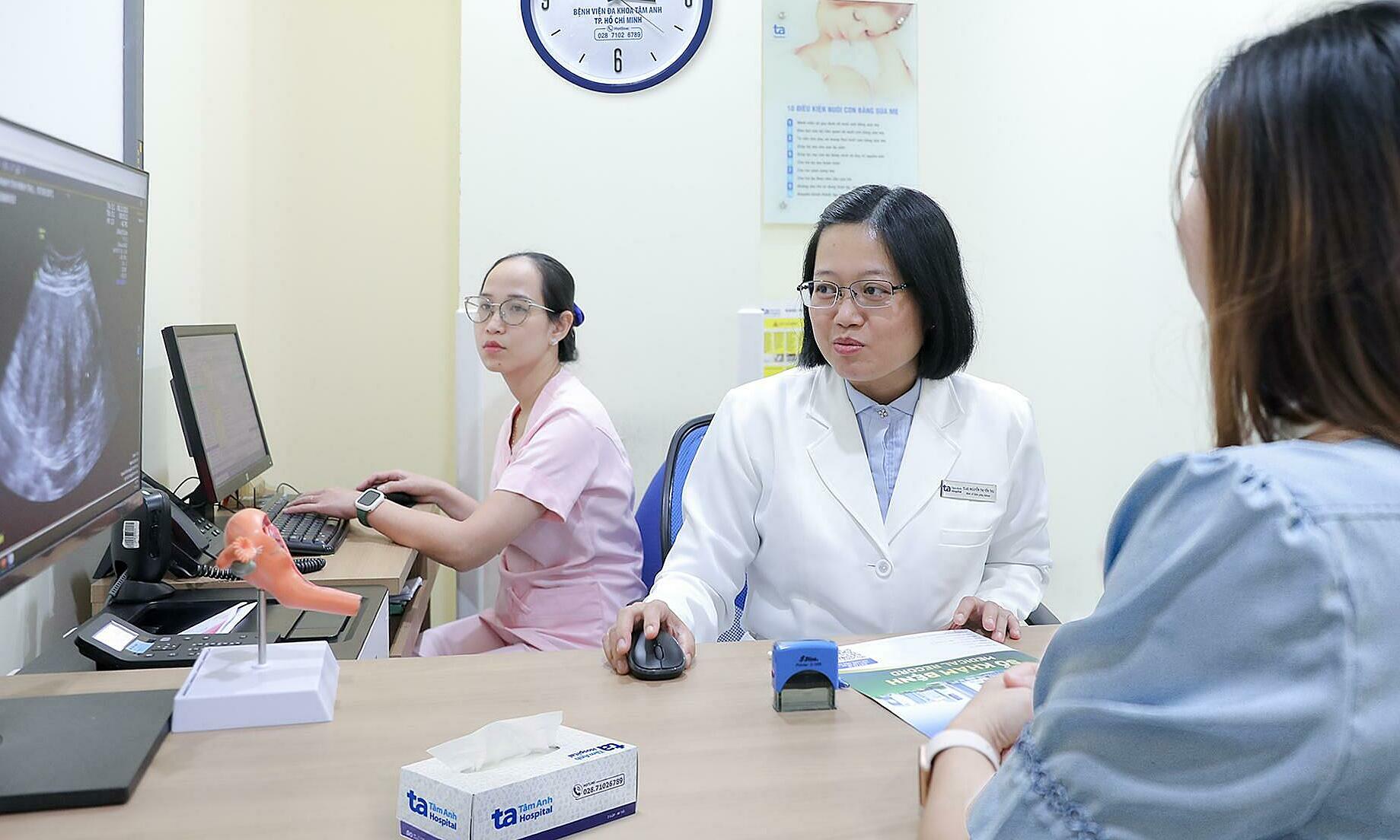
Most individuals develop long-lasting immunity after a chickenpox infection, typically preventing reinfection. However, reoccurrence is possible under specific circumstances. According to Doctor Doan Thi Khanh Cham, Medical Manager at VNVC Immunization System, common reasons for reinfection include insufficient antibody development during the initial illness, especially if contracted before six months of age, or a compromised immune system due to conditions such as human immunodeficiency virus (HIV), cancer, or the use of immunosuppressants.
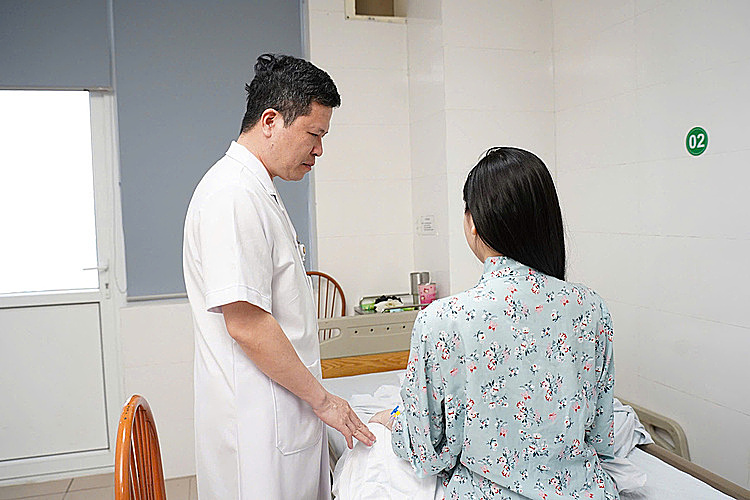
Diagnosing chickenpox can be challenging, as its characteristic rash is easily mistaken for other conditions like measles, smallpox, hand-foot-mouth disease, roseola, herpes simplex, or impetigo. Therefore, a medical examination and proper diagnosis by a doctor are crucial to confirm the illness.
Chickenpox is a highly contagious disease caused by the varicella zoster virus (VZV), primarily spreading through respiratory droplets. Statistics indicate that up to 90% of individuals without immunity will contract the illness upon exposure. The cold and humid weather conditions prevalent in Vietnam's northern provinces often facilitate the spread of respiratory pathogens, including the virus responsible for chickenpox.
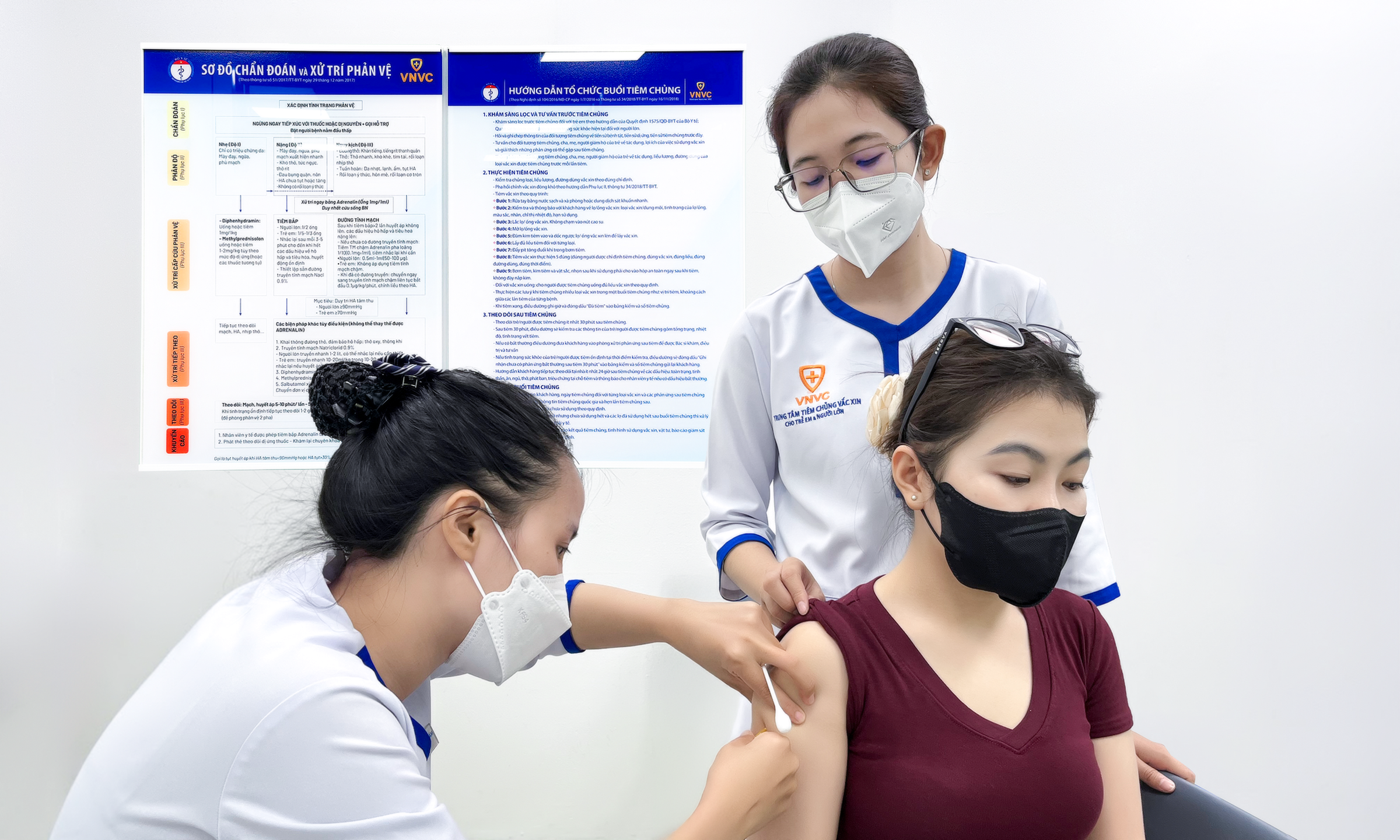 |
A woman receives a chickenpox vaccine at VNVC Cantavil (TP HCM) to prevent illness when colleagues are infected. *Photo: Dieu Thuan*.
Given the current chickenpox cases at your workplace, it is important to monitor your health closely. If you are unsure about your past infection status or have never been vaccinated, consider getting the chickenpox vaccine. Should you develop symptoms such as fever, muscle aches, sore throat, or a blistering rash, it is essential to stay home from work, isolate yourself from others, and seek early medical attention. Avoid self-medicating or attempting home treatment to prevent potential complications.
Vietnam offers two types of chickenpox vaccines: a monovalent vaccine from Belgium and the United States, and a combined vaccine from the United States that also protects against measles, mumps, and rubella. These vaccines are suitable for individuals from 9 or 12 months of age through adulthood. For someone 28 years old, the recommended schedule involves two doses administered one month apart. Completing both doses provides up to 98% protection against the disease and nearly 100% reduction in the risk of severe complications, including pneumonia, meningitis, and viral encephalitis caused by the varicella zoster virus.
Beyond vaccination, general preventive measures are important. These include wearing face masks in public, regular handwashing with soap, maintaining a nutritious diet, and ensuring a clean home environment.
Doctor Doan Thi Khanh Cham
Medical Manager, VNVC Immunization System
Readers can submit vaccine questions here.