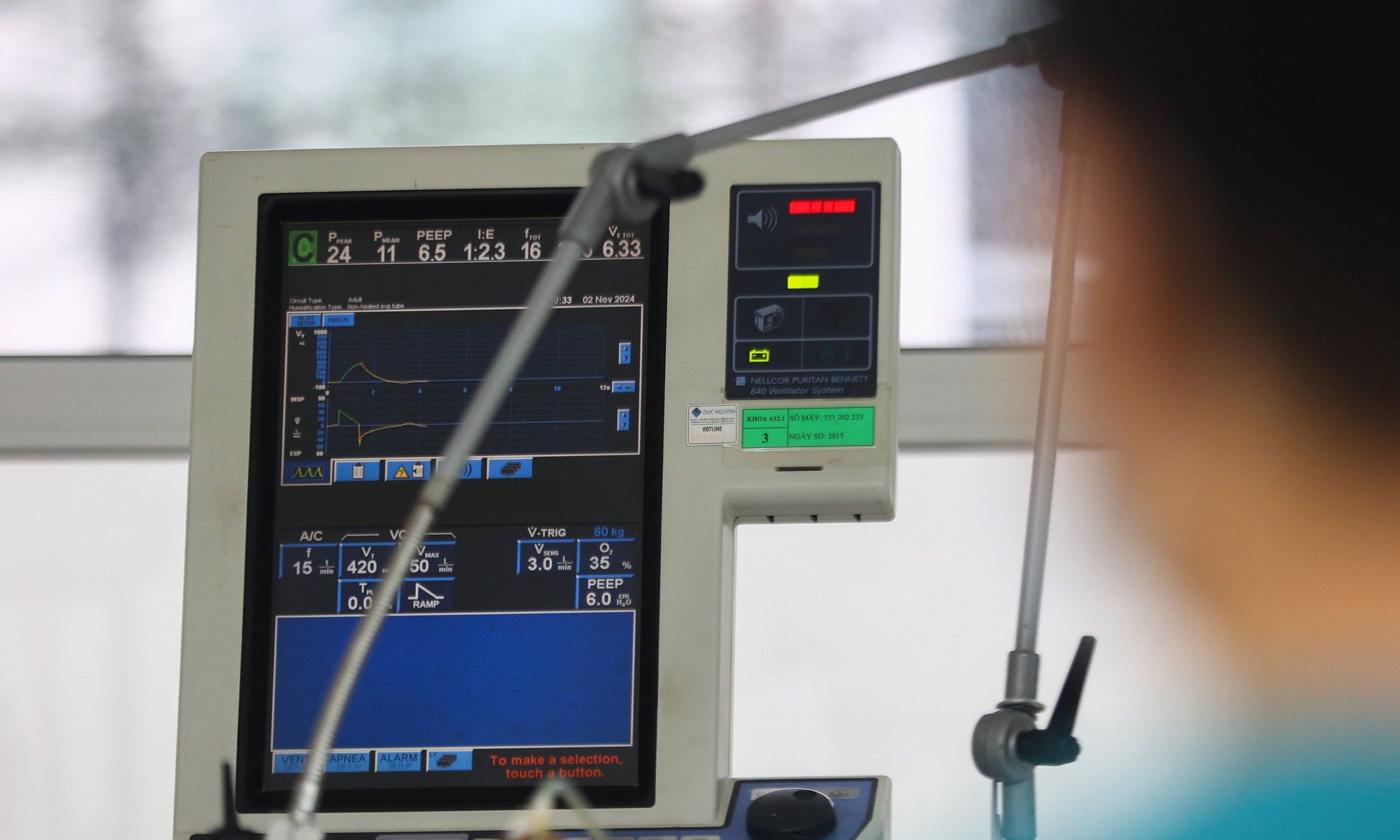
Doctor Nguyen Thi Yen Thu, from the Obstetrics and Gynecology Center at Tam Anh General Hospital Ho Chi Minh City, reported that the patient had multiple uterine fibroids. Among these, one fibroid located beneath the uterine lining caused heavy menstrual bleeding (menorrhagia) and anemia.
Previously, Ms. Loan experienced prolonged and heavy periods. Doctors performed uterine aspiration to control the bleeding, administered hormonal medication to manage the prolonged bleeding, and provided a 350 ml blood transfusion. Although the bleeding stopped for two weeks, the hemorrhage recurred. As Ms. Loan had completed her family and was approaching menopause, doctors recommended a hysterectomy for a definitive cure, explained Doctor Thu.
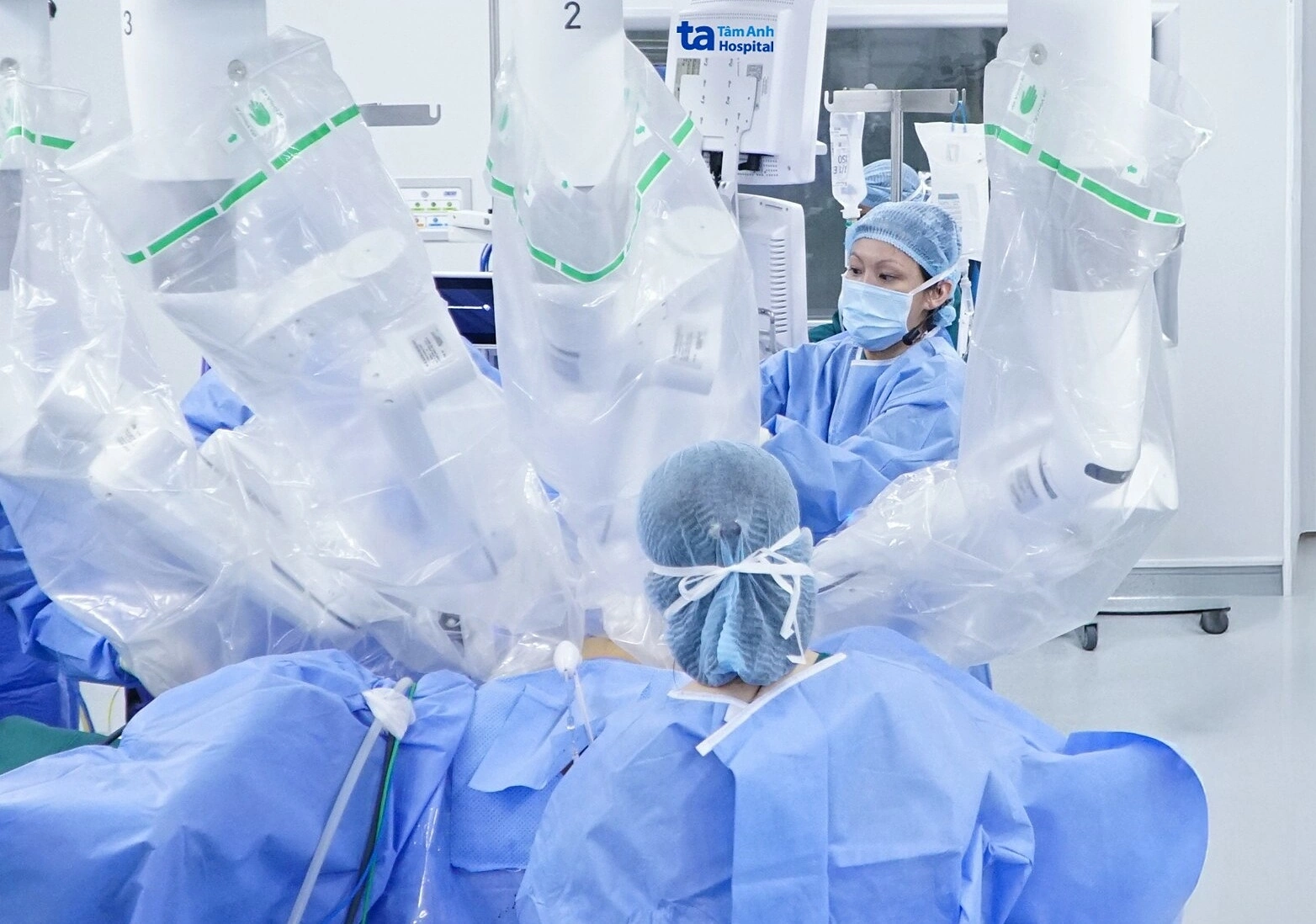 |
A doctor controls the four Da Vinci Xi robot arms to perform a hysterectomy on Ms. Loan. *Photo: Tam Anh General Hospital |
Doctor Yen Thu advised a robotic laparoscopic hysterectomy, highlighting its benefits such as being minimally invasive, reducing pain, and limiting complications. During the surgery, Specialist Doctor II Nguyen Ba My Nhi, Director of the Obstetrics and Gynecology Center, operated the four robot arms to dissect and remove Ms. Loan's uterus and two fallopian tubes. Doctors preserved Ms. Loan's two ovaries to maintain endocrine function. Robotic surgery typically results in minimal blood loss, usually between 30-50 ml, which was particularly suitable for Ms. Loan's severe anemia. The patient experienced less pain, mobilized early, and was discharged two days after the surgery.
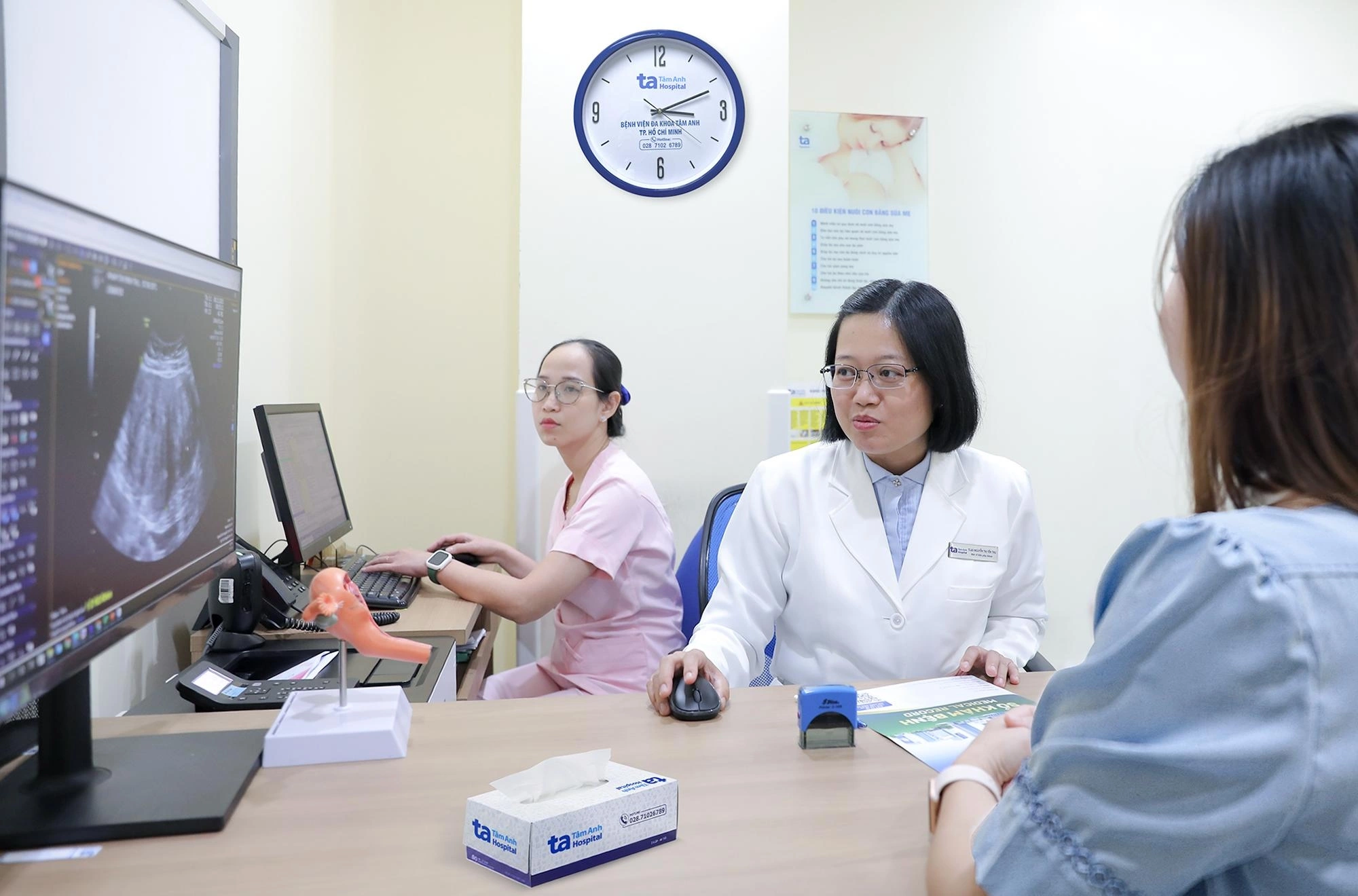 |
Doctor Thu consults with Ms. Loan regarding post-surgical check-up results. *Photo: Tam Anh General Hospital |
According to Doctor Nhi, uterine fibroids are a common condition, affecting approximately 20% of women of reproductive age. Many cases present with symptoms such as prolonged bleeding and anemia, which significantly impact their quality of life.
Doctors recommend women undergo regular gynecological check-ups to monitor the size and growth rate of any fibroids. Early medical attention is crucial if women experience prolonged bleeding, anemia, unusual abdominal pain or enlargement, or signs of fibroid compression on adjacent organs, such as urinary dysfunction or changes in bowel habits. If detected early, doctors can treat uterine fibroids effectively with minimally invasive laparoscopic surgery or robotic surgery.
Tue Diem
*Patient's name has been changed.
| Readers can send questions about obstetrics and gynecology here for doctors to answer. |