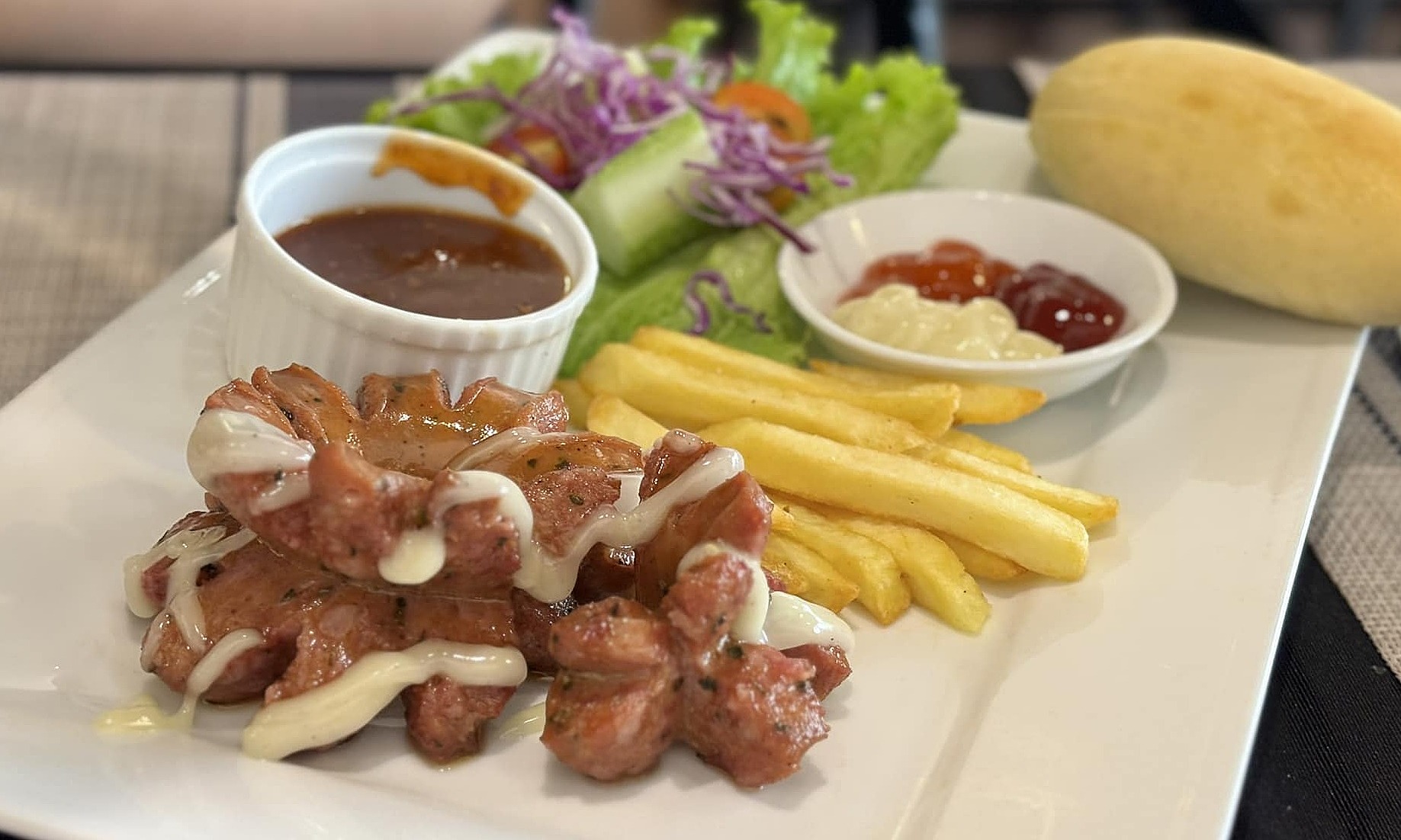
Spicy foods, while stimulating to the palate, can often lead to digestive problems. They frequently exacerbate stomach discomfort, bloating, and abdominal pain, particularly in individuals with gastroesophageal reflux disease (GERD).
The compound capsaicin, responsible for the heat in chili peppers, stimulates nerves in the mouth, tongue, and esophagus upon consumption. This substance can also slow digestion, causing food to remain in the stomach longer and increasing the risk of acid reflux. Fortunately, several simple strategies can help mitigate abdominal discomfort after enjoying a spicy meal.
One effective remedy is drinking fat-free milk. The proteins in fat-free milk help break down capsaicin, providing a soothing effect. After consuming spicy food, take small sips to calm the stomach and avoid increasing pressure on the esophagus. Conversely, full-fat or sugary milk, with their higher fat content, can worsen reflux symptoms, so individuals should limit their intake.
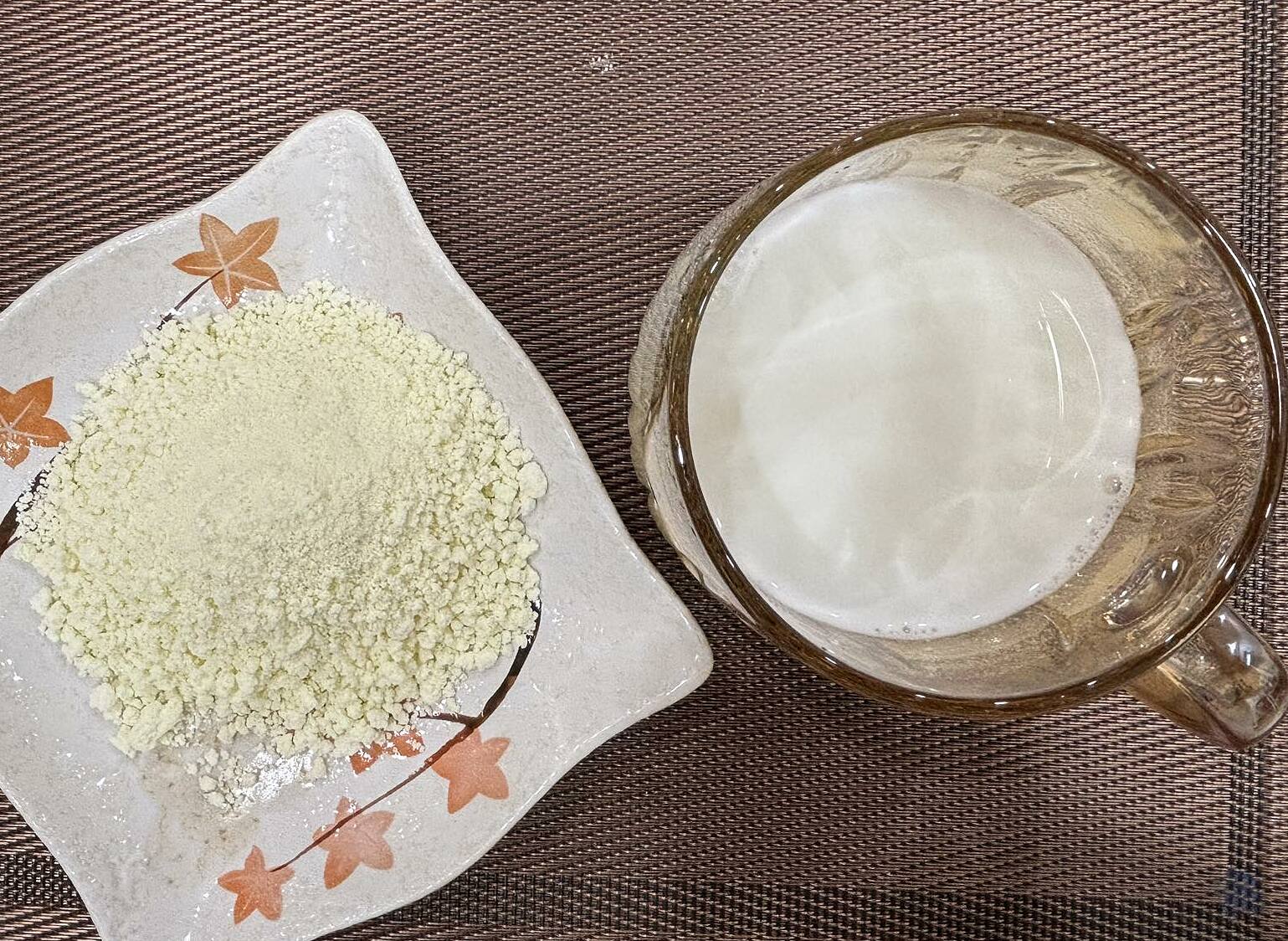 |
Fat-free milk can reduce spiciness. Photo: Anh Chi |
While water may not immediately alleviate the burning sensation in the mouth, it can dilute gastric juices and reduce stomach discomfort, thereby easing abdominal pain. However, avoid drinking excessive amounts at once, as this can lead to bloating. Opt for a cup of warm water instead of cold water to better support digestion.
Chewing sugar-free gum can also help reduce heartburn and stomach discomfort after a spicy meal. Chewing for about 30 minutes post-meal stimulates saliva production. Saliva contains bicarbonate, which helps neutralize stomach acid.
Ginger, whether consumed as candies, capsules, or tea, is beneficial for individuals experiencing abdominal pain or nausea after eating spicy food. The compounds gingerol and shogaol in ginger stimulate digestive enzymes, reduce inflammation, and help soothe the stomach. This spice is known for its ability to alleviate indigestion and bloating. When choosing ginger products, opt for low-sugar candies, and consider adding a touch of honey to ginger tea for enhanced anti-inflammatory benefits.
For those with stomach issues, engaging in light activity like gentle walking can be helpful when experiencing indigestion after spicy food. Avoid lying down immediately after eating, as this can increase pressure on the esophageal sphincter and trigger acid reflux. If abdominal pain persists despite trying these methods, it is advisable to consult a doctor for a proper examination and prescribed medication. A doctor may recommend acid-neutralizing drugs, treatments to control recurrent heartburn, and medications to protect the stomach lining.
Anh Chi (According to EveryDay Health)
| Readers can submit questions about digestive health here for doctors to answer. |