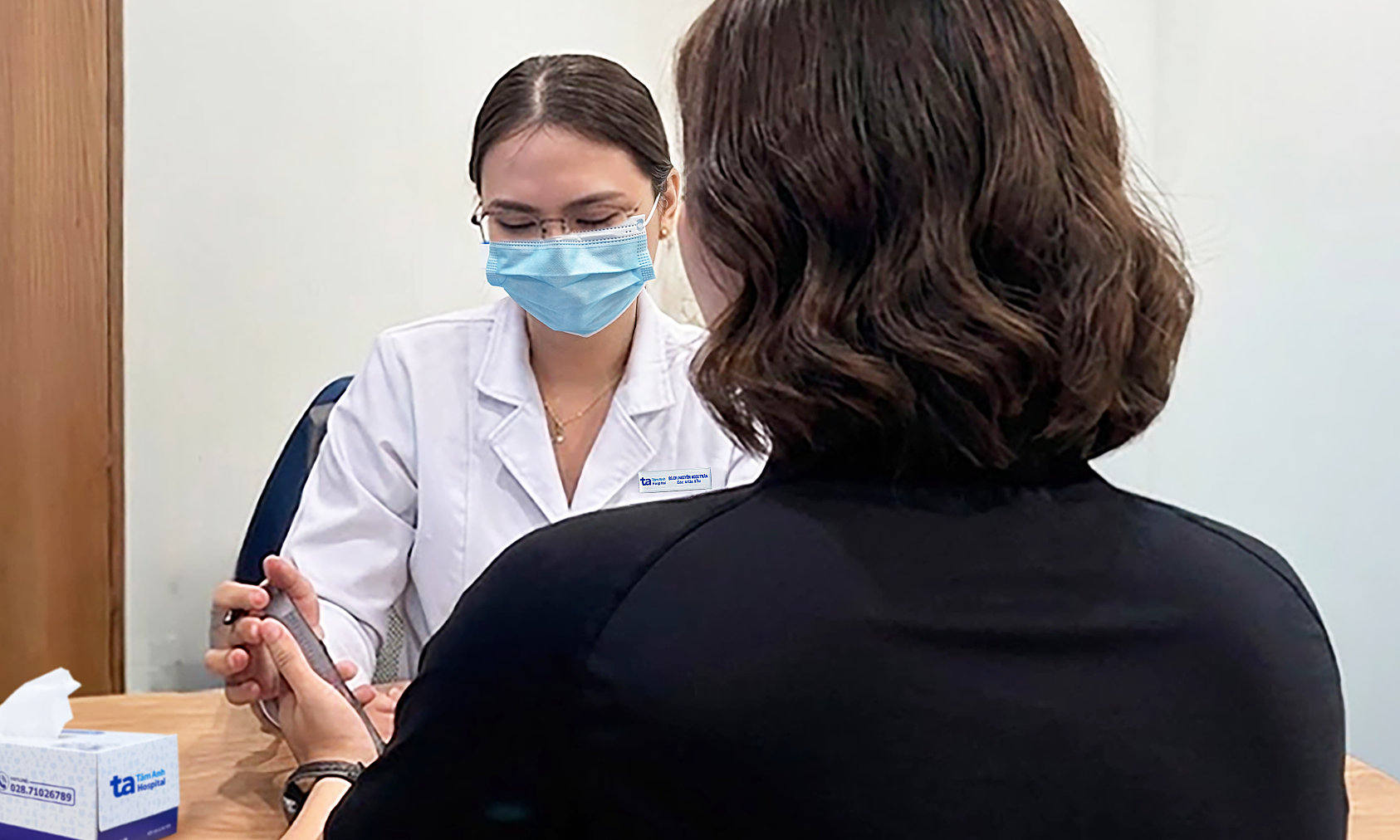
A CT scan of Ms. Hang's lungs at Tam Anh General Hospital Hanoi revealed lung parenchymal damage. A molecular biological Xpert test on her bronchial fluid confirmed the presence of tuberculosis bacteria.
Doctor Le Thi Hong Tham of the respiratory department noted Ms. Hang's condition progressed rapidly upon admission, marked by persistent hemoptysis and a clear decline in health. She received care in a private room to limit transmission risk. On the first day of treatment, her liver enzymes showed elevated AST/ALT levels of 48,1/13,3 (normal AST levels are below 40 U/L), and her blood uric acid was 1,5 times the normal level for women. These abnormalities increased her risk of liver toxicity and acute arthritis, prompting doctors to adjust her treatment protocol.
Doctors suspected some anti-tuberculosis drugs were causing toxicity, so they temporarily stopped them and closely monitored her liver enzymes and uric acid levels. Once these indicators stabilized, she resumed anti-tuberculosis medication and received close clinical monitoring. This approach maintained treatment effectiveness and rapidly reduced her symptoms.
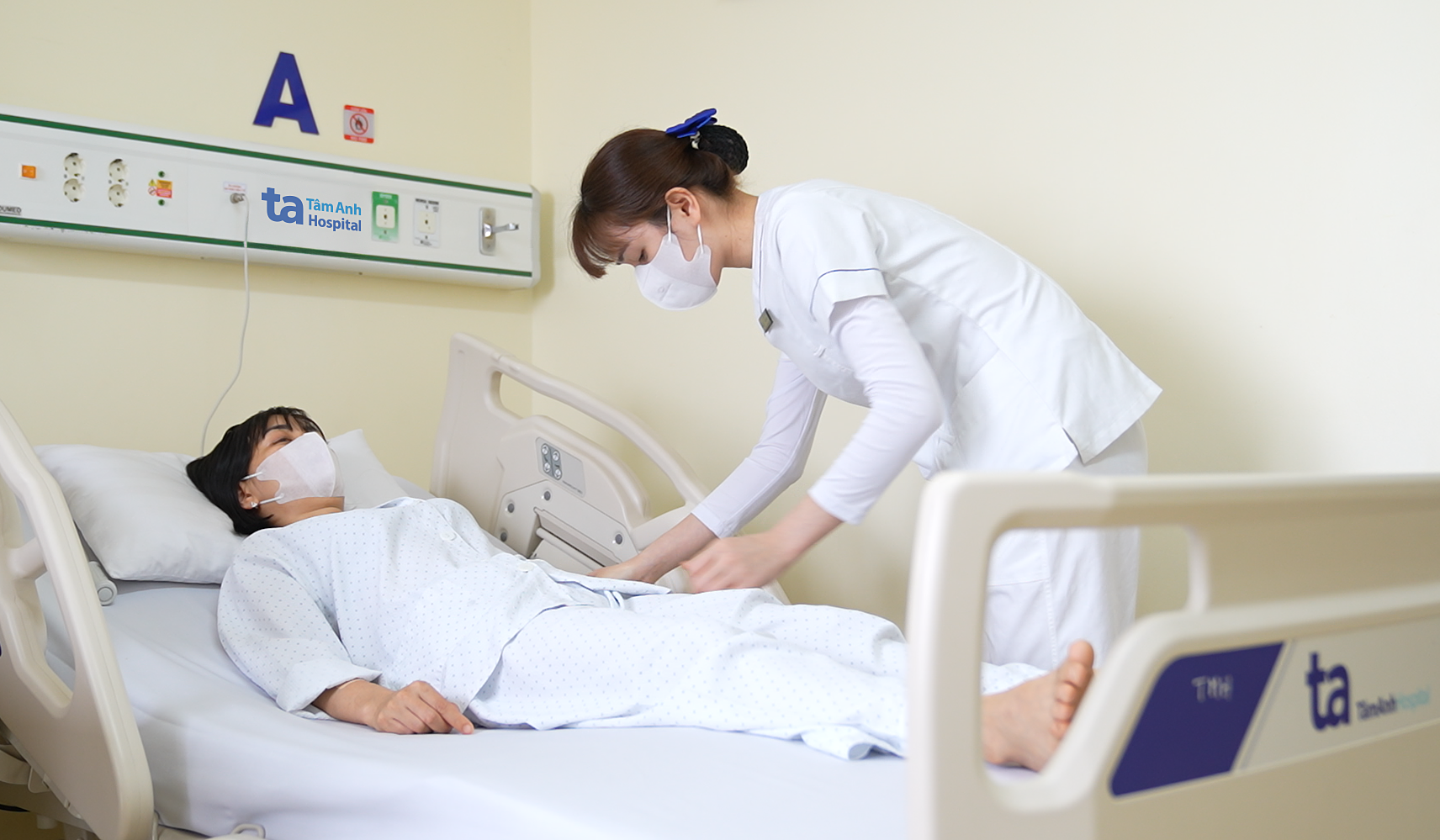 |
Ms. Hang undergoing tuberculosis treatment in the respiratory department. Photo: Tam Anh General Hospital |
Following a period of treatment, Ms. Hang no longer coughed up blood, her phlegm decreased, inflammation markers dropped, and liver function stabilized. She was discharged from the hospital and continued outpatient treatment according to her protocol.
Pulmonary tuberculosis can spread through the respiratory tract when an infected person coughs, sneezes, or talks. Without timely detection and treatment, tuberculosis can cause severe lung damage, respiratory failure, malnutrition, spread to other organs, and even become life-threatening. However, not all cases present with typical symptoms such as fever, weight loss, or difficulty breathing.
Individuals experiencing symptoms like a cough lasting over two weeks, coughing up blood, phlegm production, or unusual weight loss should seek early examination at a medical facility with a respiratory specialty for accurate diagnosis. Timely detection and treatment of pulmonary tuberculosis improve prognosis and limit the risk of community transmission.
Thu Giang
*Patient's name has been changed
| Readers can submit questions about respiratory illnesses here for doctors to answer. |