Brown rice retains its bran layer, which is rich in nutrients such as: vitamin b1, b2, b3, b6, b9 (folate), fiber, magnesium, iron, selenium, manganese, and calcium. A cup of cooked brown rice provides 248 calories, 52 g of carbohydrates, 3,2 g of fiber, 2 g of fat, and 5,5 g of protein.
The high manganese content in brown rice is vital for numerous bodily processes, including bone development, wound healing, muscle contraction metabolism, nerve function, and blood sugar regulation. Brown rice also contains antioxidants, which help protect the body from stress and prevent cancer and aging.
The fiber-rich bran layer of brown rice slows sugar absorption, helping to control blood sugar levels and reduce the risk of diabetes. Alpha lipoic acid, abundant in brown rice, also plays a role in carbohydrate and fat metabolism, reducing stored fat. Brown rice contains twice the fiber of white rice, leading to slower digestion. This promotes a feeling of fullness for longer, curbs snack cravings, and effectively supports weight loss.
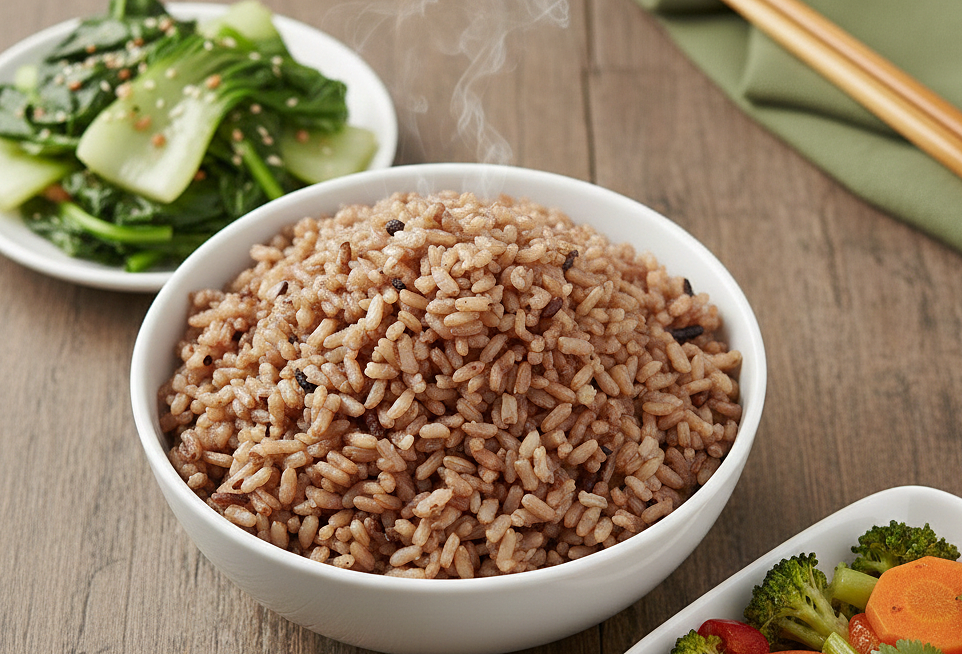 |
Eating too much brown rice can still lead to weight gain. *Image created by AI*
Some individuals gain weight while eating brown rice because they do not control their calorie intake, often consuming three to four bowls of brown rice per meal, equivalent to 1,500 calories. You should advise your mother to eat brown rice two to three times per week, alternating it with other foods to support weight loss. When eating, it is important to chew thoroughly before swallowing to avoid indigestion and bloating. Elderly individuals and pregnant women, who need to nourish their health, should not consume brown rice regularly. Your mother should consult a doctor for personalized dietary advice to achieve effective weight loss.
Nutritionist Hoang Dao Ngoc Lan
Endocrinology and Diabetes Unit
Tam Anh General Clinic, District 7
| Readers can submit questions about endocrine diseases here for a doctor's response. |