For individuals undergoing breast cancer treatment, consuming grapefruit, particularly its juice, can pose risks due to its interaction with various medications. Grapefruit contains furanocoumarin, an active compound capable of inhibiting the CYP3A4 enzyme. This enzyme is vital for the metabolism and elimination of many breast cancer drugs within the small intestine and liver. When CYP3A4 is inhibited, drug levels in the bloodstream can become elevated, potentially leading to heightened side effects or drug toxicity.
While grapefruit is known for its nutritional benefits, being rich in vitamin C, fiber, and antioxidants that support the immune system and aid digestion, its interaction with cancer medications warrants caution. This fruit is often consumed during holidays.
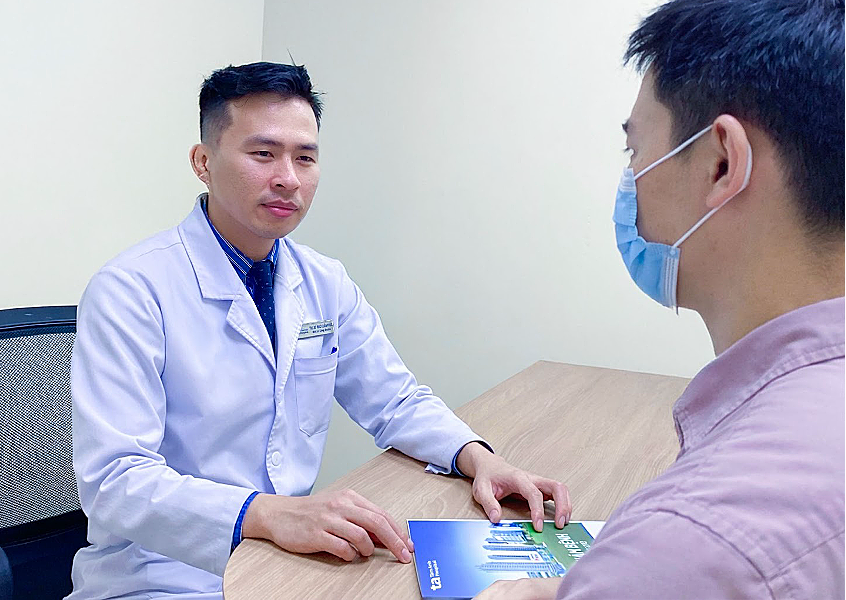 |
Doctor Phuc advises a patient. Illustrative photo: Tam Anh General Hospital
Patients on hormone therapy who regularly consume grapefruit may experience increased drug concentrations in their bodies. This can result in unwanted effects such as: hot flashes, joint pain, fatigue, or a more pronounced risk of osteoporosis. For those undergoing targeted therapy, grapefruit can disrupt drug metabolism, thereby increasing toxicity. In some cases, it may adversely affect bone marrow, leading to reduced white blood cells, a condition known as leukopenia.
However, not all breast cancer patients need to avoid grapefruit entirely. If a patient is undergoing only chemotherapy or radiation therapy, and their treatment regimen does not include drugs metabolized by the CYP3A4 enzyme, moderate consumption of grapefruit may be acceptable. It is also important to note that grapefruit can interact with certain sedatives and cardiovascular medications, potentially increasing the burden on the liver.
The specific treatment method you are currently undergoing has not been clarified. However, if you are receiving hormone therapy or targeted therapy, it is advisable to avoid grapefruit. It is crucial to discuss your dietary choices with your treating physician to ensure they align with your personalized treatment plan, optimize its effectiveness, and improve your overall quality of life.
Master, Doctor, Level I Specialist Ngo Tuan Phuc
Department of Oncology
Oncology Center
Tam Anh General Hospital TP HCM
| Readers can submit questions about cancer here for doctors to provide answers. |