Response:
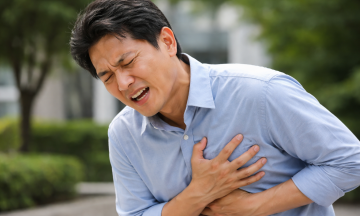
The symptoms you describe, such as chest tightness and shortness of breath after exertion or heavy drinking, combined with a history of high blood pressure, are warning signs that your cardiovascular system is at high risk of a heart attack.
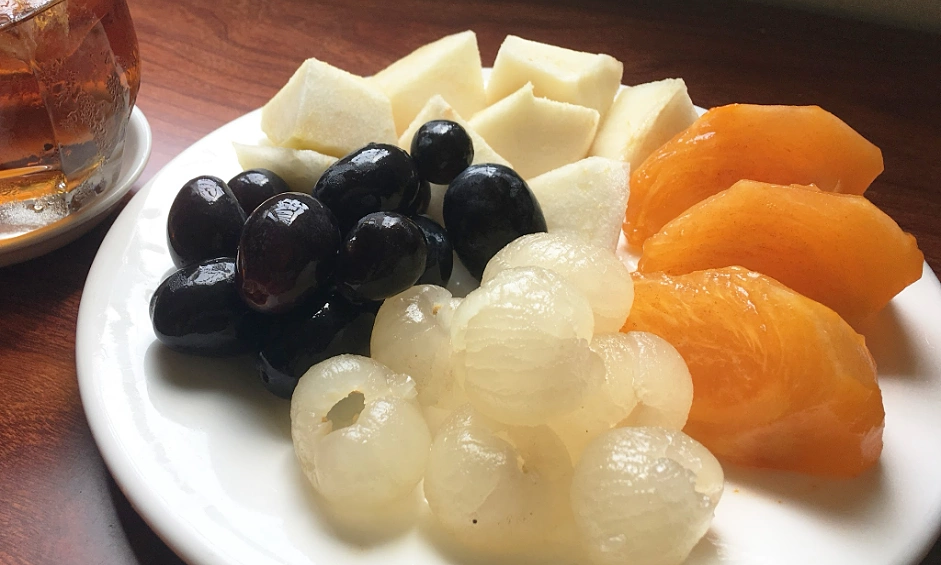
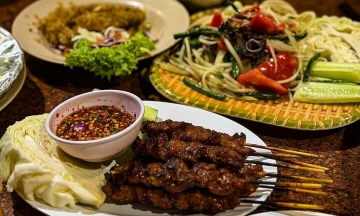
During Tet, the number of patients hospitalized for acute cardiovascular events tends to increase due to multiple converging risk factors. A common reason stems from an imbalanced diet during this period. Over the Tet holidays, consuming foods high in salt (pickled vegetables, seasoned nuts, packaged foods) and fats from traditional dishes (braised pork with eggs, braised fish, stewed meat) can easily elevate blood pressure.
Excessive alcohol consumption at parties stimulates the nervous system, causing the heart to beat faster and increasing the heart muscle's oxygen demand. For individuals with existing atherosclerotic plaques in their blood vessels, increased blood flow pressure can easily rupture these plaques, forming blood clots that suddenly block coronary arteries, leading to a heart attack.
 |
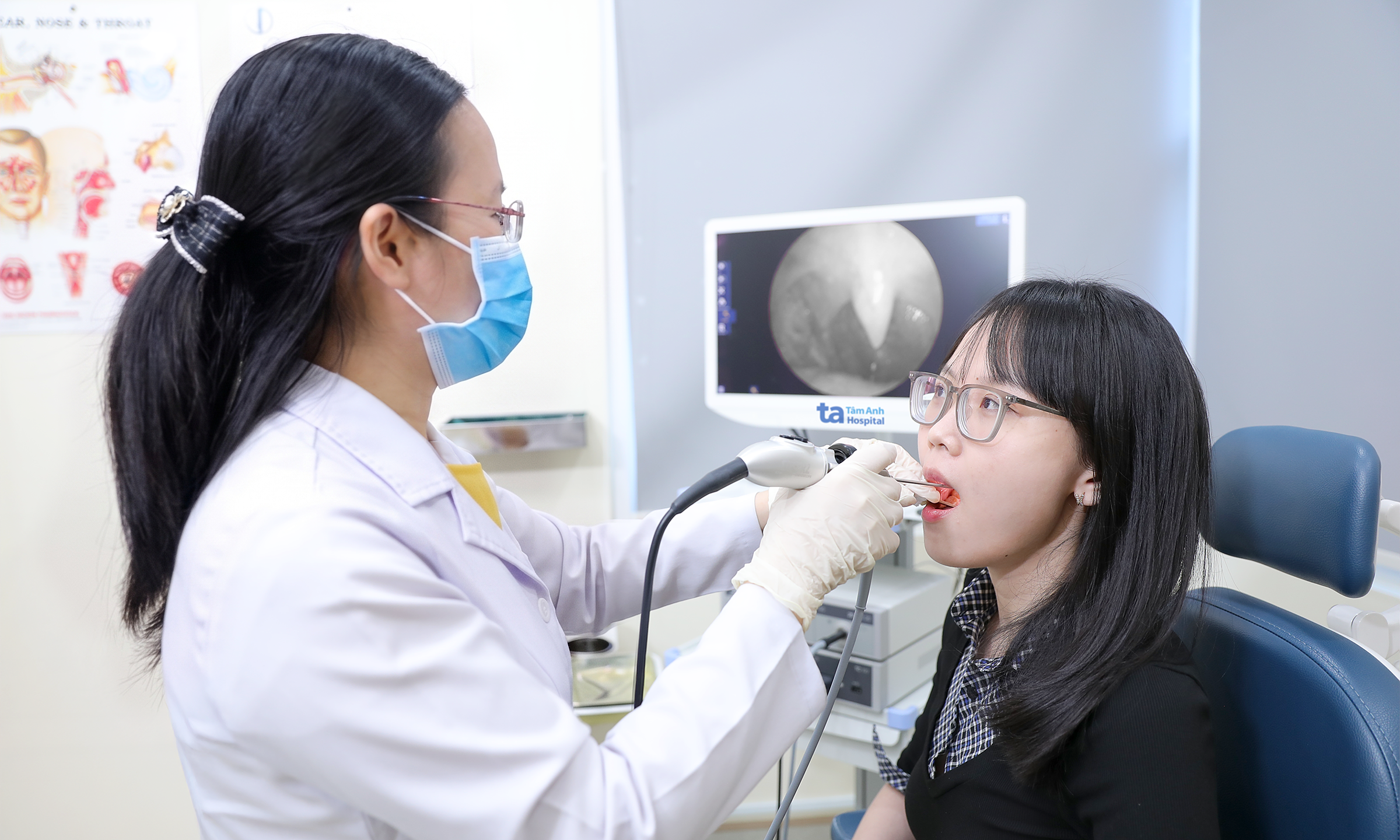
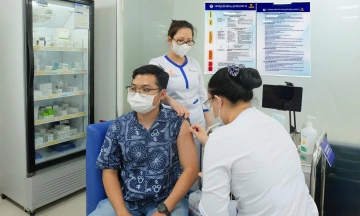
Doctor Duong examines a patient. *Photo: Tam Anh General Hospital* |
Disrupted daily routines also contribute to heart attacks. Staying up late and lacking sleep during Tet leads to the body releasing more stress hormones like adrenaline and cortisol. These hormones constrict blood vessels, increase blood viscosity, and create conditions favorable for clot formation. In regions with cold climates, sudden temperature changes between indoors and outdoors also cause blood vessels to constrict, elevating blood pressure and increasing the heart's workload.
Another risk factor is patient complacency. Many individuals, due to Tet festivities, delay seeking medical attention for unusual symptoms or arbitrarily stop taking medication for high blood pressure, high cholesterol, and other conditions. This reduces vascular protection, allowing cardiovascular events to easily erupt and become difficult to control.
To protect their health, everyone must strictly adhere to their treatment regimen, taking medication on time and at the correct dosage, even during busy periods. At parties or family meals, individuals should control their intake of protein and salt. Prioritize green vegetables and drink enough plain water (two liters daily) to aid detoxification. When moving about in cold weather, it is essential to keep the neck, chest, and head warm.
If chest pain lasts longer than 15 minutes, spreads to the jaw or left arm, and is accompanied by sweating, individuals should immediately go to a medical facility with a cardiology department for timely emergency care to avoid complications.
Doctor Nguyen Van Duong
Interventional Cardiology Center
Tam Anh General Hospital, TP HCM
| Readers can submit heart-related questions here for a doctor's response |