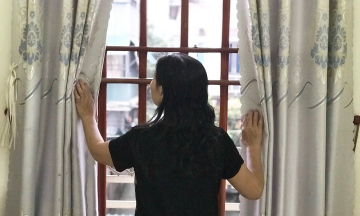
For individuals experiencing difficulty sleeping and elevated blood pressure at night, such as Thu Hoai, the body's normal circadian rhythm of blood pressure changes during sleep may be disrupted. This can indicate a dysregulation of the autonomic nervous system, which is often linked to various sleep disorders.
Normally, blood pressure decreases as the body transitions from wakefulness to sleep. A healthy reduction sees average systolic and diastolic blood pressure drop by approximately 10-20% compared to daytime levels. If this decrease is less than 10%, it is termed non-dipping. Conversely, blood pressure tends to rise again towards morning as the body prepares for wakefulness, a normal physiological process of the day-night blood pressure rhythm.
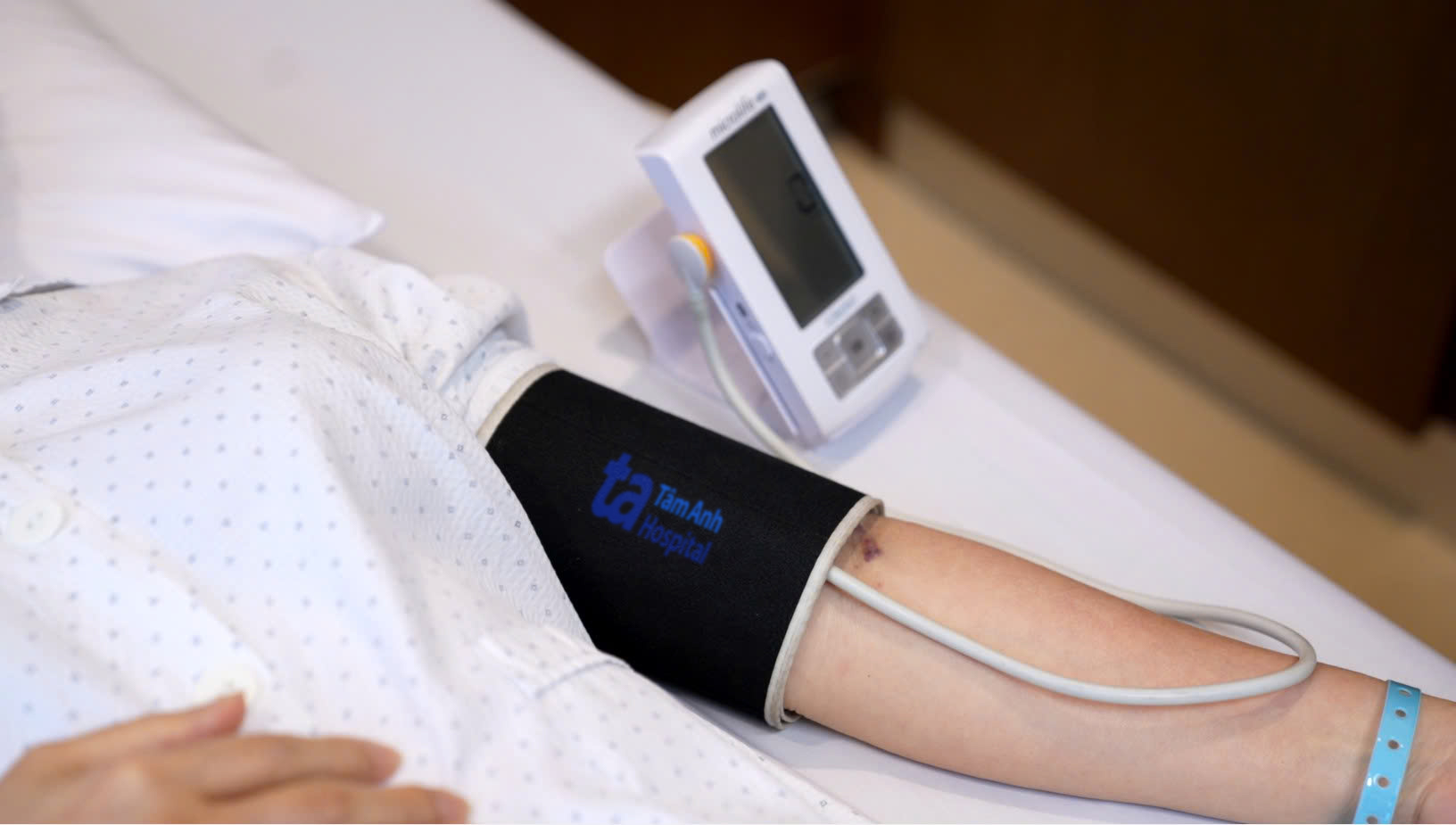 |
Regularly monitor blood pressure to proactively manage health. *Photo: Tam Anh General Hospital* |
However, some individuals experience non-dipping, where nighttime blood pressure does not sufficiently decrease, or even reverse dipping, where it becomes higher than daytime levels. This can occur in people with hypertension, kidney disease, diabetes, sleep apnea, autonomic neuropathy, and older adults.
The sympathetic nervous system is crucial for maintaining alertness, increasing heart rate and strength, and constricting blood vessels to sustain blood pressure. During sleep, sympathetic activity should diminish, allowing the body to enter a resting state and blood pressure to lower. If the sympathetic nervous system remains highly active, nighttime blood pressure reduction is impaired, leading to unstable and disrupted sleep.
Conversely, insomnia can also make it difficult for blood pressure to decrease. Restless sleep, shallow sleep, or frequent awakenings can sustain a state of hyperarousal, prolonging sympathetic activity and stress responses. This creates a vicious cycle: disordered blood pressure leads to poor sleep, which in turn makes blood pressure difficult to stabilize.
It is important to note that not all insomnia is solely caused by blood pressure. Conditions such as loud snoring, sleep apnea, stress, alcohol, tobacco, caffeine, and various other medical conditions can also increase sympathetic activity, affecting both sleep and blood pressure.
To maintain stable blood pressure, you should adhere to a suitable diet, reduce salt intake, exercise regularly, limit stress, avoid alcohol and tobacco, and follow prescribed treatments. Additionally, ensure you get sufficient and regular sleep, and keep your sleeping environment quiet. Supplementing with GDL-5 (policosanol) extract from South American sugarcane powder may help regulate blood pressure and reduce the risk of cardiovascular disease.
Master, Doctor Doan Vinh Binh
Medical Information Center
Tam Anh General Hospital, TP HCM
| Readers can submit questions about cardiovascular disease here for a doctor's response. |