Cancer is among the leading causes of death, making dietary and lifestyle adjustments particularly important. According to nutritionist Liu Ya Hui from Taiwan, daily life harbors many cancer risks that we unknowingly encounter.
On her personal page, Liu Ya Hui highlighted five common risk factors:
Aflatoxin toxins from nuts and grains
Many believe carcinogens are distant, but they are often present in our kitchens.
Aflatoxin toxins often arise from improperly stored peanuts, nuts, or grains. These foods should ideally be consumed within one week after opening the packaging.
If food shows signs of mold, never simply remove the moldy portion and consume the rest, as Aflatoxin toxins can spread throughout the entire product. The only safe approach is to discard the entire product.
Processed meats
Foods like sausages, bacon, hot dogs, and ham are classified as group 1 carcinogens.
Consuming 50 g of processed meat daily can increase the risk of colorectal cancer by up to 18%. The expert advises against consuming these foods daily.
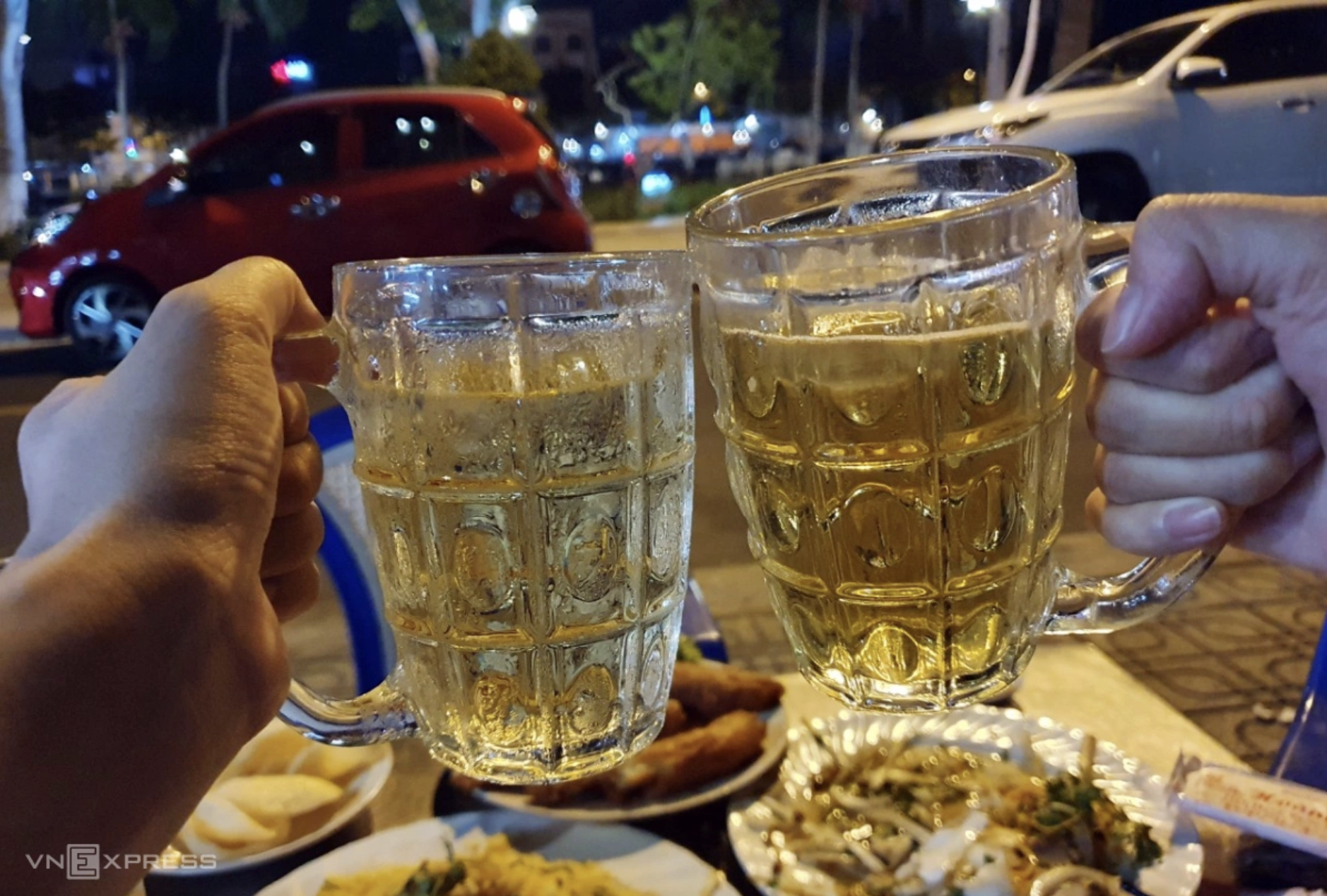 |
Alcohol is a confirmed group 1 carcinogen. *Thu Anh* |
Alcoholic beverages
Alcohol is a confirmed group 1 carcinogen directly linked to seven types of cancer: oral cavity cancer, pharyngeal cancer, esophageal cancer, liver cancer, colon cancer, rectal cancer, and breast cancer.
The more one drinks, the higher the risk of related cancers. Individuals who easily flush after drinking alcohol due to a deficiency in acetaldehyde metabolizing enzymes face a higher cancer risk.
Consuming overly hot foods or drinks (above 65 degrees Celsius)
Those who prefer very hot beverages need to be particularly cautious. Consuming liquids above 65 degrees Celsius continuously irritates and damages the esophageal lining, increasing the risk of esophageal cancer.
Tobacco smoke
Smoking, inhaling secondhand smoke, or exposure to thirdhand smoke are all group 1 carcinogens. Tobacco smoke contains over 7,000 chemical compounds, with 93 identified as carcinogens. Consequently, not only smokers, but also those exposed to secondhand smoke or residual substances in living spaces, face serious health impacts.
Liu Ya Hui emphasized that the concern is not immediate cancer from a single exposure, but rather the cumulative effect of repeated daily habits over time.
"Maintaining health does not mean total abstinence from everything", she shared, "but rather understanding where risks lie to proactively minimize and limit them."
*My Y (According to Yahoo TW)*