Mr. Minh smoked for 20 years, quitting in 2016. His recent computed tomography (CT) scan of the right lung revealed two adjacent nodules measuring 16x10 mm and 12x10 mm, classified as lung-RADS 4X. Doctor Vu Huu Khiem, Head of Oncology Department at Tam Anh General Hospital Hanoi, explained that 4X is the highest classification in the lung-RADS system, indicating abnormal imaging characteristics and a very high risk of malignancy.
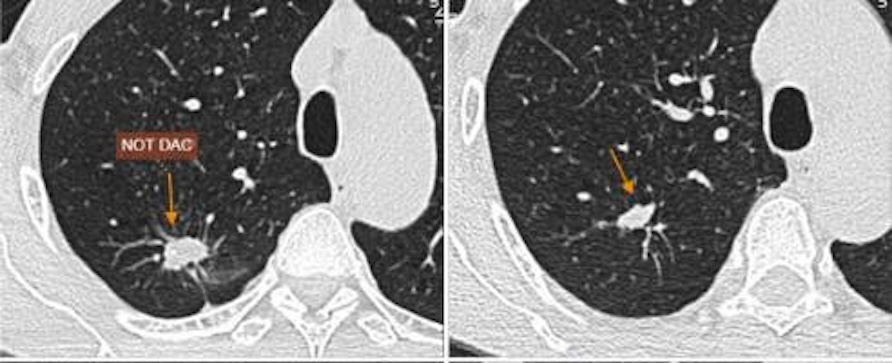 |
Mr. Minh's two high-risk solid nodules on a computed tomography scan. Photo: Tam Anh General Hospital |
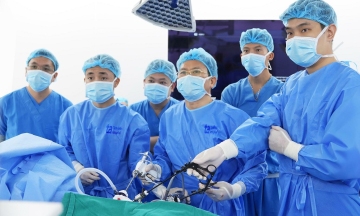
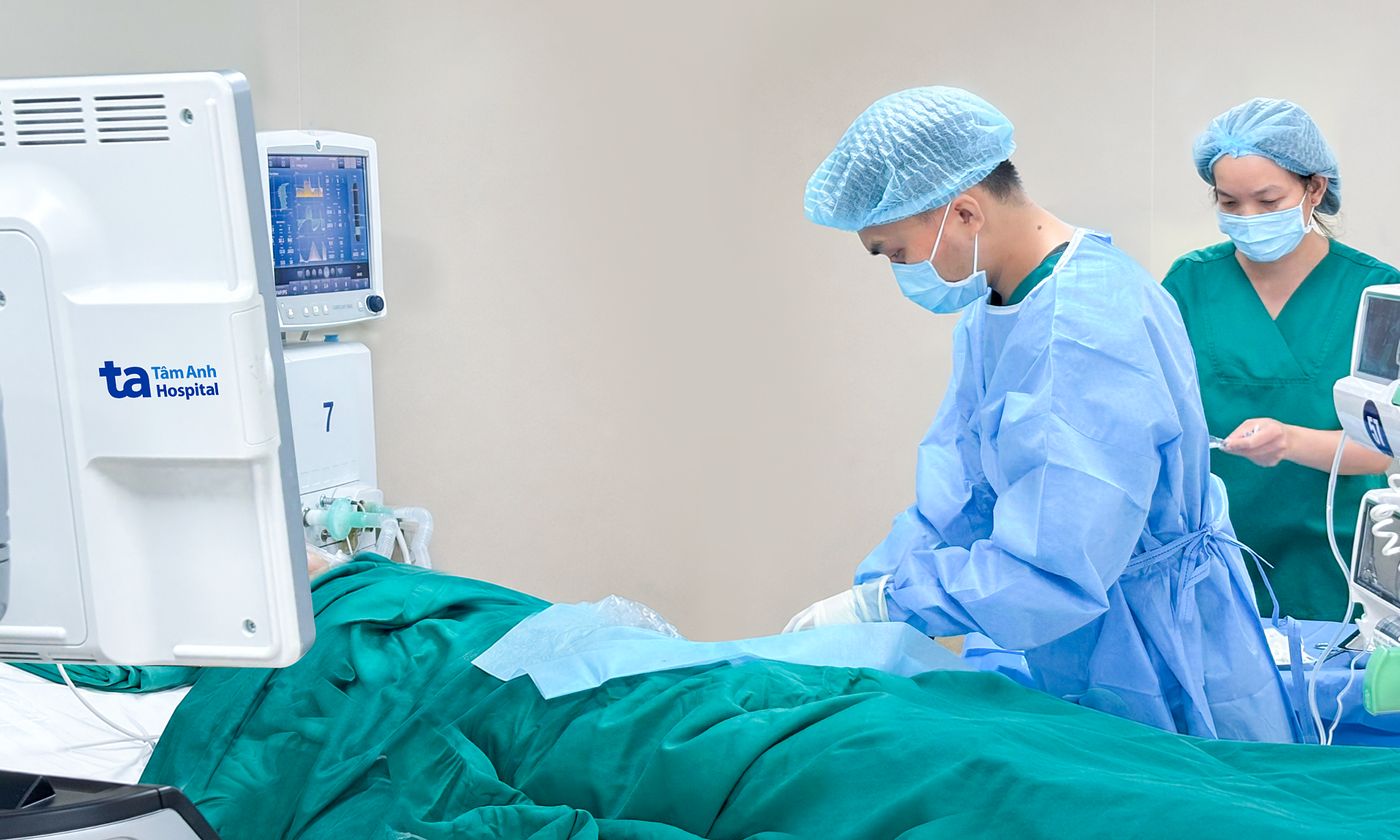
Surgeons performed an endoscopic resection of a portion of the right upper lung lobe containing the lesions for immediate biopsy. Thirty minutes later, results confirmed both nodules were invasive non-small cell lung cancer. The surgical team then proceeded with a wider resection of the entire right upper lung lobe and regional lymph node dissection.
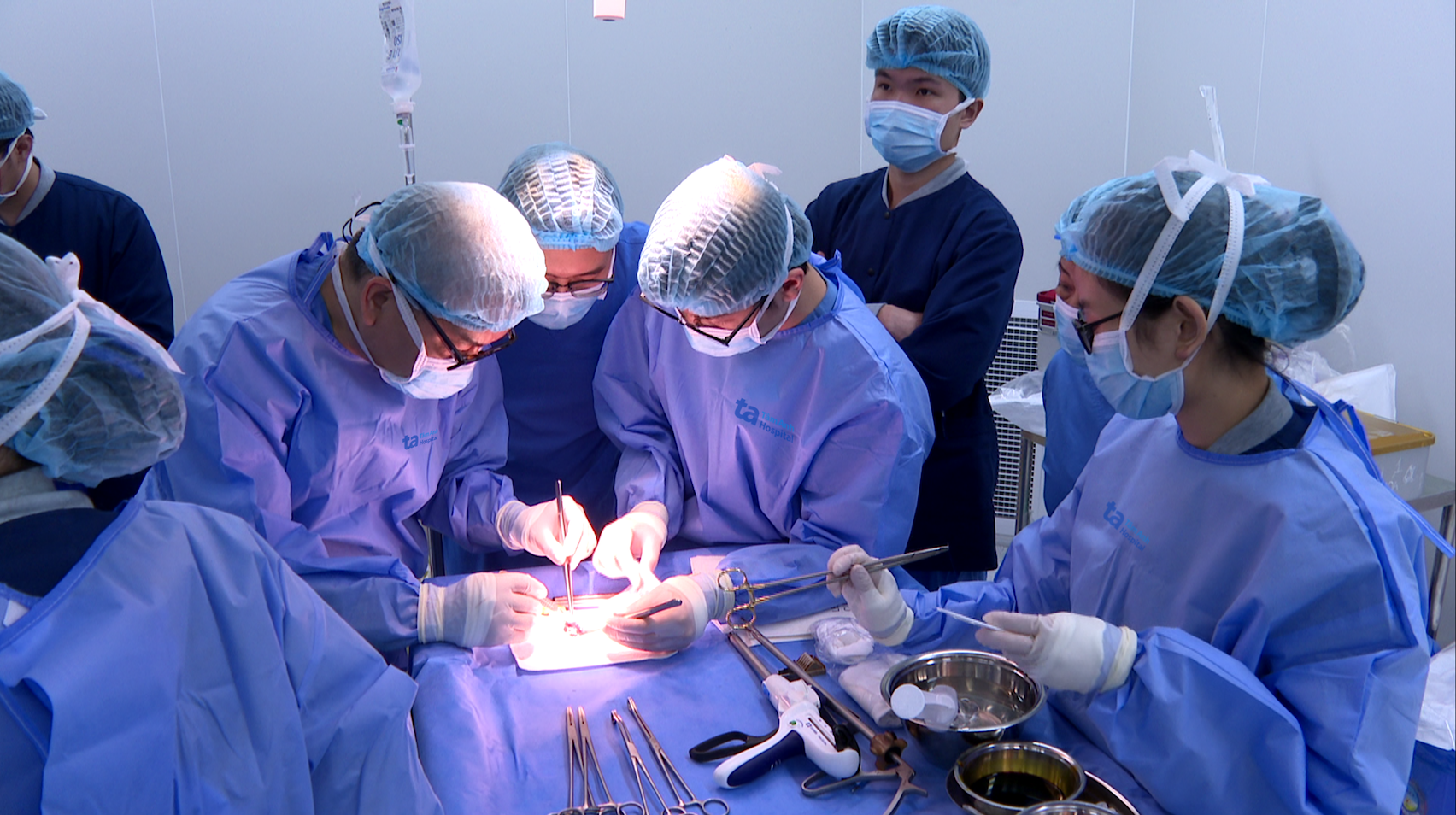 |
Surgeons performing a lung nodule biopsy via thoracoscopy. Photo: Tam Anh General Hospital |
Subsequent histopathology and immunohistochemistry tests revealed Mr. Minh had invasive non-mucinous adenocarcinoma grade 3 (pt3 pN1), with metastasis to the bronchial lymph nodes. He was prescribed adjuvant chemotherapy combined with immunotherapy post-surgery.
According to the U.S. Centers for Disease Control and Prevention (CDC), smokers face an approximately 15-30 times higher risk of developing or dying from lung cancer compared to non-smokers. This highlights the severe, long-term impact of tobacco use.
Doctor Khiem advises smokers to quit early, as the harmful effects of tobacco accumulate over a long time in the body. After 5 years of quitting, the risk of oral, throat, and laryngeal cancers is halved as damaged tissues heal and chronic inflammation decreases. Quitting smoking for over 10 years can reduce lung cancer risk by 50%. Even after 20 years of abstinence, cancer risk, while significantly reduced, remains higher than for those who have never smoked.
Individuals over 50 who currently smoke or have a history of smoking, or those who smoked for many years and quit within the last 15 years, should undergo regular health check-ups for lung cancer screening as advised by a doctor. If imaging shows abnormalities, a doctor may order additional necessary diagnostic tests for accurate results.
Hieu Nguyen
| Readers can submit questions about cancer here for doctors to answer. |