Postpartum skin darkening and melasma in women are caused by fluctuations in the hormones estrogen and progesterone during pregnancy and breastfeeding. These hormonal changes affect melanocytes, increasing melanin production, which leads to darkened skin and melasma.
To improve this condition, postpartum women should maintain a varied diet rich in essential nutrients suitable for both mother and baby.
During this period, women need about 115-120 mg of vitamin C daily, equivalent to one orange or one-half guava. Postpartum women also require about 19 mg of vitamin E and 25-30 g of good fats each day. This nutritional intake can be met by incorporating diverse foods, such as eating 15-30 g of nuts or half an avocado daily, along with two to three salmon meals weekly, and using olive oil in cooking.
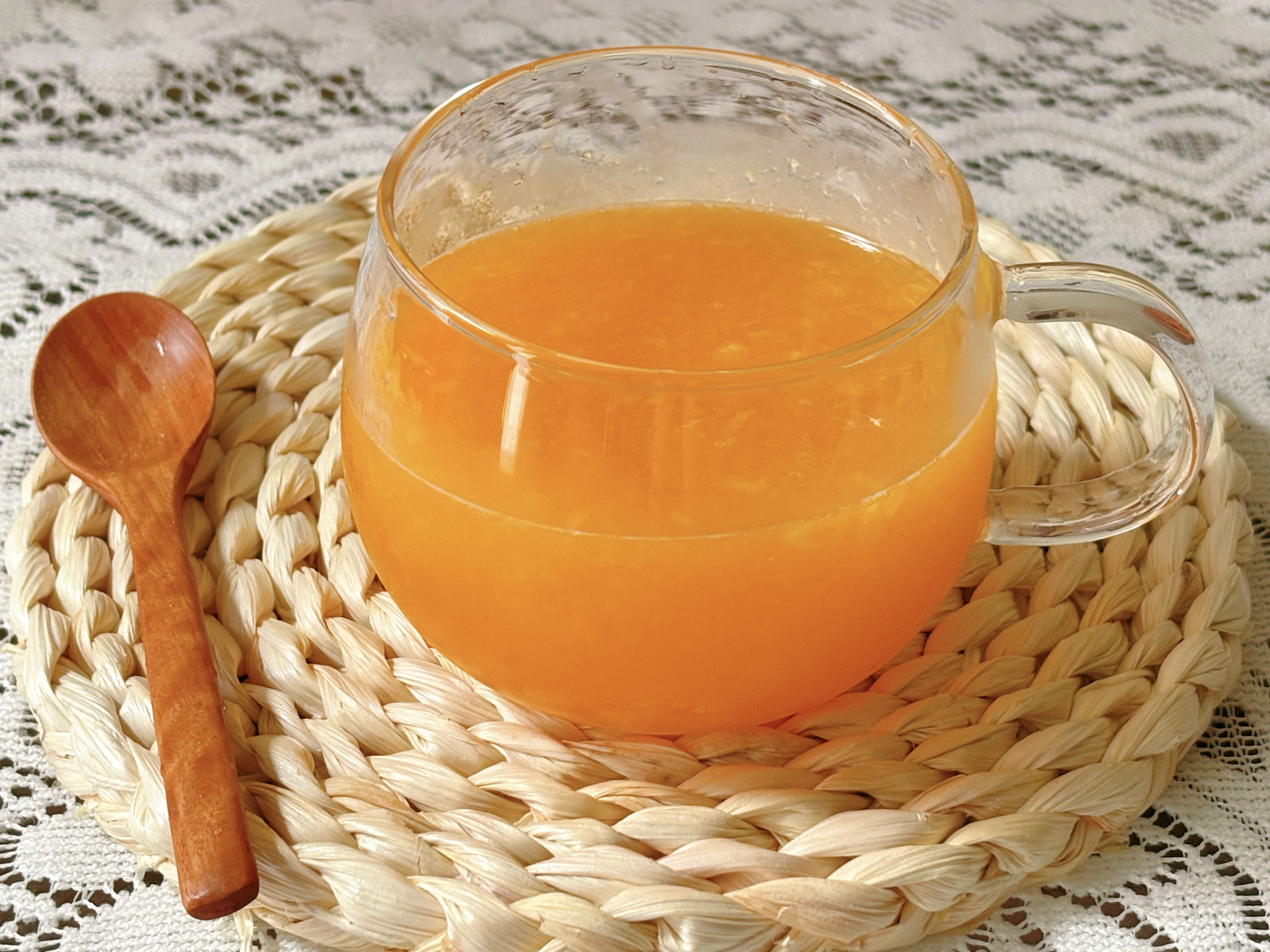 |
Orange juice, rich in vitamin C, benefits skin health. Photo: Bao Bao |
For foods rich in beta-carotene, such as carrots and pumpkin, women should consume three to four meals a week to avoid benign carotenemia caused by pigment accumulation. Ensure a daily intake of about 70-80 g of protein from lean meat, eggs, and tofu, combined with one to two cups of unsweetened yogurt to support digestive health.
Dietary changes often take time to show effects and should be combined with scientific skincare practices. A mother's body needs ample water to produce milk. Dehydration can lead to dry skin, making darkened areas more prominent.
Maintain a daily intake of about 2,5-3 liters of water, including filtered water, soup, and low-sugar fruit juice. Use sunscreen safe for breastfeeding women when outdoors or exposed to blue light from electronic devices.
Postpartum women should ensure adequate rest, sufficient sleep, and stress reduction to control cortisol levels, which can stimulate melanocytes to be more active.
Master, Doctor Nguyen Anh Duy Tung
Department of Nutrition - Dietetics
Tam Anh General Clinic Ho Chi Minh City
| Readers can submit nutrition questions here for a doctor's answer. |