Kidney cancer can recur after surgical removal of the tumor. This happens when cancer cells remain or have already metastasized to other organs before surgery, undetected by conventional imaging methods. Over time, these malignant cells proliferate, grow sufficiently, and manifest as new tumors.
Kidney cancer recurrence typically presents in two forms: local or regional recurrence, where the tumor reappears in the remaining kidney tissue or nearby abdominal lymph nodes. The second is distant recurrence, occurring when cancer cells metastasize via the bloodstream or lymphatic system to other organs such as the lungs, liver, bones, brain, or adrenal glands.
Recurrence risk depends on many factors, with disease stage and tumor invasion extent at initial diagnosis being the most crucial. Patients diagnosed at an early stage, when the tumor is entirely confined within the kidney tissue, generally have a better prognosis and higher disease control.
If the tumor has invaded the renal vein, lymph nodes, or fatty tissues surrounding the kidney, the recurrence risk significantly increases. Biological characteristics, such as the histological type or grade of malignancy, also play a decisive role in assessing this risk.
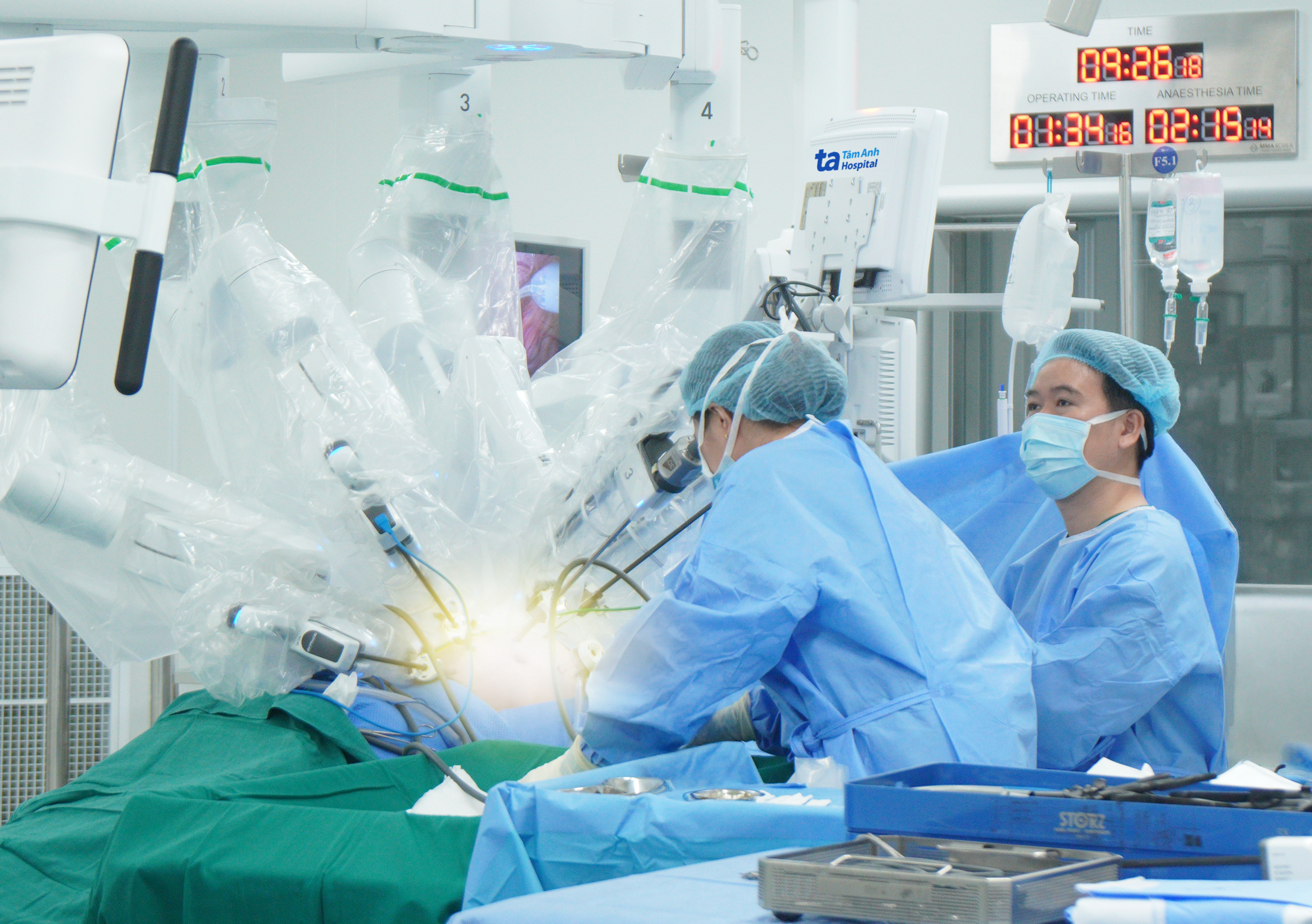 |
Doctor Thanh Truc (right) during robotic surgery for kidney cancer. *Illustration photo: Tam Anh General Hospital.*
Patients who have undergone kidney cancer surgery must adhere to a regular follow-up schedule for early detection of recurrence. At Tam Anh General Hospital TP HCM, during the first two years post-surgery, patients are typically advised to undergo check-ups every 3-6 months using imaging methods: abdominal ultrasound, computed tomography (CT) scans, or magnetic resonance imaging (MRI) of the abdomen with contrast to thoroughly evaluate the renal fossa and adjacent organs.
Additionally, doctors may order a PET/CT scan to screen for systemic metastasis. The frequency of these examinations is gradually extended over time by the doctor, depending on the patient's specific health condition.
Patients should pay close attention to early warning signs such as: blood in the urine, dull or sharp lower back pain, or a palpable abdominal mass. Systemic symptoms like unexplained weight loss, persistent fever, anemia, or ongoing fatigue are also alarm signals, warranting prompt medical consultation.
If the disease recurs, several effective intervention methods are available: laparoscopic tumor removal, radiation therapy, chemotherapy, and immunotherapy. Currently, with robotic surgery, recurrent tumors can be managed with greater precision and less invasiveness, aiding patients in a quicker recovery.
Patients also need to maintain a healthy lifestyle: effectively control blood pressure, avoid smoking, and limit stimulants and alcohol to protect the function of the remaining kidney. Adopting a balanced, nutritious diet and regular exercise helps boost immunity and enhances treatment effectiveness.
Master of Science, Doctor, Level II Specialist Pham Thanh Truc
Center for Urology - Nephrology - Andrology
Tam Anh General Hospital TP HCM