The International Agency for Research on Cancer (IARC), part of the World Health Organization (WHO), classifies very hot beverages (above 65 degrees Celsius) as Group 2A – a category of agents "probably carcinogenic to humans". This classification is based on a comprehensive report from The Lancet Oncology medical journal, which analyzed epidemiological data from regions where high-temperature tea and traditional beverages are commonly consumed. Experts identified the clearest link between this habit and the risk of esophageal squamous cell carcinoma, rather than the entire digestive system.
In daily life, freshly brewed tea often reaches 80 to 90 degrees Celsius, while noodle dishes like bun, pho, and mi, served immediately, maintain temperatures between 70 and 80 degrees Celsius. Both these temperature ranges exceed the safe threshold for the digestive tract lining.
High temperatures do not directly alter gene structure but cause physical damage. When exposed to excessively hot food, the delicate epithelial cell layer lining the esophagus suffers thermal burns and peels away. The body then activates a self-repair mechanism, promoting rapid cell division to regenerate the damaged area.
This continuous cycle of inflammation and regeneration over many years increases the likelihood of errors during DNA replication, creating conditions for malignant mutations to form. Furthermore, a compromised esophageal protective barrier makes the mucosa more susceptible to absorbing other carcinogens, particularly in individuals who smoke or consume alcohol.
Health experts advise against rushing to consume dishes immediately after they are removed from the stove. The simplest way to protect the esophagus is to allow food and beverages to cool to a moderately warm temperature (below 65 degrees Celsius) before enjoying them.
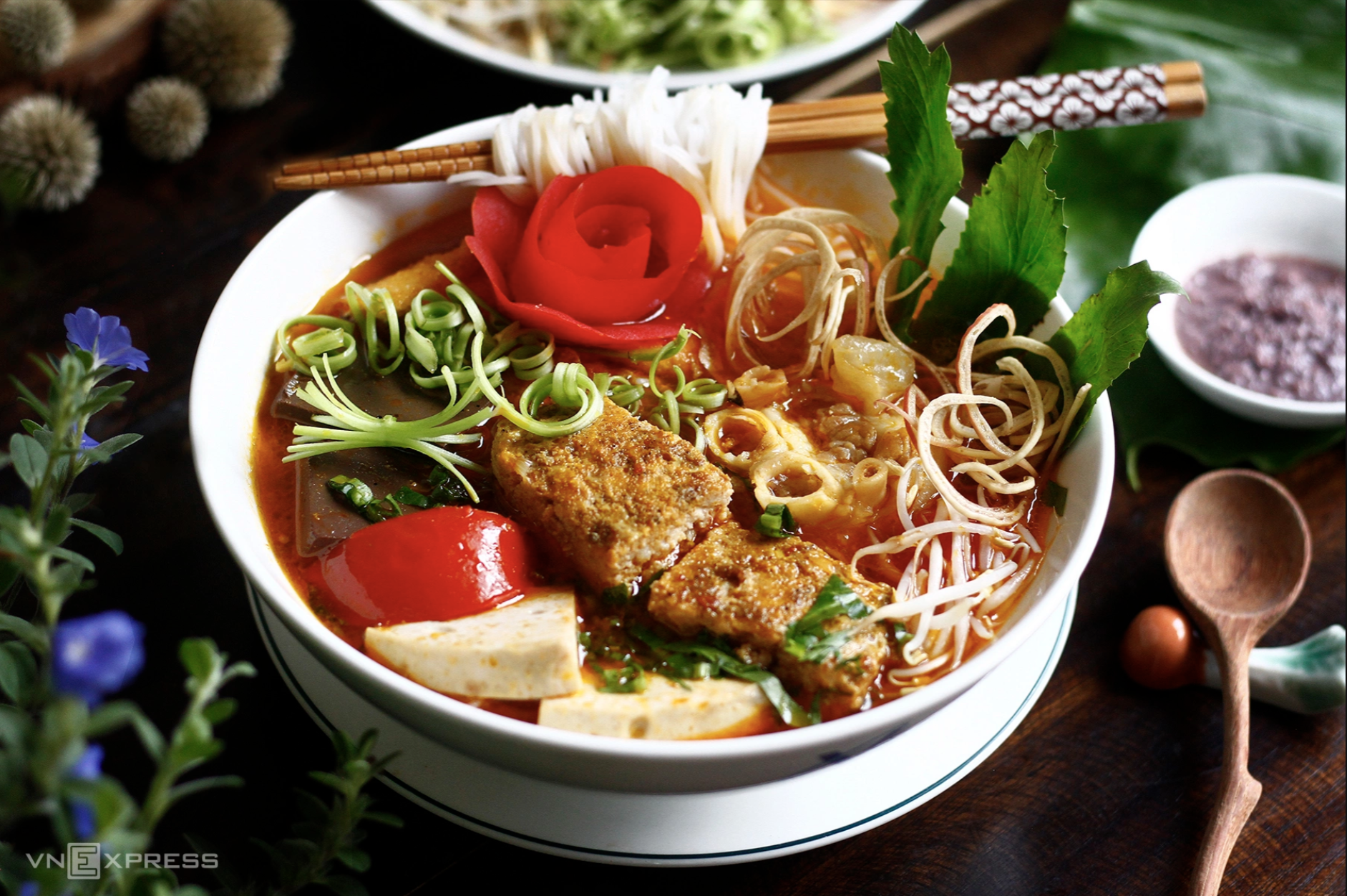 |
Southern Vietnamese crab noodle soup (bun rieu cua). *Bui Thuy*
My Y (According to HK01)