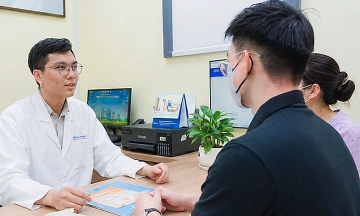
Using a microwave oven to reheat food is both simple and convenient, but the concern about whether "microwave ovens cause cancer" persists for many. Addressing this common question, Doctor Chen Yu-chang, a Family Medicine specialist from the Department of Family and Community Medicine at E-Da Hospital in Taiwan, confirms that the answer is "no".
A microwave oven is a highly efficient heating tool that does not use X-rays or gamma rays to heat food. This appliance does not turn food into radioactive material, nor does it alter the molecular or chemical structure of dishes. Compared to high-temperature cooking in a pan with oil, microwaving can even be less destructive to nutritional components.
Doctor Chen Yu-chang emphasizes that the actual health risks do not come from the microwave oven itself, but rather from how users operate the appliance. He points out three common errors that can pose health threats:
Repeatedly reheating overnight leftovers
Leafy vegetables like spinach and celery are harmless on their own, but after cooking and prolonged storage, bacteria can convert nitrates into nitrites. When these vegetables are repeatedly reheated, it creates ideal conditions for the formation of nitrosamines, a carcinogenic compound. To avoid this: Cook only what you plan to eat. If there are leftovers, do not let them cool at room temperature; instead, cover them tightly and store them directly in the refrigerator.
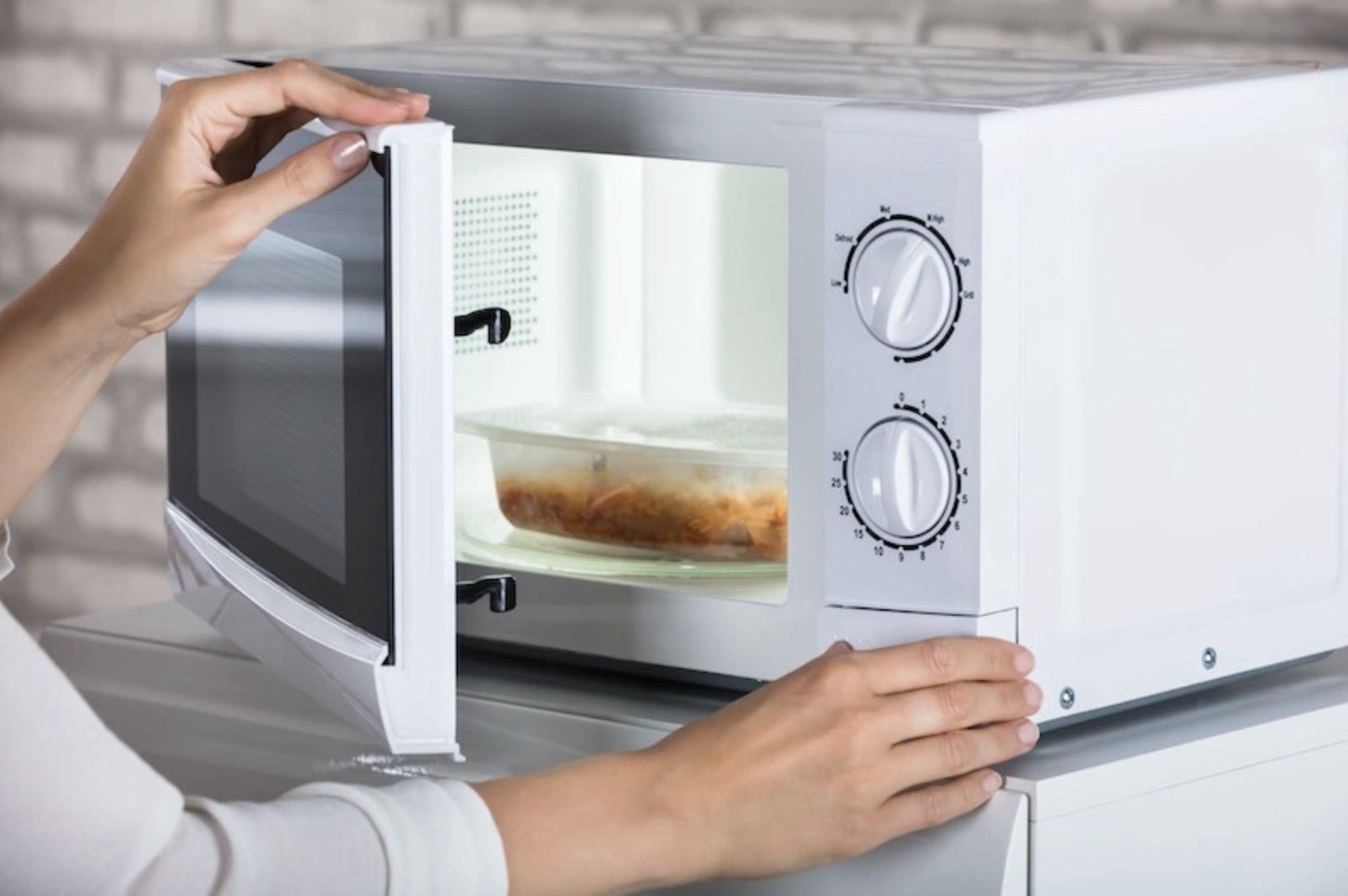 |
The "hot on the outside, cold on the inside" phenomenon when microwaving occurs very frequently but is often overlooked. Illustration: JakartaPost |
Using incorrect containers for microwaving
Doctor Chen Yu-chang likens using scratched plastic containers or melamine dishes to reheat oily foods to a "chemical dissolution experiment." Endocrine disruptors like plasticizers (phthalates) and bisphenol A (BPA) can subtly leach into the food. This type of "saving" is actually the biggest loss. To avoid this: Invest in a few heat-resistant glass containers or certified ceramic ware. This is a lifelong investment in your health.
Uneven heating
The "hot on the outside, cold on the inside" phenomenon often occurs when microwaving but is frequently overlooked. Especially with meat dishes, the outer surface might appear "piping hot," but the core of the meat could still be a safe haven for bacteria, such as Salmonella. Consuming unevenly heated food is akin to "inviting trouble into your home." To avoid this: Pause the microwave mid-cycle to stir or flip the food. Adding just 30 seconds to this process can thoroughly eliminate food safety risks.
Doctor Chen Yu-chang stresses that "safety" is one thing we must never compromise on. Prioritizing whole foods, ensuring balanced nutrition, and avoiding overly processed foods are three golden rules for maintaining good health.
As a family doctor, he always carefully observes the type of tableware restaurants use for children. Whenever he sees hot soup or fried rice served in scratched melamine plastic dishes, he immediately becomes cautious. A restaurant that invests extra in food-grade silicone or virgin PP plastic utensils demonstrates clear dedication and professionalism.
According to data from Taiwan's Health and Welfare Agency, melamine plastic containers have a heat resistance of approximately 110 to 130 degrees Celsius. If the quality is poor, or if cracks, breaks, or scratches appear on the surface during use, harmful substances like melamine, formaldehyde, or heavy metals can easily leach out and enter the human body through food.
The Taipei City Health Department also advises the public not to use melamine utensils for excessively hot or acidic foods, and to avoid using ultraviolet rays for sterilizing this type of plastic. When cleaning, a soft sponge should be used instead of metal brushes or abrasive scrubbers to prevent scratches that can lead to bacterial growth or discoloration of the item. Once dishes are scratched, opaque, chipped, or cracked, they should absolutely not be reused. Instead, switch to stainless steel or ceramic alternatives.
By My Y (Source: HK01)