 |
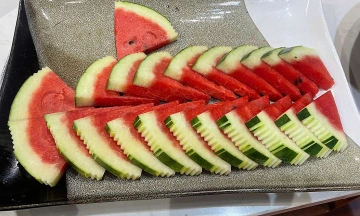
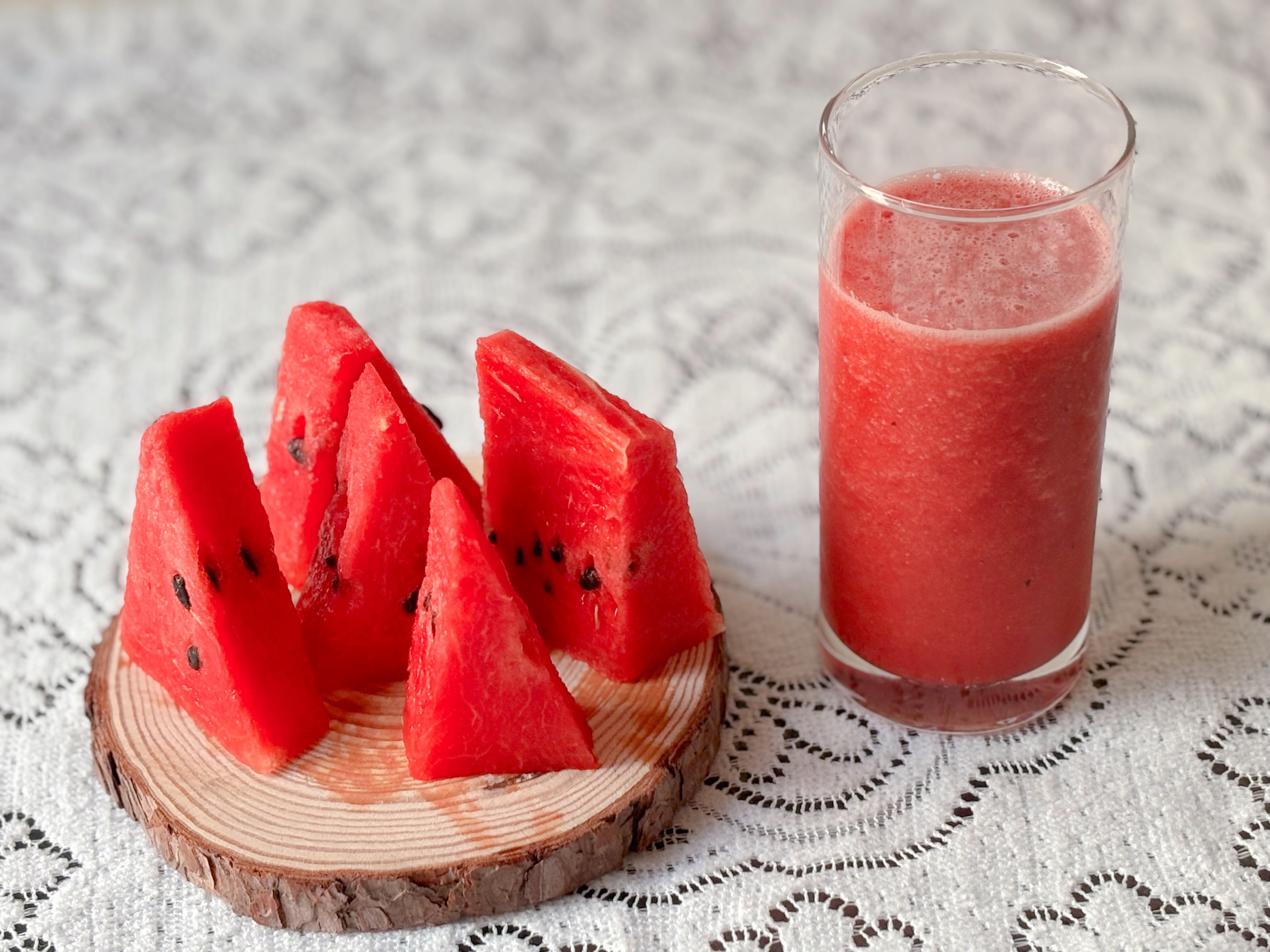
Watermelon contains L-citrulline, an amino acid the body converts into L-arginine. This process supports nitric oxide production, which helps blood vessels relax and improves circulation. These effects contribute to better blood pressure management. Individuals with high blood pressure should consume fresh watermelon as part of their daily fruit intake, rather than solely drinking its juice.
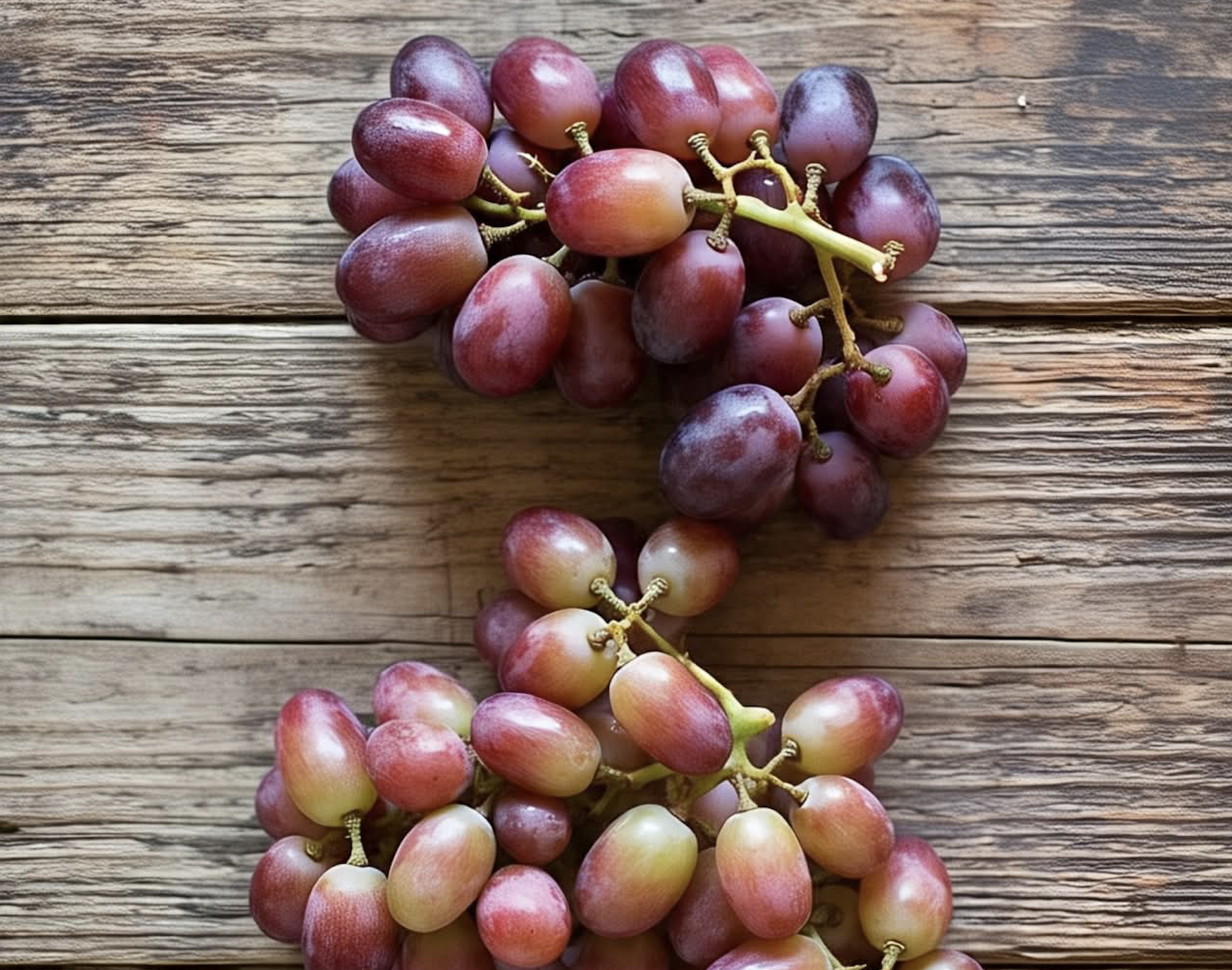 |
Grapes, particularly red and purple varieties, contain polyphenols such as anthocyanins and quercetin. These compounds support vascular function and blood pressure. Prioritize eating whole grapes over juice to maximize fiber intake and limit rapidly absorbed sugars.
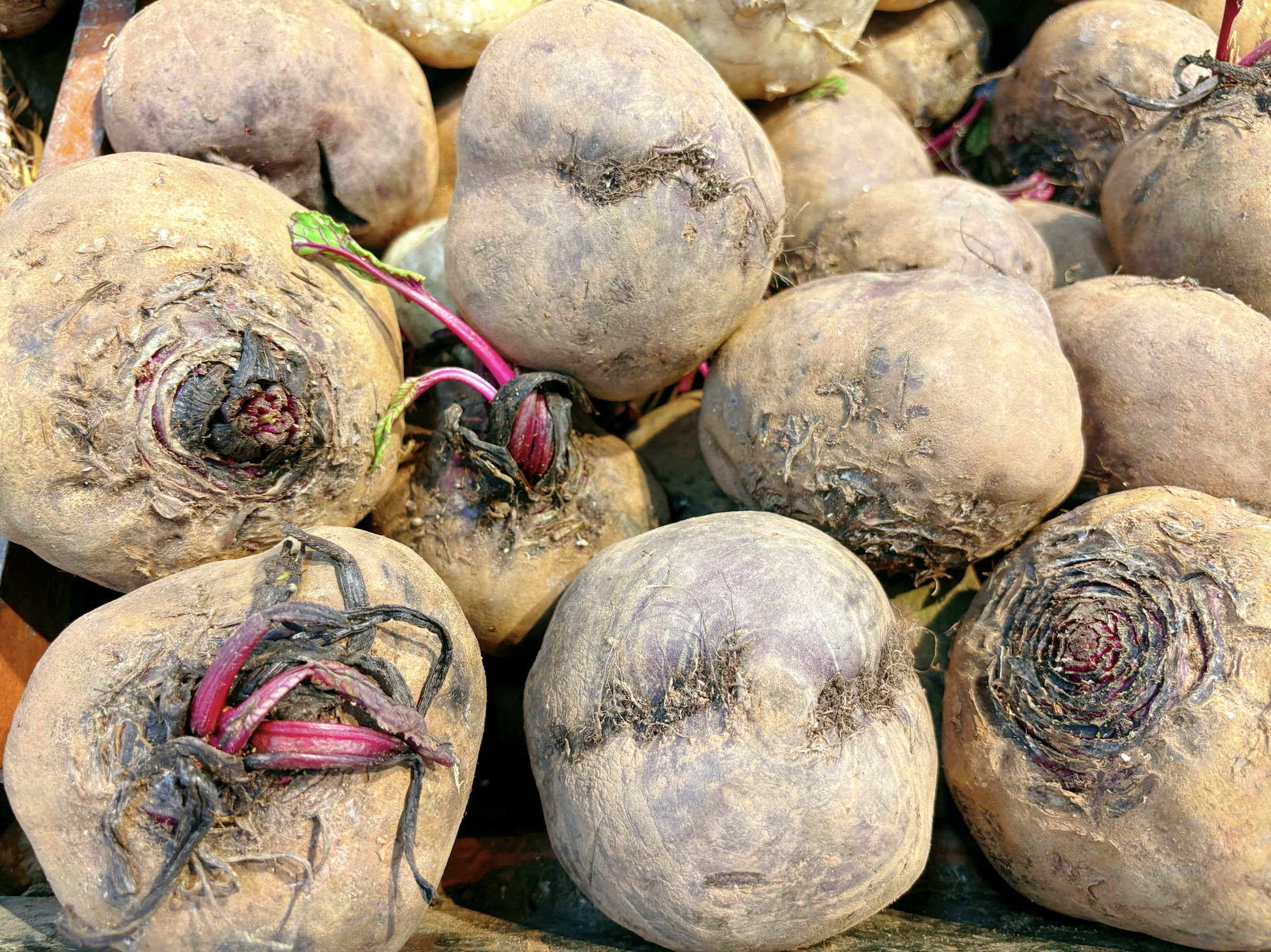 |
Beetroot is rich in nitrates, compounds the body converts into nitric oxide. Nitric oxide helps dilate blood vessels and improve circulation. Research indicates that consuming beetroot juice can lower systolic blood pressure. Incorporate beetroot into your diet by boiling, steaming, roasting, or juicing it. It is important to remember that beetroot is not a substitute for prescribed hypertension medication.
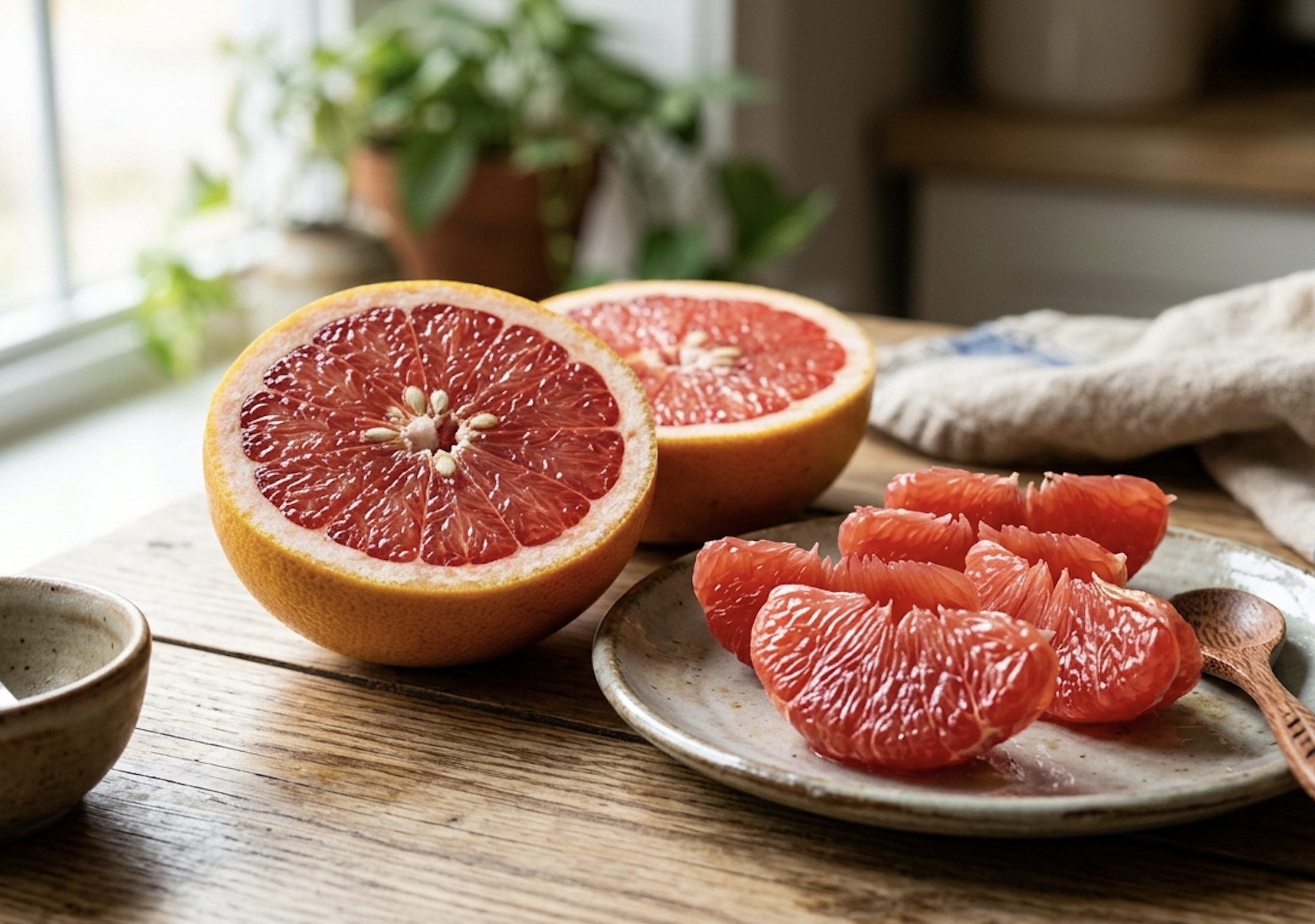 |
Grapefruit provides potassium and vitamin C, two nutrients vital for heart health and blood pressure management. A single cup offers approximately 290-330 mg of potassium and 76-85 mg of vitamin C. However, grapefruit can interact with specific hypertension medications. Always consult a doctor before consuming grapefruit or its juice if you are on medication.
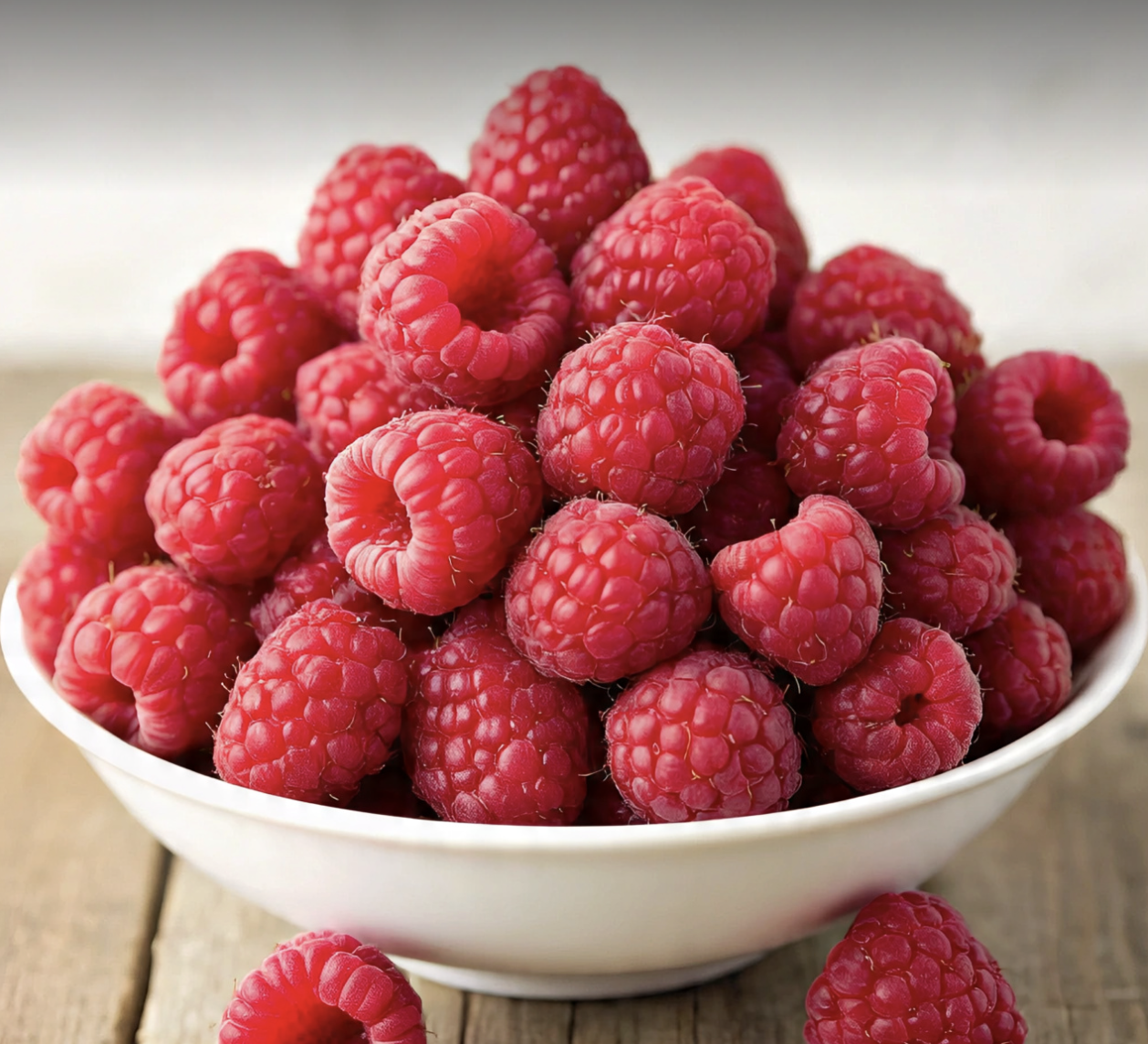 |
Raspberries, another beneficial berry, are rich in anthocyanins, plant compounds known to support vascular health and blood pressure regulation. Beyond antioxidants, raspberries provide substantial fiber. A single cup delivers approximately 8 g of fiber, notably more than strawberries. Fiber contributes to cholesterol control, supports heart health, and is a key component of a blood pressure-friendly diet.
By Bao Bao (Compiled)
Photos: Bao Bao, AI