Eat enough protein but reduce fatty meat
Protein is vital for maintaining muscles and body tissues, so individuals with high cholesterol should not drastically cut back on this nutrient. According to Eating Well, lean meats, fish, tofu, and legumes are good dietary choices.
Those with high cholesterol should monitor the fat content in protein-rich foods. Instead of frequently consuming pork belly, fatty ribs, chicken skin, or organ meats, opt for lean cuts and remove poultry skin. Incorporating more fish and tofu into meals is also beneficial. Healthy adults typically require 0.8-1.3 g of protein per kg of body weight daily, depending on their activity and health.
Replace refined starches with whole grains
Starches are essential for energy, so avoiding rice or other carbohydrate-rich foods solely due to high cholesterol is not advisable.
Individuals with high cholesterol should include oats, brown rice, whole-wheat bread, corn, and potatoes in their diet. These foods offer more fiber than refined starches. Soluble fiber, found in oats, legumes, and certain fruits, can help reduce cholesterol absorption in the intestines.
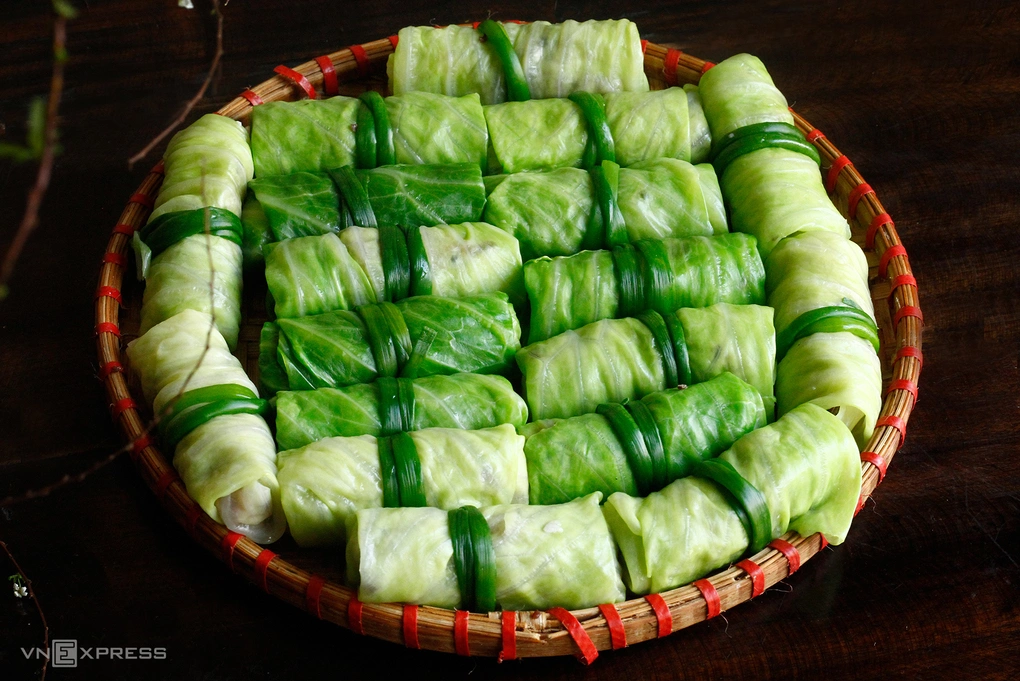 |
People with high cholesterol should eat vegetables and fruits regularly. Photo: Bui Thuy |
Increase vegetables and fruits
Vegetables provide vitamins, minerals, and fiber, promoting satiety without excessive calories. Those with high cholesterol should consume a diverse range of vegetables rather than focusing on just a few common types.
Broccoli, leafy greens, carrots, tomatoes, pumpkin, okra, and other vegetables should be rotated in meals. Fruits such as apples, oranges, grapefruits, pears, and guavas are also good choices; consume whole fruits instead of juice.
Choose unsaturated fats over animal fat
Fats remain essential for the body, so completely removing oils and fats from your diet is unnecessary. The key is to reduce saturated fats and prioritize unsaturated fat sources.
Olive oil, canola oil, soybean oil, avocados, nuts, and fish are excellent sources of unsaturated fats to incorporate into your diet. Conversely, limit animal fats, butter, heavy cream, and deep-fried foods.
Cooking methods like steaming, boiling, braising, or grilling also help limit the fat in dishes compared to deep-frying, according to WebMD.
No need to completely avoid eggs and milk
Many people eliminate eggs and milk from their diet upon discovering high cholesterol. However, removing too many nutrient-rich foods can lead to an inadequate diet. Individuals with high cholesterol can pair eggs with vegetables and fiber-rich foods instead of bacon or sausages. For those managing fat and sugar intake, low-fat, sugar-free milk is recommended.
By Le Nguyen (Compiled)
| Readers can submit questions about cardiovascular disease here for doctors to answer. |