Long fingernails in children can increase the risk of illness by harboring germs and facilitating their transmission. Hands are constantly in contact with objects, picking up pathogens. When fingernails are long, cleaning hands thoroughly becomes difficult, allowing dirt and germs to accumulate in the crevices and under the nails.
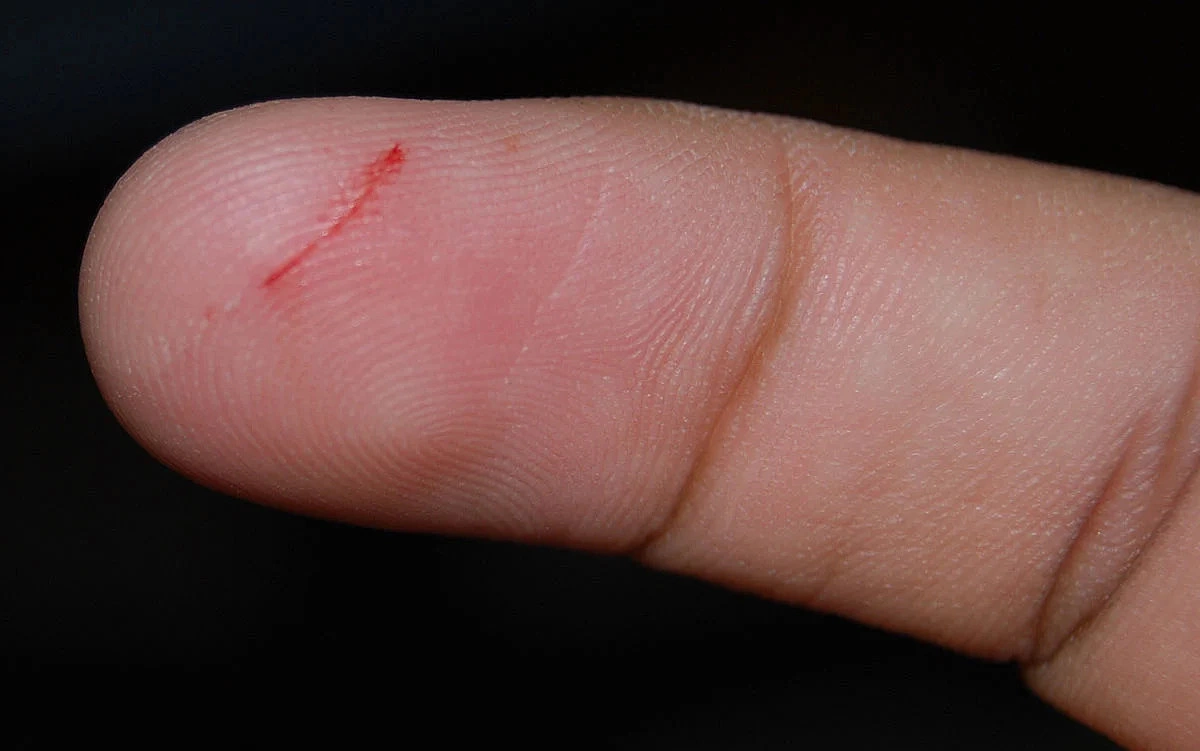
Children's fingernails are often thin and sharp. If a child scratches an itch with long nails, they can create skin abrasions. These minor injuries provide an entry point for bacteria, potentially leading to skin inflammation or secondary infections. This habit of keeping long nails significantly raises the chance of pathogens entering the body.
Several infectious diseases can spread through hand-to-mouth contact, including flu, hand-foot-and-mouth disease, measles, chickenpox, respiratory syncytial virus (RSV), pneumococcal disease, and meningococcal disease. Therefore, regular nail trimming is a simple yet effective way to maintain hand hygiene for children.
 |
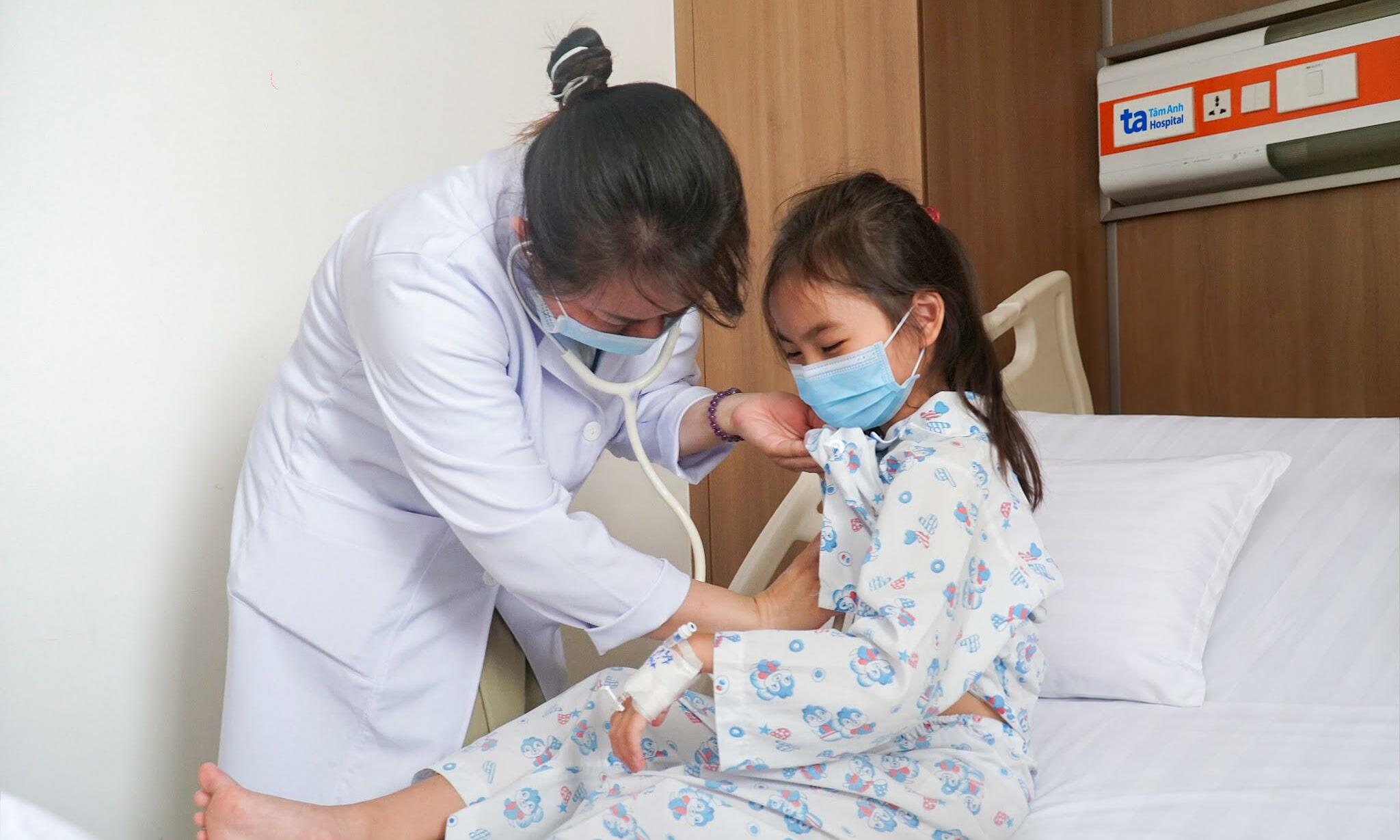
Children's fingernails are thin yet sharp, and easily accumulate dirt, sand, and pathogens, so they need to be trimmed short and frequently washed with soap. Photo: Dieu Thuan |
Children's fingernails are thin yet sharp, and easily accumulate dirt, sand, and pathogens, so they need to be trimmed short and frequently washed with soap. Photo: Dieu Thuan
Parents should trim their child's fingernails regularly using specialized tools, taking care not to cut too close to the finger's flesh. If a child resists nail trimming, it is advisable to do it when they are asleep, not moving, or immediately after a bath. Avoid cutting nails when the child is squirming, crying, or playing to prevent accidental injury.
Beyond nail care, parents and schools must teach children to wash their hands frequently with soap under clean running water. Regular disinfection of toys, learning tools, and surfaces is also crucial to eliminate pathogens. Additionally, children need a balanced diet, sufficient hydration, and adequate sleep to strengthen their immune system. If a child experiences symptoms like fever, cough, sore throat, or a blistering rash, seek medical attention promptly for accurate diagnosis and early treatment.
The current transitional weather often fosters the growth of bacteria and viruses. Many of the aforementioned diseases are preventable with vaccines. Parents should consult a doctor to ensure their child receives appropriate vaccinations, preventing them from contracting multiple illnesses.
The hand-foot-and-mouth disease vaccine, for instance, has been available nationwide through the VNVC Vaccination System since 25/9. This vaccine protects against the disease and the risk of reinfection from the EV71 strain. It is administered to children from 2 months to under 6 years of age, with a schedule of 2-3 doses depending on the child's age at the start of vaccination. In just over half a month since its launch, VNVC has vaccinated more than 100.000 children across the country against hand-foot-and-mouth disease.
Comprehensive vaccines are also available for measles, chickenpox, meningococcal disease, flu, and dengue fever. Consult a doctor for early disease prevention through vaccination for your child.
Doctor Doan Thi Khanh Cham
Medical Manager, VNVC Vaccination System