Mr. Minh underwent a vasectomy after his daughter's birth. Years later, he and his wife desired more children. They traveled from the US to Vietnam for a vasectomy reversal, but the retrieved sperm count was very low. At a hospital in TP HCM, he underwent epididymal sperm aspiration for in vitro fertilization (IVF) to create embryos, but two embryo transfers were unsuccessful.
Over the past six years, the couple had repeatedly traveled from the US to Vietnam for fertility treatment. This time, Mr. Minh contacted the online consultation department of the Center for Reproductive Support, Tam Anh General Hospital TP HCM (IVF Tam Anh TP HCM). Doctors provided guidance on treatment, assisted with document preparation, and arranged his return to Vietnam for care.
After centrifuging Mr. Minh's semen sample and examining the sediment, lab specialists found two immotile sperm, indicating severely impaired spermatogenesis. The patient's testicle size was half the normal, and endocrine tests showed elevated follicle-stimulating hormone (FSH) while testosterone levels were very low. Mr. Minh also suffered from bilateral varicocele, a condition that can affect testicular function and sperm production.
 |
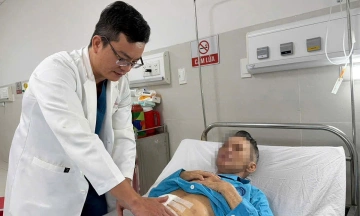
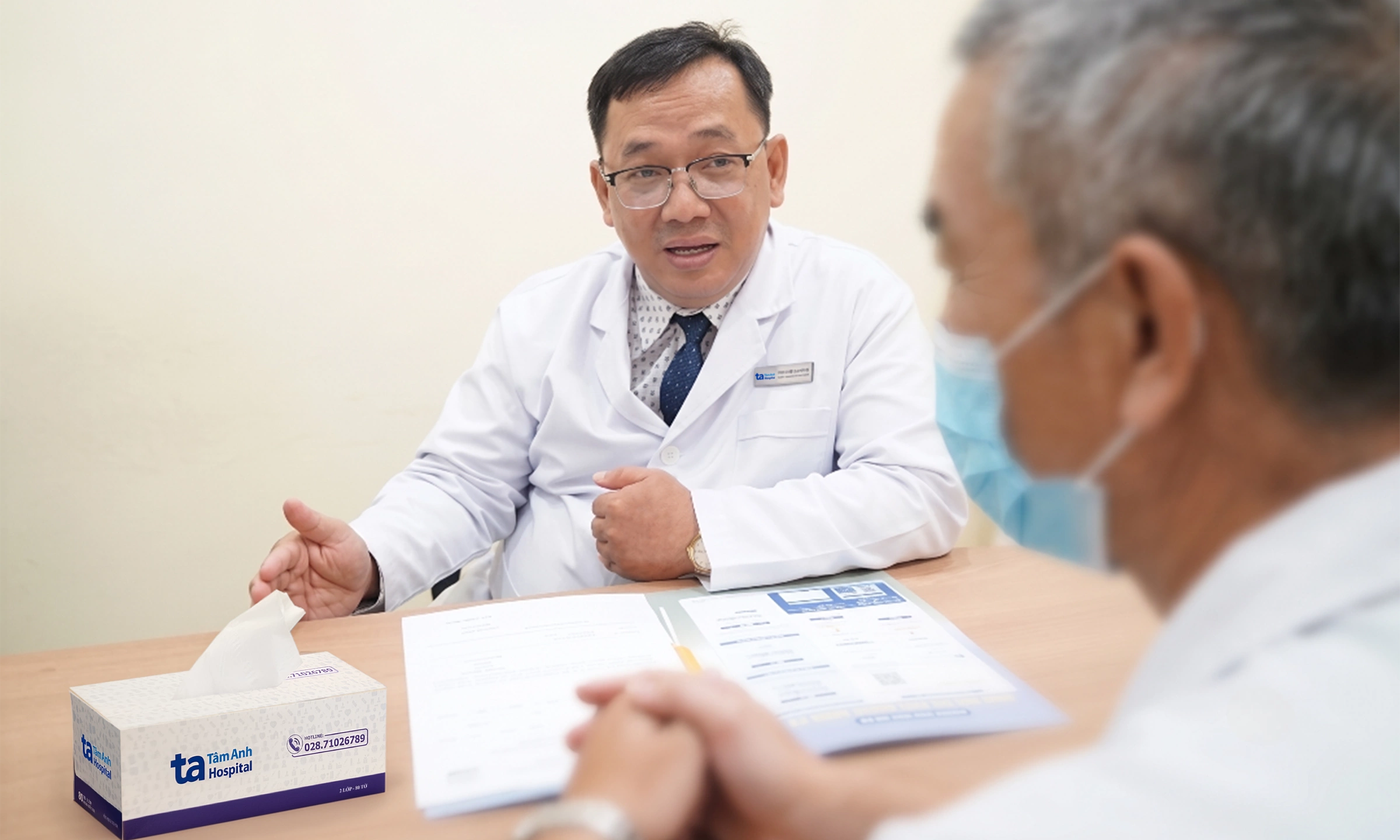
Doctor Danh advises the patient on the micro-TESE microsurgery method to find sperm. *Photo: Tam Anh General Hospital*
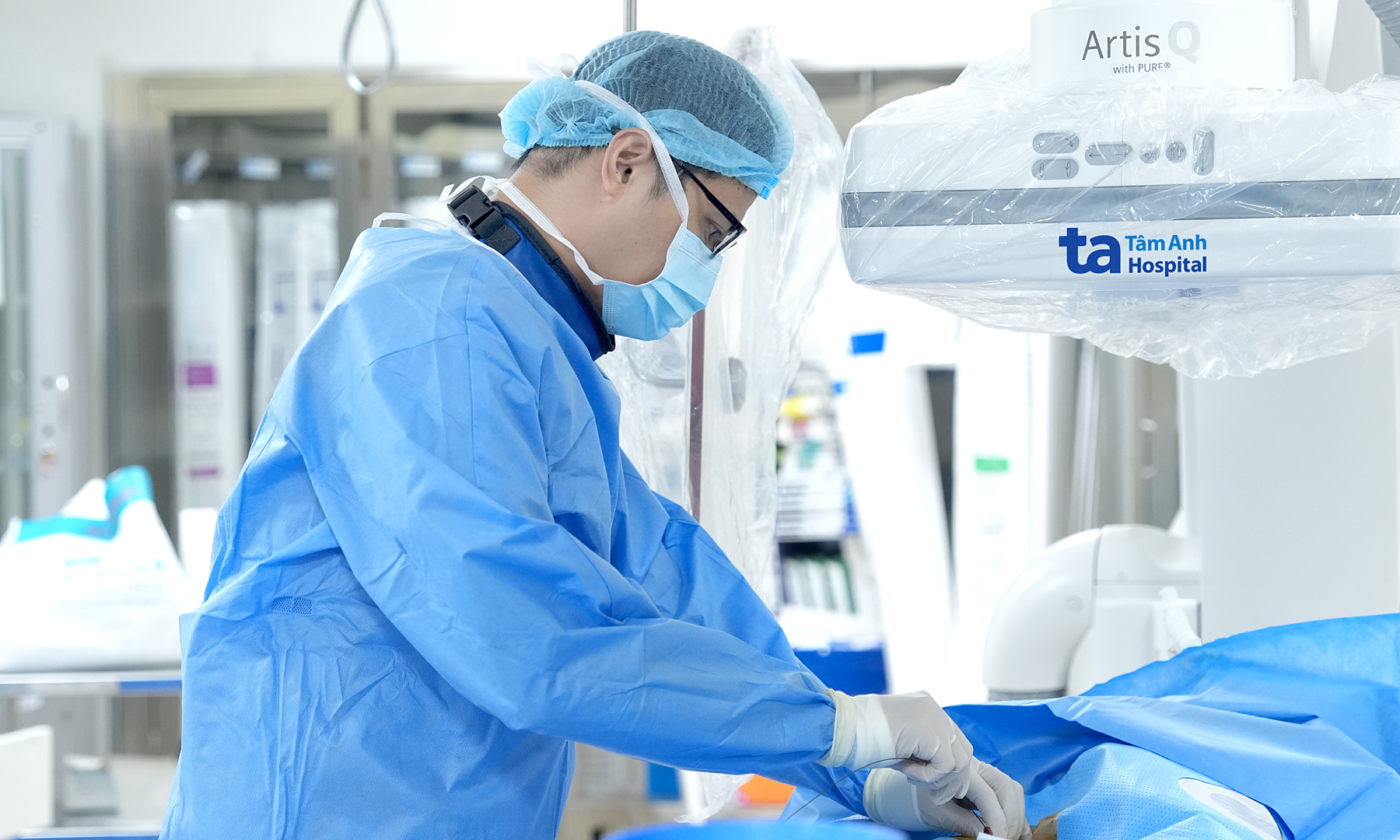
Doctor Nguyen Cong Danh, from the Andrology Unit at IVF Tam Anh TP HCM, explained that after nearly 20 years of sterilization, Mr. Minh's spermatogenesis was impaired due to a combination of factors, not solely issues with the vas deferens. To avoid the risks of damage, scarring, and obstruction associated with repeated epididymal sperm aspiration, Doctor Danh decided to perform micro-testicular sperm extraction (micro-TESE). This microsurgical technique retrieves testicular tissue under a microscope, minimizing the amount of tissue removed and preserving the patient's physiological function. During the same operation, the surgical team also performed microsurgery to treat Mr. Minh's varicocele.
Using a microsurgical microscope with 40x magnification, doctors meticulously examined the testicular tissue to identify potential seminiferous tubules. The necessary tissue was then harvested and transferred to the lab. Embryologists processed the sample, successfully retrieving enough sperm for an IVF cycle and cryopreserving additional sperm for future treatments. This allowed Mr. Minh to return to the US, while his wife continued her treatment in Vietnam.
The medical team successfully cultured three day-5 embryos and two day-6 embryos. Given the couple's advanced age and history of multiple unsuccessful IVF attempts, doctors recommended embryo biopsy for preimplantation genetic testing before uterine transfer. The results showed two embryos met the required standards.
The wife conceived on her first embryo transfer, and her pregnancy progressed stably. She returned to the US, where Vietnamese doctors coordinated her ongoing prenatal care. The remaining embryo was cryopreserved, offering the couple the possibility of having another child in the future.
Doctor Danh emphasized that a history of natural conception does not guarantee preserved fertility over time. Age, acquired reproductive organ conditions, hormonal imbalances, and various other health factors can significantly impact spermatogenesis.
Men who underwent vasectomies many years ago and now wish to have more children should seek early medical consultation. This allows doctors to evaluate both the vas deferens and current testicular function. Based on individual circumstances, doctors will then recommend the most appropriate sperm retrieval method.
Currently, approximately 30% of infertility patients at IVF Tam Anh are overseas Vietnamese and foreign nationals. These patients benefit from online consultations and personalized treatment plans, which help reduce their length of stay, minimize travel, and control associated costs.
Ha Thanh
*Patient's name has been changed
| Readers can submit questions about infertility here for doctors to answer. |