Phyllodes tumors originate from connective tissues, specifically fibrous tissues that support other tissues in place. Under microscopic examination, their cells form a distinctive leaf-like pattern.
These tumors typically exceed 3 cm, with some growing as large as 20-30 cm. Most, about 80%, are benign, while the remaining 20% are either malignant or borderline, representing a transitional stage. Benign phyllodes tumors grow quickly, stretching the skin, making the overlying area appear shiny and reddish. They may or may not cause pain. If left untreated for an extended period, tumors can bleed or rupture, leading to discomfort and infection. Therefore, prompt surgery is recommended for all diagnosed phyllodes tumors, regardless of their benign or malignant nature.
Following surgery, patients, regardless of whether their phyllodes tumor was benign or malignant, face a significant recurrence risk if surgical margins are insufficient. When recurrence happens, the tumor often reappears at the original site. Occasionally, a recurrent tumor may transform from a benign type to a borderline or even malignant phyllodes tumor.
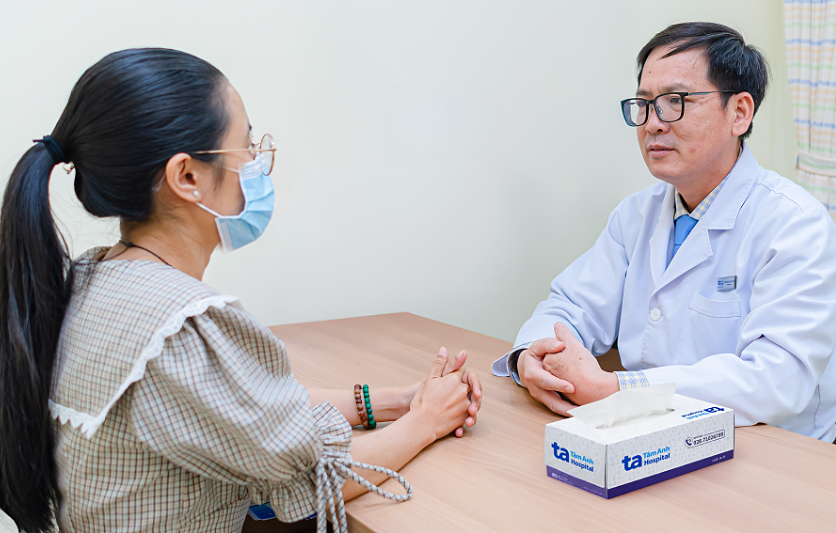 |
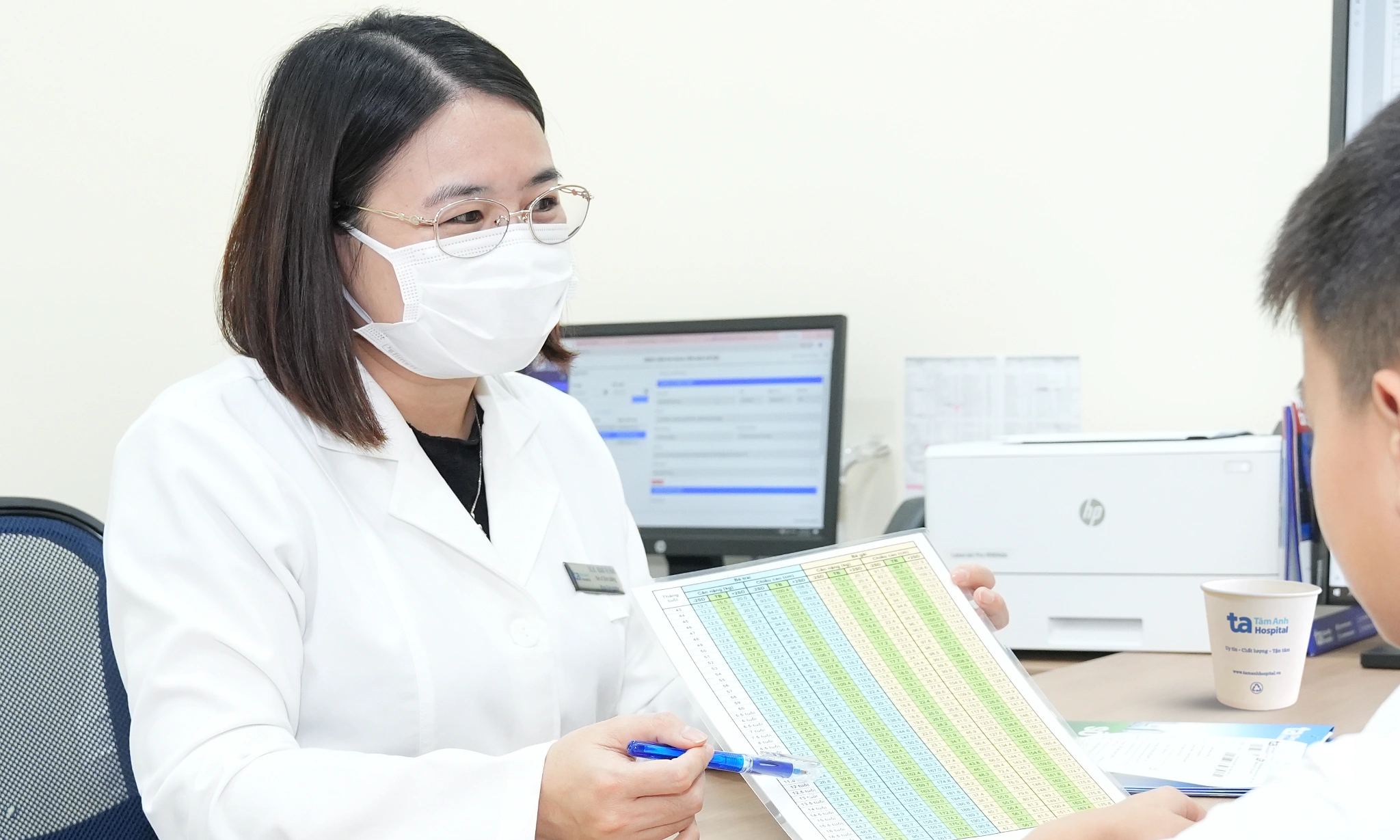
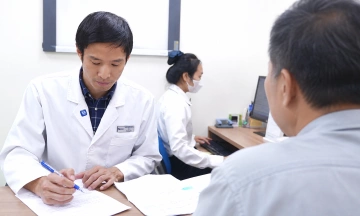
Dr. Vinh advises a patient. Illustration: Tam Anh General Hospital
To mitigate recurrence risk, patients should select a reputable medical facility and an experienced surgeon. The surgical approach depends on the tumor's size and location. Doctors may opt to remove the tumor with a one-centimeter margin of surrounding breast tissue or perform a total mastectomy. Post-mastectomy, patients can undergo reconstruction using implants or tissue flaps for cosmetic restoration. For malignant or borderline phyllodes tumors, radiotherapy may follow surgery to further reduce recurrence.
Currently, the specific cause of phyllodes tumors remains unknown. However, women with Li-Fraumeni syndrome, a rare genetic condition, have an elevated risk of developing these tumors. Given your mother's recent surgery for a phyllodes tumor, regular follow-up appointments are essential. These check-ups allow doctors to monitor her condition and promptly address any potential recurrence.
Dr. Le Ngoc Vinh, Specialist Level I
Surgical Oncology Unit, Oncology Center
Tam Anh General Clinic District 7