Breast reconstruction is a surgical procedure to restore breast shape after a total mastectomy for breast cancer treatment. While many patients undergo immediate reconstruction following a mastectomy, others opt for delayed breast reconstruction once their condition stabilizes and cancer treatment protocols are complete.
Delayed breast reconstruction offers several advantages after a period of treatment, including completed chemotherapy and radiation therapy, stable overall health, a healed surgical area, and recovery of any irradiated skin.
Various methods exist for breast reconstruction, such as using breast implants (artificial tissue reconstruction) or using skin flaps from the patient's own body (autologous tissue breast reconstruction). However, patients undergoing delayed breast reconstruction often have fewer options. They are primarily reconstructed with autologous flaps or may need tissue expanders before implant placement if they choose implant-based reconstruction.
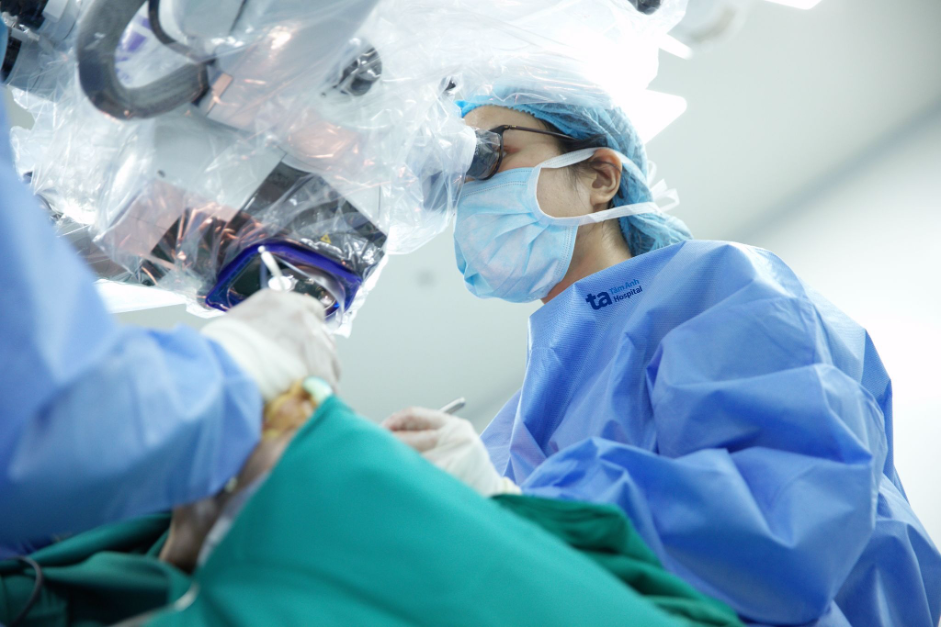 |
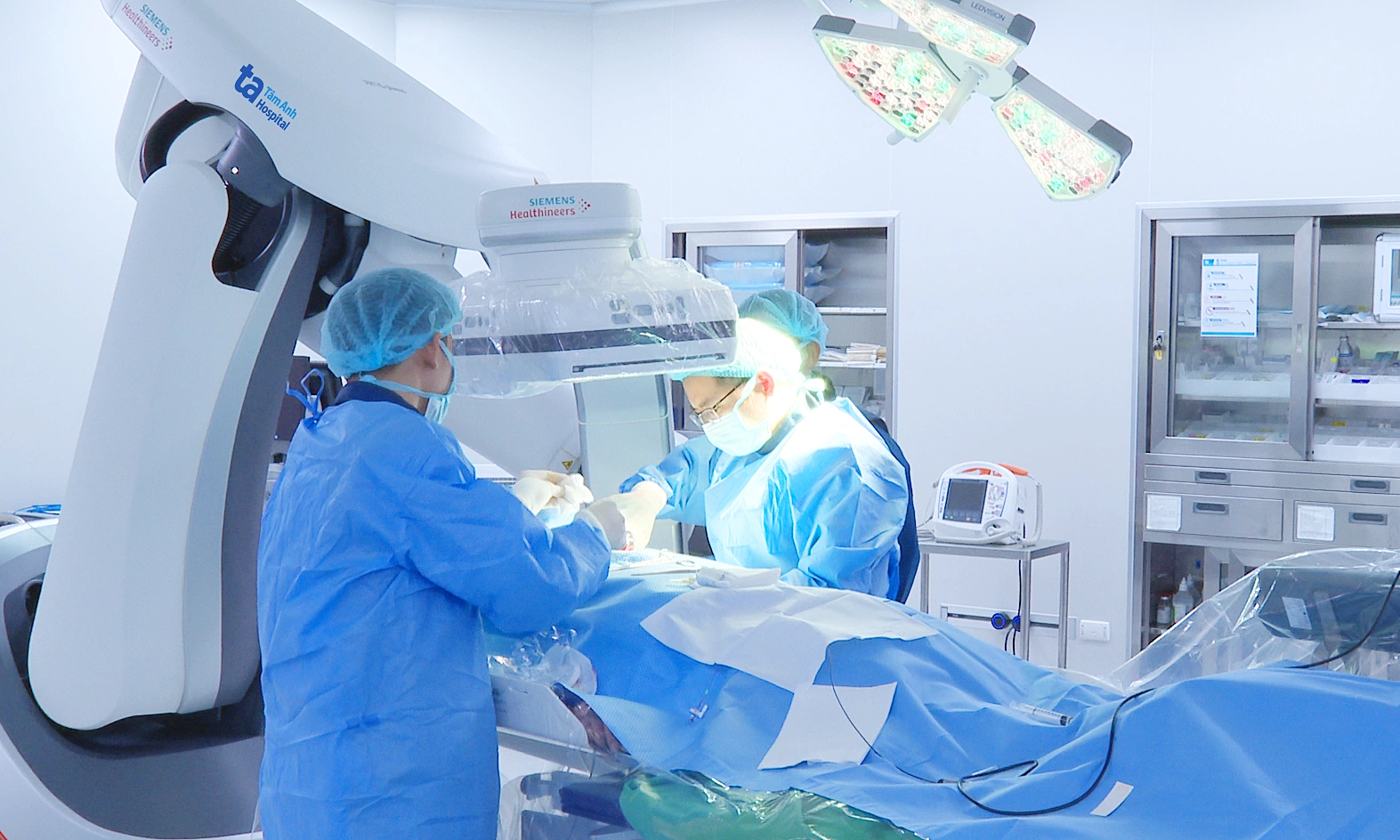
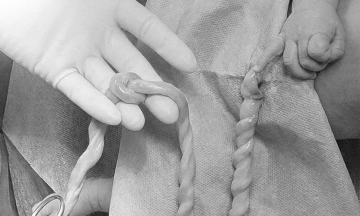
Doctor Khanh performs microsurgery to connect blood vessels for a patient. *Illustration: Tam Anh General Hospital* |
Autologous tissue reconstruction provides a natural and soft appearance. Because it uses the patient's own tissue, this surgery reduces implant-related complications such as infection, rupture, chest wall deformation, or foreign body rejection.
Doctors determine the choice of location for harvesting skin flaps based on the size of the contralateral breast and the thickness of the tissue in potential donor areas.
Two common donor sites include the abdominal region (TRAM, DIEP) and the back region (LD). For the DIEP flap, doctors use microsurgical techniques under a high-resolution microscope to dissect skin and subcutaneous fat from the abdominal area for breast reconstruction. This technique helps preserve the rectus abdominis muscle group, reducing complications at the donor site for patients.
You should have an examination so doctors can perform a comprehensive check-up and choose a breast reconstruction method based on your overall health and personal preferences. The treating doctor and plastic surgeon will agree on a suitable, individualized follow-up and reconstruction plan.
Dr. Tran Nguyen Nhat Khanh
Department of Surgical Oncology
Oncology Center
Tam Anh General Hospital, TP HCM
| Readers can ask questions about cancer here for doctors to answer |