Late-stage cancer is when malignant cells spread from the initial organ of origin, traveling through the bloodstream and lymphatic system to invade distant organs such as the liver, lungs, skeletal system, and brain. At this stage, patients no longer respond to curative treatments.
In the late stages, radiation therapy plays a supportive role in pain relief and improving patients' quality of life, complementing medication.
A multidisciplinary team of radiation oncologists consults with specialists from internal oncology, cardiology, urology-nephrology, neurology, gastroenterology, and nutrition. They assess the patient's physical condition, cancer stage, extent of invasion, and the benefits and risks of each treatment method.
 |
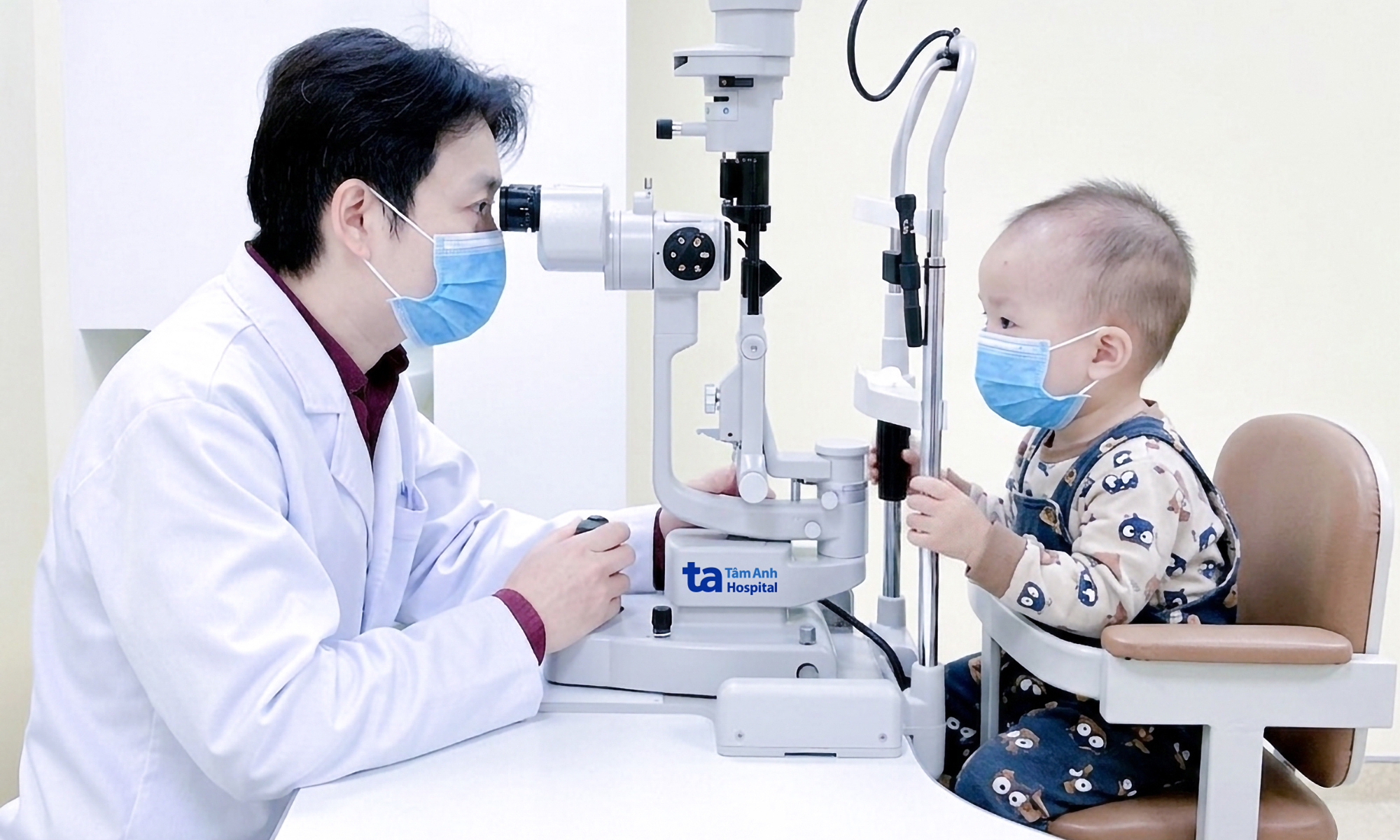
Doctor Loc consults with a patient. Illustration: Tam Anh General Hospital |
For radiation therapy, doctors develop a strategy focused on symptom reduction and addressing tumor compression that causes pain, vision loss, or paralysis of limbs. This differs from the high doses used in earlier stages for curative intent. Patients with late-stage brain metastases, who experience increased intracranial pressure leading to headaches, vomiting, or seizures, may receive radiation therapy to eliminate metastatic sites, reduce edema, and improve neurological function.
Late-stage tumors causing massive bleeding are often treated with radiation to sclerose the tiny blood vessels supplying the tumor, stopping the bleeding from ulcers. Radiation therapy also helps shrink tumors obstructing the airways or digestive tract, enabling patients to breathe and eat again.
This method is also used to alleviate superior vena cava syndrome, commonly seen in patients with late-stage distant metastatic lung cancer. Here, a large tumor compresses the superior vena cava, causing facial edema, congestion, and difficulty breathing. Doctors use radiation therapy to re-establish blood flow.
You should take your grandmother to a hospital with an oncology and radiation therapy department for a specific examination. Late-stage cancer patients often have weakened physical conditions after a prolonged battle with the disease. Therefore, radiation therapy protocols must be individualized to suit each patient's condition.
Palliative radiation therapy courses are typically short, lasting about 5-10 days. The radiation dose per session is higher, but the total cumulative dose for the entire palliative course is lower.
Currently, modern radiation therapy techniques like intensity-modulated radiation therapy (IMRT) and volumetric modulated arc therapy (VMAT) can protect surrounding healthy organs. This results in fewer severe side effects for patients, helping them preserve their strength.
Dr. Nguyen Huy Loc, Specialist Level I
Department of Radiation Therapy, Oncology Center
Tam Anh General Hospital, Ho Chi Minh City
| Readers can submit questions about cancer here for doctors to answer |