Master of Science, Doctor Nguyen Van Quang, Medical Manager at VNVC Vaccination System, clarifies that while mulberries offer health benefits, there is no scientific evidence to suggest they prevent nasopharyngeal cancer.
Mulberries are rich in water, protein, fiber, vitamins K1, E, C, minerals, and antioxidants like flavonoids, polyphenols, and resveratrol. Some research indicates that resveratrol protects blood vessels, lowers stroke risk, extends lifespan, and supports memory and nerve function.
In traditional Eastern medicine, mulberries are considered sour when unripe, sweet when ripe, and have a cooling nature. They are often used in remedies to support kidney, heart, and liver health, alleviate thirst, and address fatigue, anemia, or premature graying hair. While fresh mulberries can be eaten, blended into smoothies, or made into syrup during hot seasons, their "cold" properties mean they should not be consumed in excess, especially if one experiences stomach upset, diarrhea, or stomach ulcers. It is important to choose fresh fruits and avoid those that are soft, bruised, or moldy.
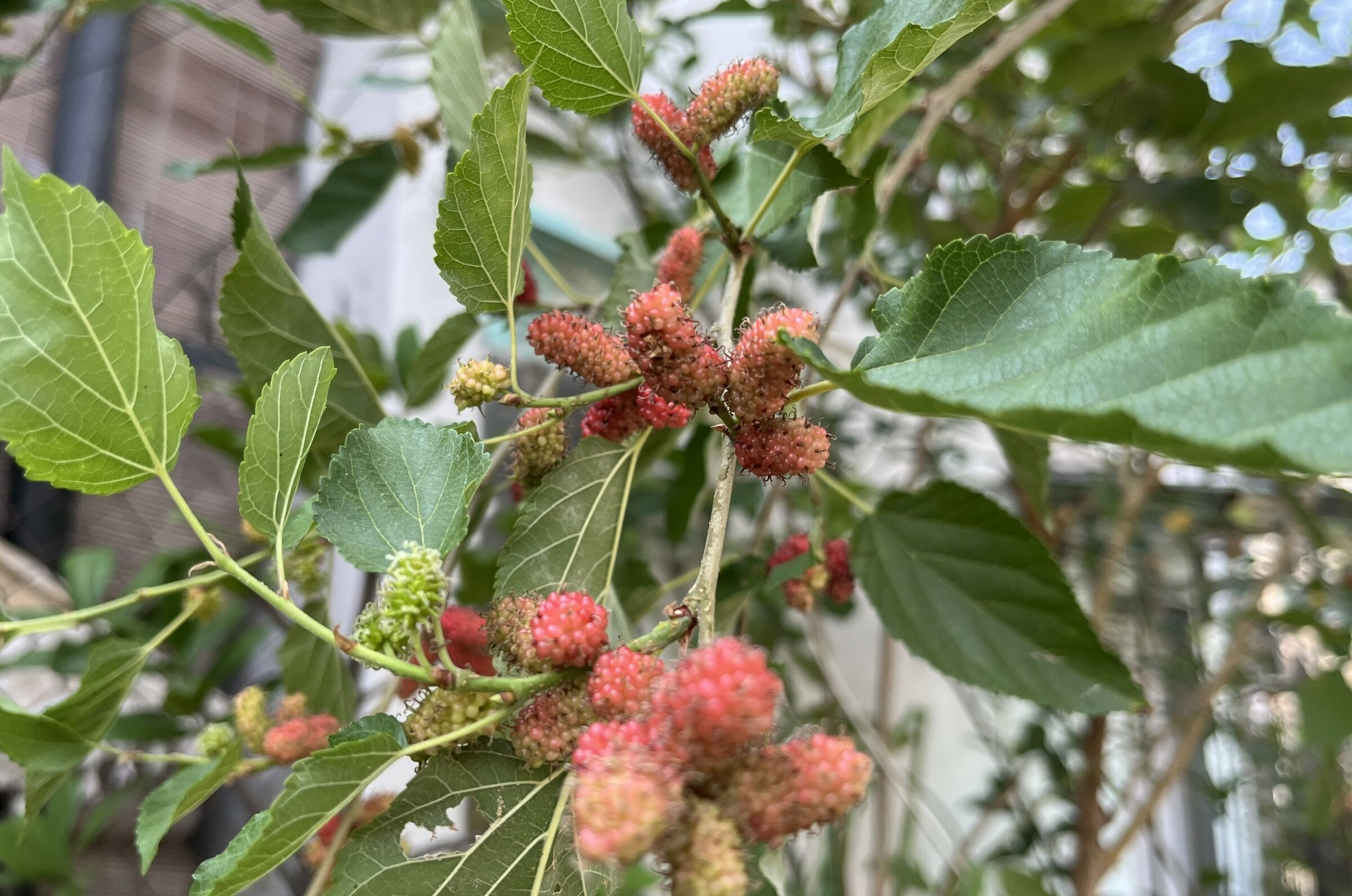 |
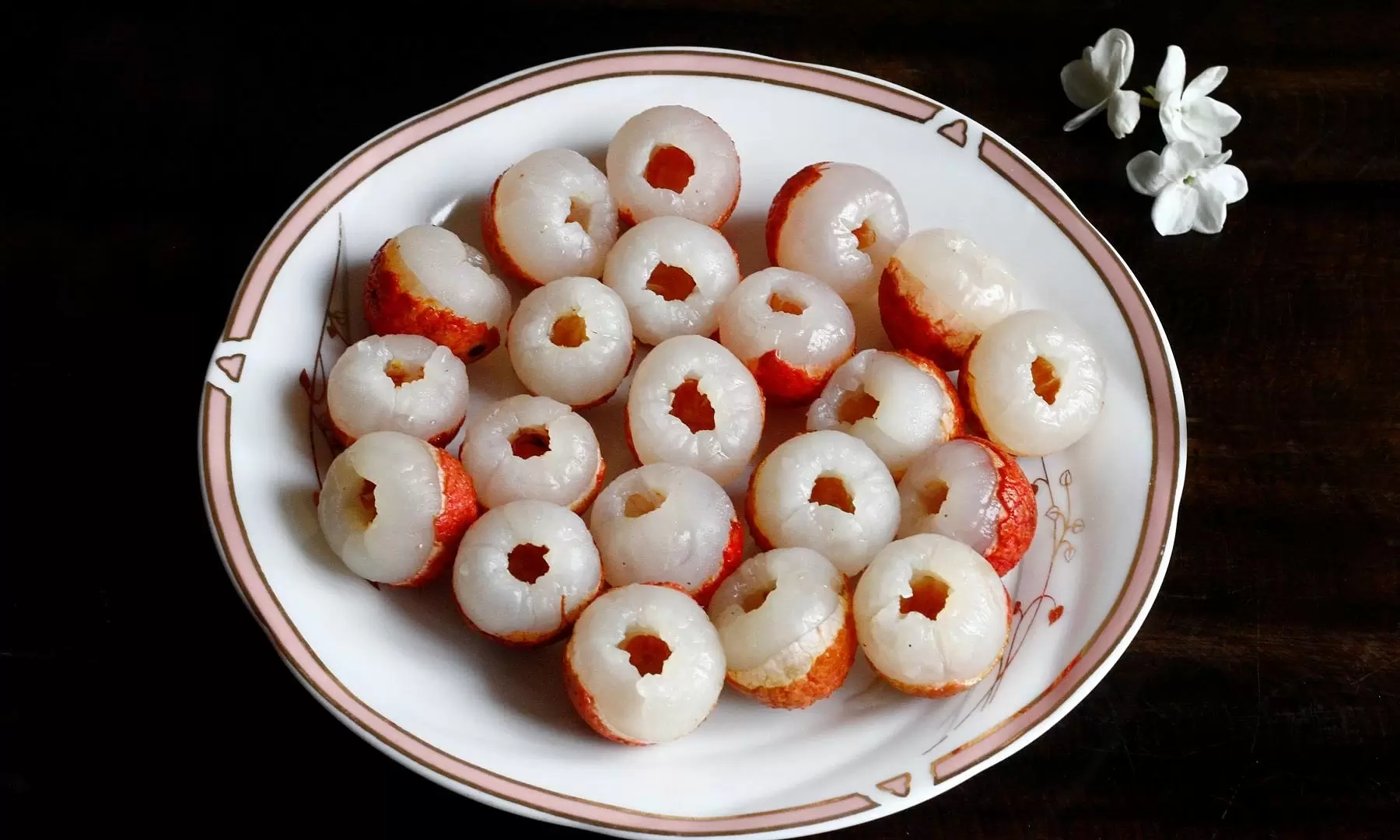
Mulberries contain healthy antioxidants but do not prevent nasopharyngeal cancer. *Dieu Thuan* |
Nasopharyngeal cancer has a high incidence, particularly among men. A significant 70% of patients are diagnosed in late stages, which complicates treatment and increases mortality. This is often because symptoms are non-specific and easily confused with common ailments. Beyond factors like diet, genetics, and smoking, about 60% to 70% of cases are caused by human papillomavirus (HPV) infection.
HPV is mainly transmitted through sexual contact, skin-to-skin contact, and from mother to child. Effective prevention strategies include maintaining a balanced diet, adopting a healthy lifestyle, avoiding smoking, practicing safe sex, undergoing regular health check-ups, and receiving the HPV vaccine.
Vietnam currently offers two HPV vaccines: Gardasil, recommended for females aged 9-26, and Gardasil 9, available for males and females aged 9-45. Given your age of 35, you would be eligible for Gardasil 9. This vaccine involves a three-dose regimen administered over six months, providing protection against nine HPV types: 6, 11, 16, 18, 31, 33, 45, 52, 58. It also significantly reduces the risk of certain cancers and genital warts.
Master of Science, Doctor Nguyen Van Quang
Medical Manager, VNVC Vaccination System
Readers can submit vaccine consultation questions to the doctor here.