Answer:
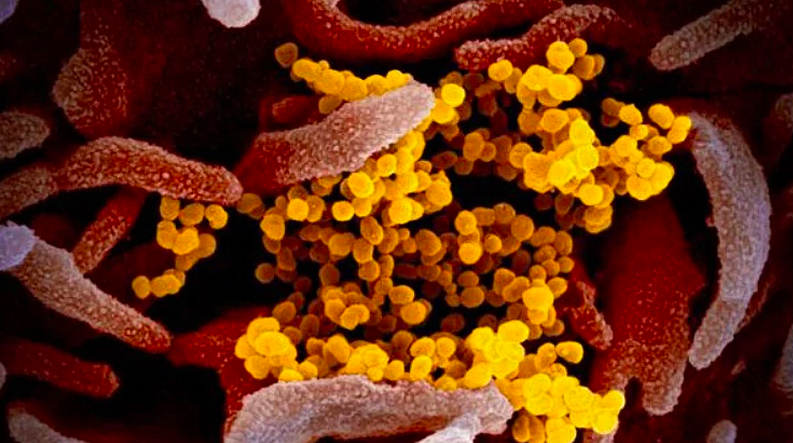
Rabies is an acute infectious disease caused by the rabies virus. This virus is abundant in the saliva of warm-blooded mammals, such as dogs, cats, rats, monkeys, and bats. It transmits to humans through bites, scratches, or licking open wounds or mucous membranes of the eyes, nose, and mouth. The incubation period ranges from a few days to several months, sometimes extending up to one year. Once symptoms like hydrophobia, aerophobia, photophobia, and excessive salivation appear, nearly 100% of patients die.
Even if a dog bite wound has healed, there is still a risk of contracting rabies. Vietnam has recorded numerous cases where dog bite wounds healed, but rabies symptoms only appeared several months later, leading to death because the individuals did not receive vaccination. A recent case involved a 6-year-old girl in Quang Tri who developed rabies on 9/3, three months after being bitten on her finger by a dog. Prior to this, a 14-year-old boy in Son La was bitten by a stray dog, leaving a 12 cm wound on his finger. Despite the wound healing, the boy contracted rabies and died. The dog that bit the boy also bit several other people; however, they did not contract the disease thanks to receiving the rabies vaccine.
 |
14-year-old boy in Son La contracted rabies after his dog bite wound had healed. Photo: National Hospital for Tropical Diseases
Vaccination is the only current method to prevent rabies. Vaccines activate the immune system, producing antibodies that identify and destroy the virus, thereby protecting the body. Therefore, anyone exposed to the rabies virus through a bite, scratch, or lick needs immediate rabies vaccination, as soon as possible. In cases of severe bites or scratches, multiple wounds, or wounds located near the central nervous system, extremities, or genitals, patients also need additional rabies immunoglobulin.
For your situation, Tuyet Khue, even though your wound has healed, you should visit a vaccination facility. A doctor will take your medical history, examine the wound, and provide appropriate vaccination recommendations.
Vietnam offers two types of rabies vaccines, from France and India. The vaccination schedule consists of 5 intramuscular doses or 4 intradermal doses administered within one month. Individuals who have not been scratched or bitten, but are at high risk of rabies exposure—such as veterinarians, zoo staff, or pet care workers—can receive pre-exposure prophylaxis. This regimen includes three vaccine doses on days 0, 7, and 21 or 28.
Those who have completed the full pre-exposure prophylaxis regimen or received a complete course for a previous bite only require two additional vaccine doses. They do not need rabies immunoglobulin, even if they sustain severe wounds from a subsequent scratch or bite.
In addition to vaccination, if bitten, scratched, or licked by a dog or cat on an open wound, you must clean the wound thoroughly under running water for 15 minutes. Afterward, disinfect it with 45-70 degrees alcohol or iodine alcohol to minimize the amount of rabies virus at the bite site, and seek rabies vaccination as soon as possible. Do not treat the wound with traditional herbal remedies or folk medicine, as this delays vital rabies prevention opportunities.
Dr. Nguyen Le Nga
(Medical Manager, VNVC Vaccination System)
Readers can submit vaccine consultation questions for a doctor to answer here.