Pneumonia is a serious and common respiratory illness in children under 5 years old, spreading rapidly, and a comprehensive prevention method has yet to be found.
Master, Doctor Pham Duc Tuan, from the Pediatrics Department at Tam Anh General Hospital Hanoi, explained that the illness can stem from bacteria, viruses, fungi, or parasites. These infectious agents invade the body, damaging lung tissue and alveolar sacs, leading to symptoms such as coughing, shortness of breath, chest pain, rapid breathing, and chest indrawing. Children often experience recurrent pneumonia, sometimes relapsing before full recovery and requiring hospitalization.
Weak immunity
A child's immature immune system results in poor resistance to pathogens. After each bout of pneumonia, children need time to recover. If a child does not receive proper care, experiences nutritional deficiencies, or contracts additional illnesses like a cold, flu, or sore throat during this period, their immune system weakens, allowing bacteria and viruses to re-attack.
Children with chronic underlying conditions
Children with conditions such as bronchial asthma, rhinosinusitis, chronic tonsillitis, or gastroesophageal reflux are more prone to recurrent pneumonia. These illnesses cause persistent airway inflammation and excessive fluid secretion, obstructing airflow and mucus drainage. Accumulated secretions in the lungs create a favorable environment for bacterial growth.
Malnourished children
Nutrition plays a crucial role in building the "immune barrier." Deficiencies in protein, vitamins A, C, D, zinc, or iron reduce antibody production, making the respiratory tract lining vulnerable to damage.
Polluted living environment
Children regularly exposed to cigarette smoke, fine dust, vehicle emissions, or charcoal stove fumes face a higher risk of respiratory inflammation. High humidity and mold in bedrooms or living areas also promote the growth of pathogenic microorganisms.
 |
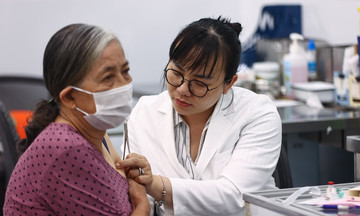
A pediatrician examines a young child. Photo: Provided by the hospital |
Doctor Tuan advises parents not to arbitrarily stop medication or skip follow-up appointments, even if their child's fever subsides and cough lessens. Stopping medication prematurely can prevent bacteria from being fully eliminated, allowing them to regrow and cause pneumonia.
During the winter-spring season, cold air, low humidity, and significant day-night temperature fluctuations cause respiratory airways to constrict, reducing airflow and creating favorable conditions for viruses and bacteria to thrive. Young children who are not kept warm are susceptible to rhinitis, pharyngitis, and bronchiolitis. Conversely, bundling children too much can lead to excessive sweating, which may result in colds and recurrent pneumonia.
Antibiotic misuse
Incorrect or insufficient antibiotic dosages lead to antibiotic resistance. When a child relapses, resistant bacteria are difficult to eliminate, prolonging treatment and increasing the risk of complications.
Frequent exposure to infection sources
Children exposed to infection sources while their bodies are still weak and their immune systems have not fully recovered from a previous bout of pneumonia face a high risk of reinfection. Viruses and bacteria can cross-infect when children cough, sneeze, or touch contaminated toys or hands.
To prevent recurrent pneumonia, parents must adhere to the doctor's treatment instructions. When medication is prescribed, parents need to administer the full dose for the correct duration, attend follow-up appointments, and boost the child's immunity through a balanced diet and breastfeeding during the first 6 months. Vaccinations such as pneumococcal, Hib, flu, and measles are also crucial.
Maintain a clean and well-ventilated living environment for children, free from smoke and dust. In cold weather, children should dress warmly but not be excessively bundled. Families should keep room temperatures stable and maintain humidity at 40-60%. Children should drink enough water, wash their hands frequently, and wear masks when outdoors.
Trinh Mai
| Readers can send questions about pediatric diseases here for doctors to answer. |