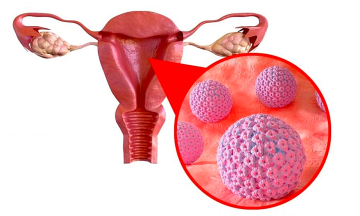
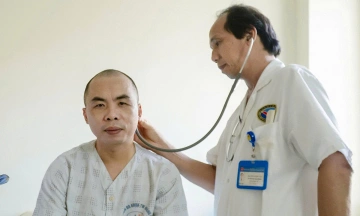
Dr. Huynh Thanh Loan, a specialist level one physician at the Obstetrics and Gynecology Center, Tam Anh General Hospital Ho Chi Minh City, stated that Ms. Ngan was infected with high-risk HPV strain 18, which can cause cervical cancer. She had a mild lesion on the outer surface of her cervix, along with some areas suspected of having severe lesions within the cervical canal.
Doctors performed a loop electrosurgical excision procedure (LOOP) for cervical conization under short-term anesthesia. This procedure aims to both diagnose and remove the majority of the affected area.
 |
Ekip bac si thuc hien khoet chop co tu cung cho chi Ngan. Anh: Benh vien Da khoa Tam Anh
Currently, LOOP cervical conization is a common technique for treating precancerous lesions. According to Dr. Loan, this method offers many benefits to patients, including quick execution, minimal invasiveness, precision, limited damage to healthy tissue, and combined treatment with diagnosis. Patients experience less pain and bleeding, often able to be discharged on the same day.
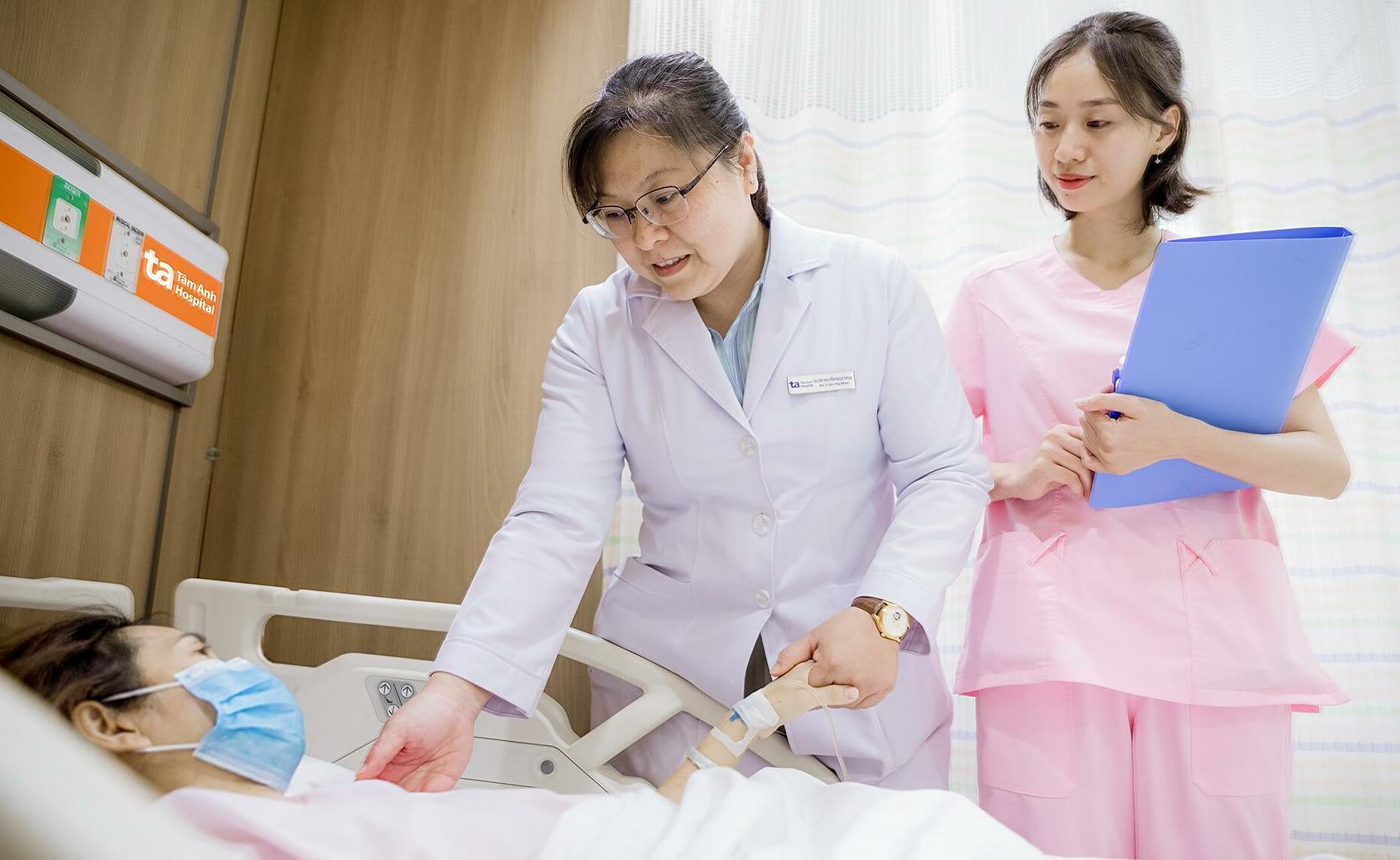 |
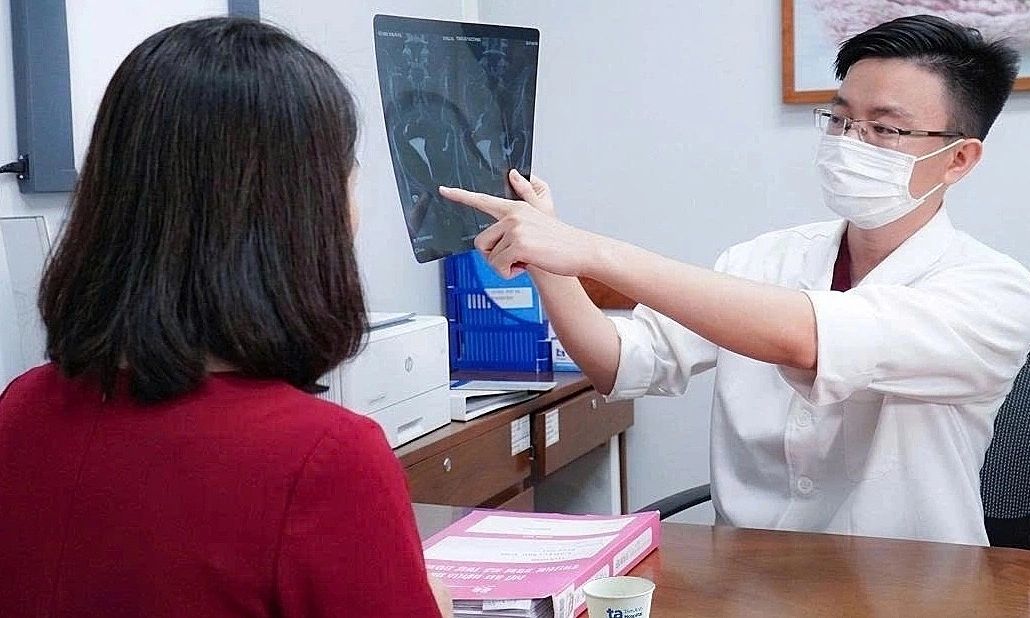
BS.CKII Nguyen Ngoc Thoai kham cho chi Ngan truoc xuat vien. Anh: Trung Vu
HPV strains 16 and 18 are high-risk strains and the leading cause of cervical cancer. They can persist and progress silently for many years without symptoms, often leading to late-stage detection in many cases.
Dr. Loan advises women who have been sexually active, even without unusual gynecological symptoms, to undergo cervical cancer screening using a Pap smear and/or an HPV test. Cervical cancer screening methods are simple, painless, and affordable. When the disease is detected at an early stage, timely intervention leads to higher treatment effectiveness and reduces the risk of progression to cervical cancer.
After cervical conization, patients need to attend follow-up appointments as scheduled to monitor for recurrence or persistent lesions.
Dr. Loan recommends that females aged 9-45 years old receive the HPV vaccine (if not already vaccinated). This can reduce the risk of infection with dangerous virus strains that cause cervical cancer and precancerous lesions, especially the two high-risk strains (HPV 16 and 18). The Ministry of Health has approved extending the age for vaccination against cervical, vulvar, vaginal, anal, oropharyngeal cancers, genital warts, and penile cancer caused by 9 HPV strains for both males and females up to 45 years old.
Minh Tam
*Patient's name has been changed
| Readers can submit questions about obstetrics and gynecology here for doctors to answer |