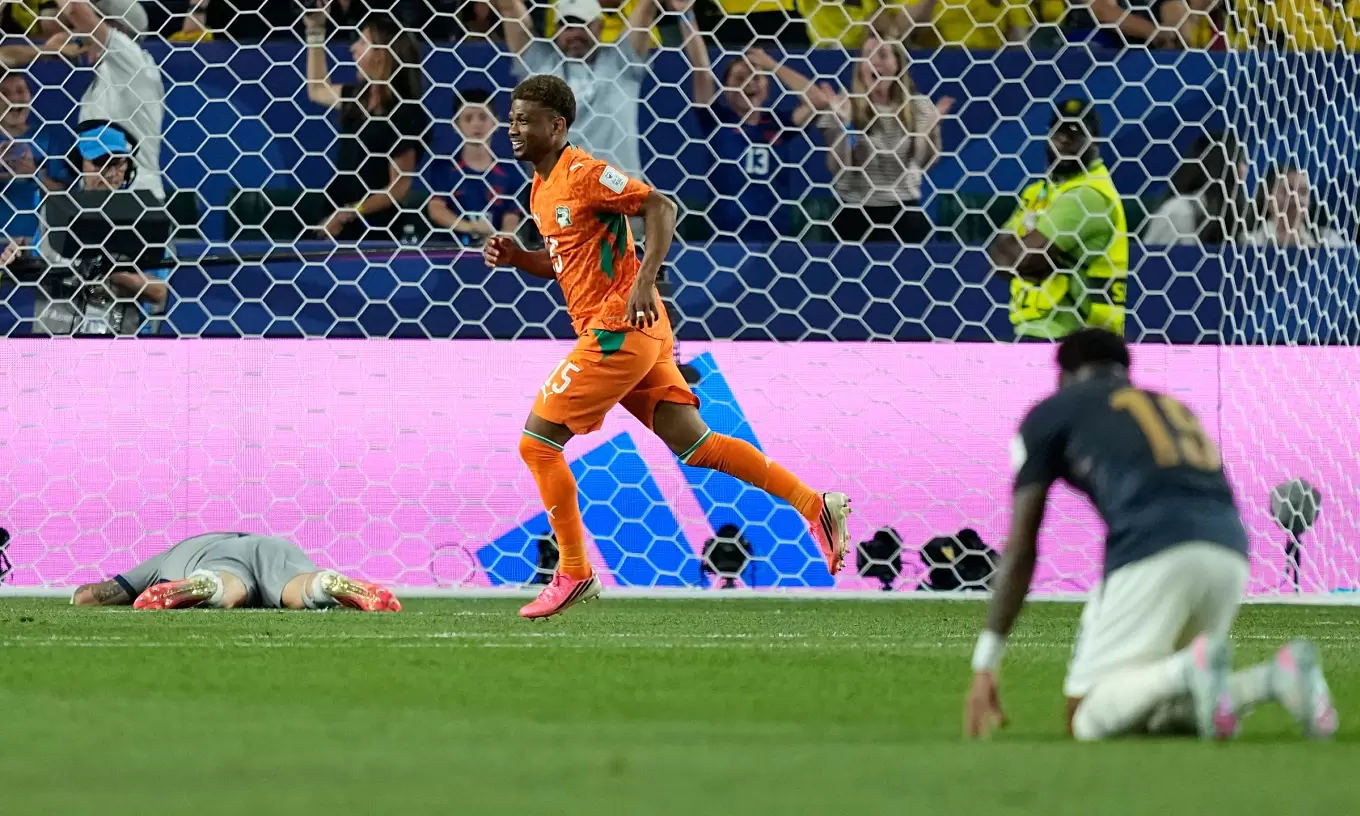
Watching a sports match can be as stressful for the heart as actively participating in one. Master of Science, Doctor Pham Hoang Trong Hieu, from the Interventional Cardiology Center, Tam Anh General Hospital TP HCM, stated that while exciting football matches bring exhilaration, many also experience discomfort when their favorite team fails to win. These emotional states can trigger a heart attack, particularly in individuals with underlying cardiovascular conditions.
Doctor Hieu explained that several factors contribute to this condition. Firstly, during a match, the sympathetic nervous system is strongly stimulated, causing a surge in stress hormones like cortisol and especially catecholamines (such as adrenaline and noradrenaline) in the body. These hormones increase heart rate, constrict blood vessels, and elevate blood pressure, which can lead to the rupture of existing atherosclerotic plaques within the arteries and the formation of blood clots.
Many individuals sit for hours, even staying up all night, to watch football. During this time, they often skip main meals, opting instead for fast food like potato chips, snacks, and dried beef, often accompanied by alcohol and cigarettes. Those with underlying medical conditions may also forget to take their prescribed medication. All these factors combined can lead to acute heart attack symptoms.
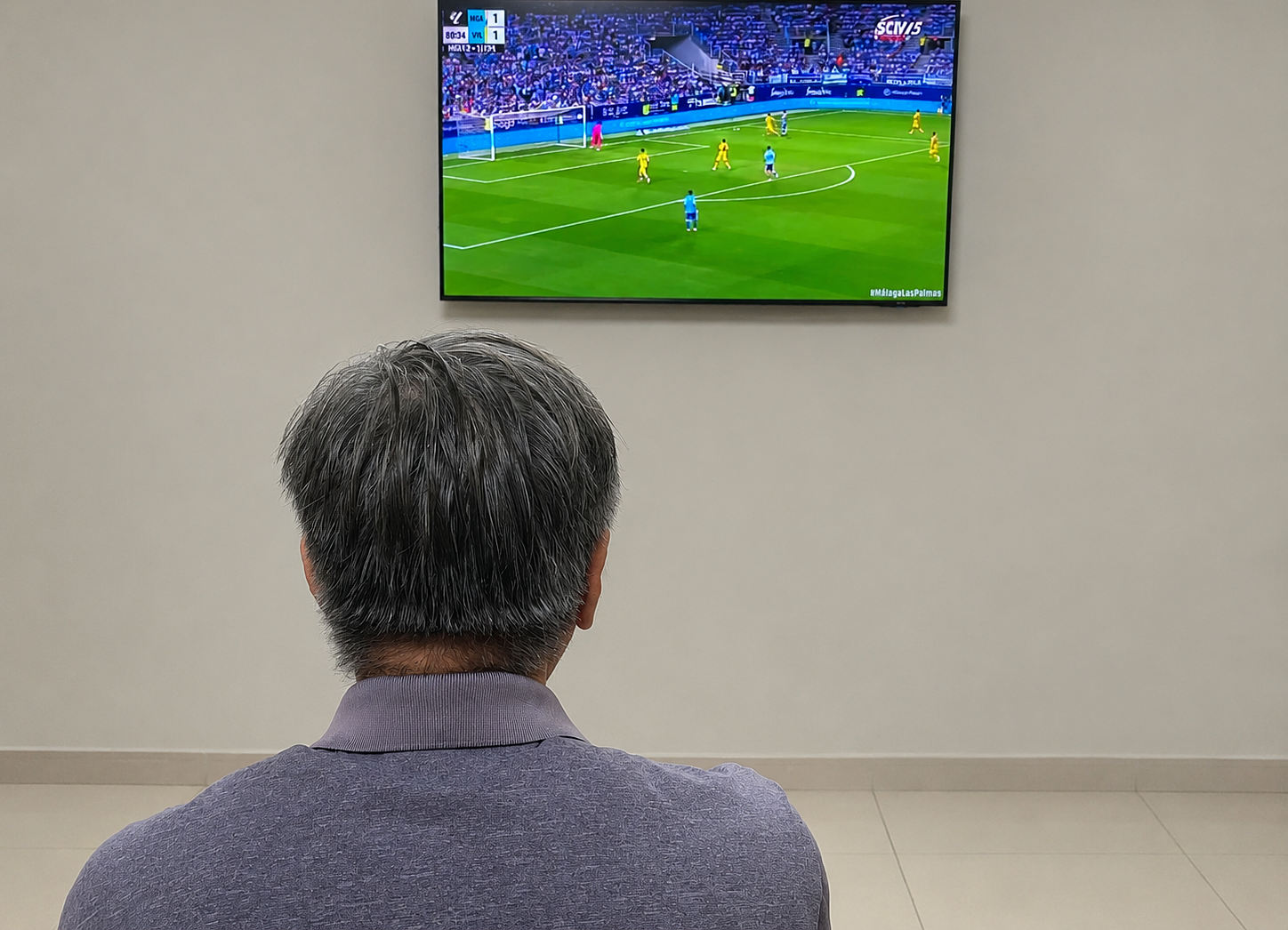 |
Individuals should limit their football viewing time to avoid stress. *Photo: Tam Anh General Hospital* |
To protect health during the World Cup season, Doctor Hieu advises cardiovascular patients to observe the following:
Take medication as prescribed: Take medication on time and at the correct dosage to ensure treatment efficacy and prevent dangerous complications from delays or discontinuation. If a dose is missed, never double the next dose to avoid side effects.
Exercise regularly: Regular physical activity helps reduce the risk of cardiovascular disease and conditions that can stress the heart, such as high blood pressure, high cholesterol, and type 2 diabetes.
Maintain proper nutrition: A healthy diet helps improve blood pressure and cholesterol. Prioritize plenty of vegetables and fruits, lean meat, fish, legumes, low-fat or fat-free dairy products, whole grains, and healthy fats. Limit foods high in salt, sugar, carbohydrates, alcohol, and saturated fats. Avoid fast food and processed foods.
Avoid prolonged television viewing: A University of Hong Kong study, published in BMC Medicine in 2022, analyzed data from over 373,000 British individuals aged 40-69. Results showed that compared to those who watched television for 4 hours or more daily, individuals who watched for no more than one hour had a 16% lower risk of coronary artery disease; for those watching 2-3 hours daily, the risk was 6% lower. Therefore, limiting prolonged television viewing can prevent cardiovascular risks.
Doctor Hieu advises cardiovascular patients not to watch football on tivi for continuous hours, recommending adequate rest between matches.
Get sufficient sleep: Cardiovascular patients should prioritize good sleep during the World Cup season. Individuals who sleep less than 7 hours per night or experience poor sleep quality have a higher risk of obesity, high blood pressure, heart attack, diabetes, and depression. It is advisable to minimize staying up late to watch football.
Do not smoke: Chemicals in tobacco can damage the heart and blood vessels. Tobacco smoke reduces oxygen levels in the blood, leading to increased blood pressure and heart rhythm disorders.
Manage emotions: While watching football, try to control levels of stress and excitement. During breaks between halves, stand up and walk around, perform a few exercises, or relax your mind and take deep breaths.
According to Doctor Hieu, individuals at high risk of a heart attack should stop or limit watching stressful matches. If, while watching a match, symptoms such as chest pain radiating to the arm or jaw, indigestion, bloating, nausea, cold sweats, or a rapid heart rate occur, the patient should promptly go to the hospital.
Thu Ha