Iron is an essential mineral vital for red blood cell formation, oxygen transport, energy production, immune support, and cellular protection, according to the Times of India. Iron deficiency can manifest as fatigue, weakness, headaches, hair loss, and cold extremities. Daily iron requirements vary by age, gender, and physiological status. Adults generally need 8-18 mg of iron daily, while pregnant women require approximately 27 mg.
Vitamin A and beta-carotene enhance the body's utilization and absorption of iron. Foods rich in these nutrients include: carrots, pumpkin, sweet potatoes, papaya, mango, and dark green leafy vegetables. Combining these with iron sources such as red meat, beans, or green vegetables can improve iron absorption and support red blood cell production.
Overcooking vegetables can diminish their vitamin C content, as reported by WebMD. Vitamin C is a nutrient that significantly aids the absorption of non-heme iron (plant-based iron) by converting it into a more readily absorbable form. To minimize vitamin C loss, steam, boil, or stir-fry vegetables for brief periods. Consuming iron-rich foods alongside vitamin C sources like oranges, guava, kiwi, or bell peppers can further boost iron absorption.
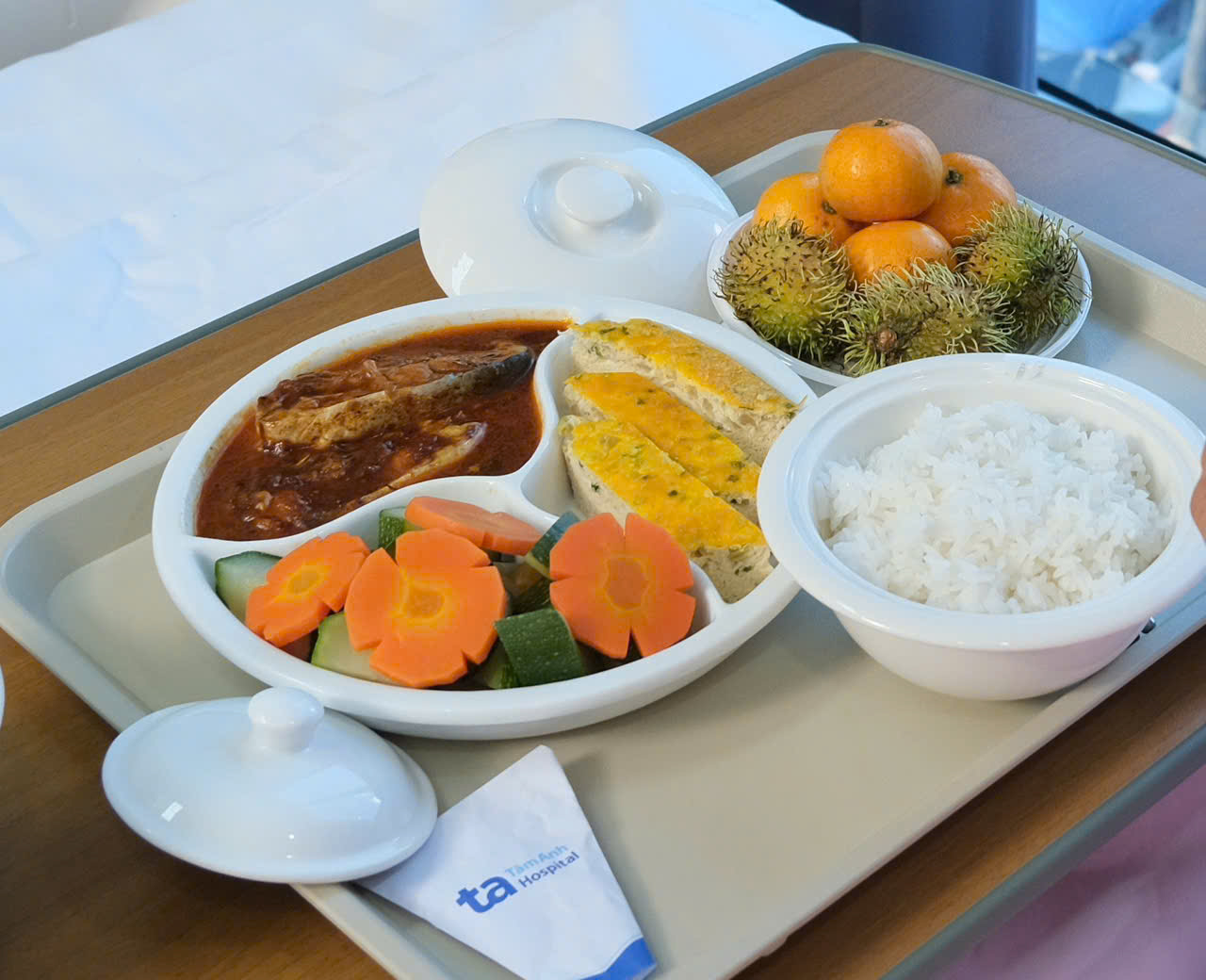 |
Diet with fish, carrots, eggs helps the body supplement iron. Photo: *Benh vien Da khoa Tam Anh*
Raisins are a nutrient-dense food, providing iron essential for red blood cell production and oxygen delivery to body organs, including the brain. Adequate iron intake supports concentration, memory, and helps reduce the risk of anemia and symptoms such as fatigue and dizziness. Beyond iron, raisins offer fiber, potassium, and various antioxidant compounds that promote digestive health and overall well-being. However, due to their natural sugar content, moderation is key; consuming about 15-30 g per day allows for nutritional benefits without a significant calorie increase, as suggested by Eating Well.
When figs are dried, their water content decreases, concentrating many nutrients, including iron, more than in fresh fruit. Dried figs also supply fiber, potassium, and beneficial vitamins.
In addition to fruits and vegetables, individuals should consume appropriate amounts of iron-rich foods to meet daily needs. These include: red meat, poultry, seafood, eggs, beans, and animal liver.
Le Nguyen (Compiled)
| Readers can submit nutrition questions here for doctors to answer. |