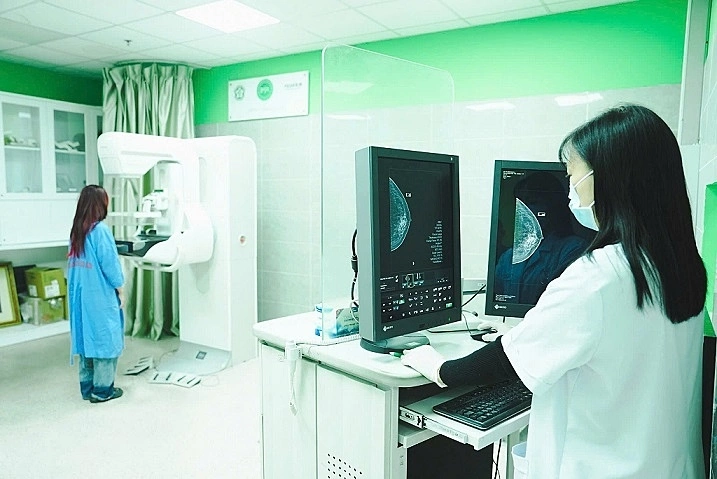
Associate Professor, Doctor Pham Cam Phuong, Director of the Center for Nuclear Medicine and Oncology at Bach Mai Hospital, notes that cervical and ovarian cancer are two common gynecological cancers among women. Over 90% of cervical cancer cases are linked to high-risk human papillomavirus (HPV), particularly HPV types 16 and 18.
HPV can lie dormant in the body for 10 to 20 years before inducing cellular changes that lead to cancer. Consequently, sexually active women are at risk of developing the disease without regular screening.
Ovarian cancer, however, often involves endocrine and genetic factors. High-risk groups include: those with a family history of breast, ovarian, or colorectal cancer; women experiencing infertility, subfertility, or having few children; and individuals with a history of chronic gynecological conditions.
The Center for Nuclear Medicine and Oncology frequently treats gynecological cancer cases in advanced stages. Many patients are shocked by a diagnosis of advanced cervical or ovarian cancer, despite having lived and worked normally beforehand. Most of these individuals had prior warning signs that were either overlooked or mistaken for common ailments.
According to Doctor Phuong, early-stage gynecological cancer typically progresses silently. Many symptoms are easily confused with routine gynecological or digestive issues. Abnormal vaginal bleeding stands out as one of the most critical warning signs.
Pay close attention to bleeding between menstrual cycles, after sexual intercourse, or post-menopause. Additionally, unusual vaginal discharge – appearing yellow, green, or bloody, and accompanied by an unpleasant odor – warrants prompt medical evaluation.
Many individuals also dismiss feelings of bloating, abdominal distension, or early satiety. If these symptoms persist for over two weeks, particularly when coupled with frequent urination or constipation, it is crucial to consider the potential presence of an ovarian tumor developing and compressing nearby organs.
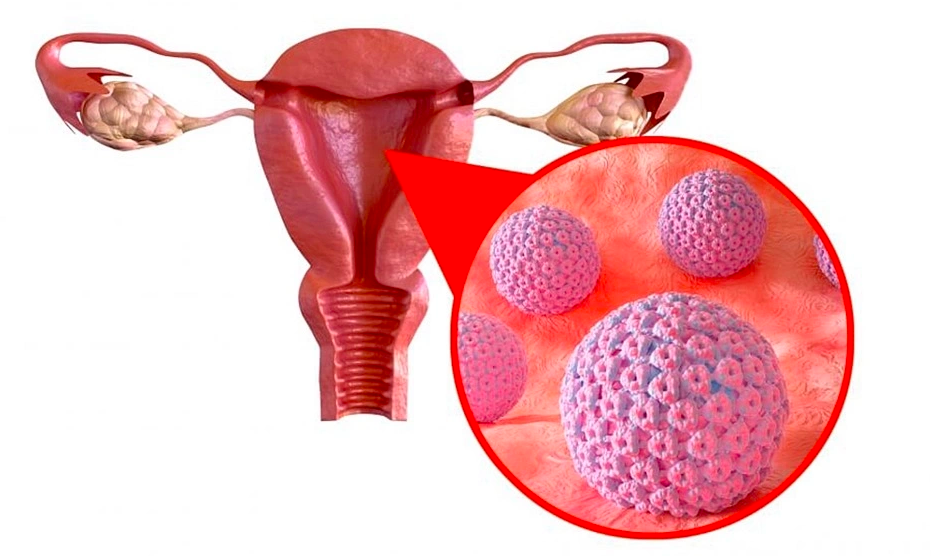 |
Simulation of a cervical cancer tumor. Photo: MedTour |
Detecting cervical cancer and many ovarian cancer cases early, even at the pre-cancerous lesion stage, significantly improves outcomes. Timely diagnosis and treatment substantially increase the chances of successful recovery, preserve reproductive function, and enhance patients' quality of life.
Rather than waiting for clear symptoms to manifest, women should proactively undergo regular gynecological examinations and follow doctors' recommendations for screening tests.
Le Nga