A vegetable soup, labeled as "longevity and anti-cancer", recently gained attention in Taiwan. It is essentially a recipe combining four common vegetables: cabbage, carrots, onions, and pumpkin.
This recipe was initiated by Japanese doctor Hiroshi Takahashi, a former researcher at the Dana-Farber Cancer Institute, Harvard Medical School. He introduced a method of cooking soup without seasoning to utilize natural antioxidants and fiber, supporting the reduction of inflammatory responses and metabolic stress in the body.
The cook retains the skins of the pumpkin and carrots after washing them thoroughly, chops the four ingredients into equivalent portions of about 100 grams each, boils them with one liter of water, then simmers for 20 minutes. The dish requires completely abstaining from salt, sugar, and MSG, relying on the natural sweetness of the vegetables for the body to absorb maximum water-soluble nutrients.
The true value of this dish lies in the standard combination of longevity diet principles—a model with many similarities to the globally acclaimed Mediterranean diet.
Research from reputable health organizations worldwide indicates that all diets aimed at promoting longevity share a common direction, revolving around three fundamental elements:
Focus on whole, plant-based foods
The foremost principle is to prioritize foods in their natural state, untouched by industrial refining. In the daily diet, green vegetables, fruits, legumes, and whole grains must constitute the largest proportion.
Assistant Professor Liao Yi-ching from the Department of Nutrition at Chung Shan Medical University (Taiwan, China) explains that whether it's the Mediterranean diet, the Nordic diet, the Okinawa diet, or the DASH diet for preventing hypertension, all are closely linked to reducing mortality rates.
A key commonality among these models is their focus on plant-based sources, minimizing red meat and processed products, while utilizing natural herbs and spices for seasoning to reduce the metabolic burden on internal organs.
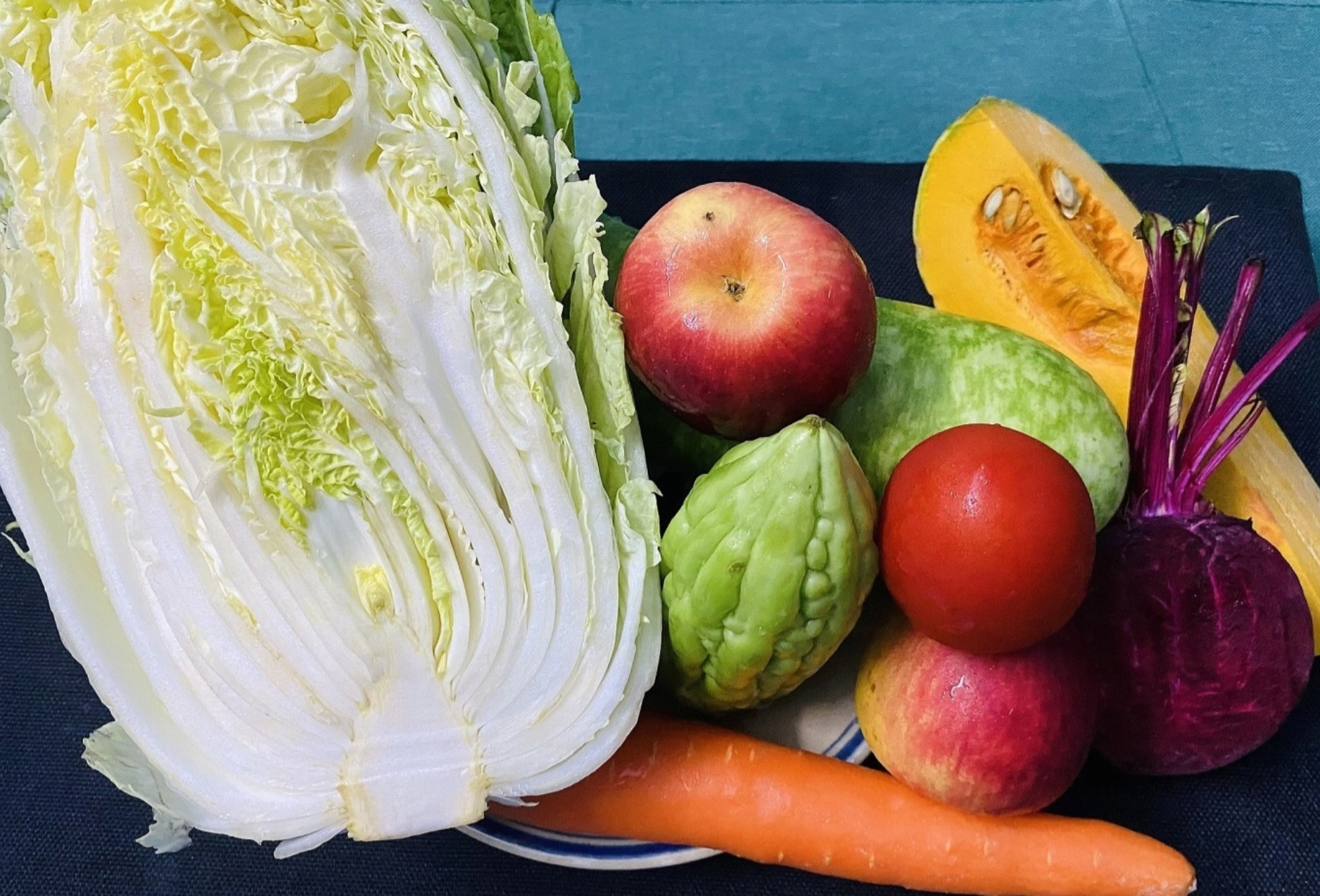 |
To live a healthy, long life, green vegetables, fruits, legumes, and whole grains must constitute the largest proportion of the daily diet. *Photo: Ha Phuong*
Prioritize good fats, eliminate bad fats
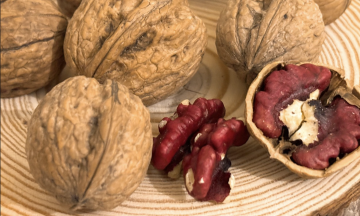
The second factor determining meal quality is the source of fats. Instead of using harmful saturated fats and animal fats, a longevity diet requires practitioners to shift towards sources of "good" unsaturated fats (such as cold-pressed vegetable oils, fats from seeds, and nuts).
Hou Ming-chih, deputy director of Taipei Veterans General Hospital (Taiwan, China), warns that consuming excessive bad fats – especially during festivals and parties – will place a heavy burden on blood vessels and the metabolic system. Long-term accumulation of excess energy will promote chronic inflammatory responses, directly threatening liver function and the digestive system.
Reduce salt and sugar, strictly avoid ultra-processed foods
Eating bland, light meals and strictly controlling sugar and salt intake are essential conditions for protecting the body. Specifically, abstaining from ultra-processed items and pickled foods is a crucial key to maintaining a healthy gut microbiome.
Doctor Fu Chung-jui, a specialist in Gastroenterology and Hepatobiliary at Changhua Show Chwan Memorial Hospital (Taiwan, China), states that the habit of over-consuming fast food and pre-packaged items leads to micronutrient deficiencies and disrupts the balance of the gut microbiome. Consistently consuming whole foods is the root solution to protect the intestinal lining and prevent diseases early.
Beyond the three nutritional factors, experts note that immunity cannot be maintained by "willpower" alone. Doctor Lin Yi-tsung, Director of the Infection Control Center at Taipei Veterans General Hospital, further emphasizes the role of food safety, as contaminated food will trigger inflammatory responses and immediately weaken the immune system.
A healthy and long-lived body cannot rely solely on a bowl of soup or a single food item, but requires a comprehensive combination of healthy nutrition, regular exercise habits, quality sleep, and daily stress management.
My Y (According to Yahoo TW)