Fatty fish
According to Eating Well, omega-3s are a group of essential fats for the body, comprising three main forms: EPA, DHA, and ALA. Fatty fish provide EPA and DHA, which help maintain a normal heart rhythm and support blood vessel function. You can prepare fish by steaming, boiling, or grilling; limit deep-frying and avoid excessive salting. Eating fish instead of some red meat also helps reduce saturated fat intake.
Chia seeds
Chia seeds are rich in ALA, a plant-based omega-3. Add chia seeds to oatmeal, plain yogurt, or smoothies. These seeds also provide fiber, increasing the nutritional value of your meals. You can consume about one to two tablespoons (15-20 g) of chia seeds daily; soak them in water or milk until soft before eating.
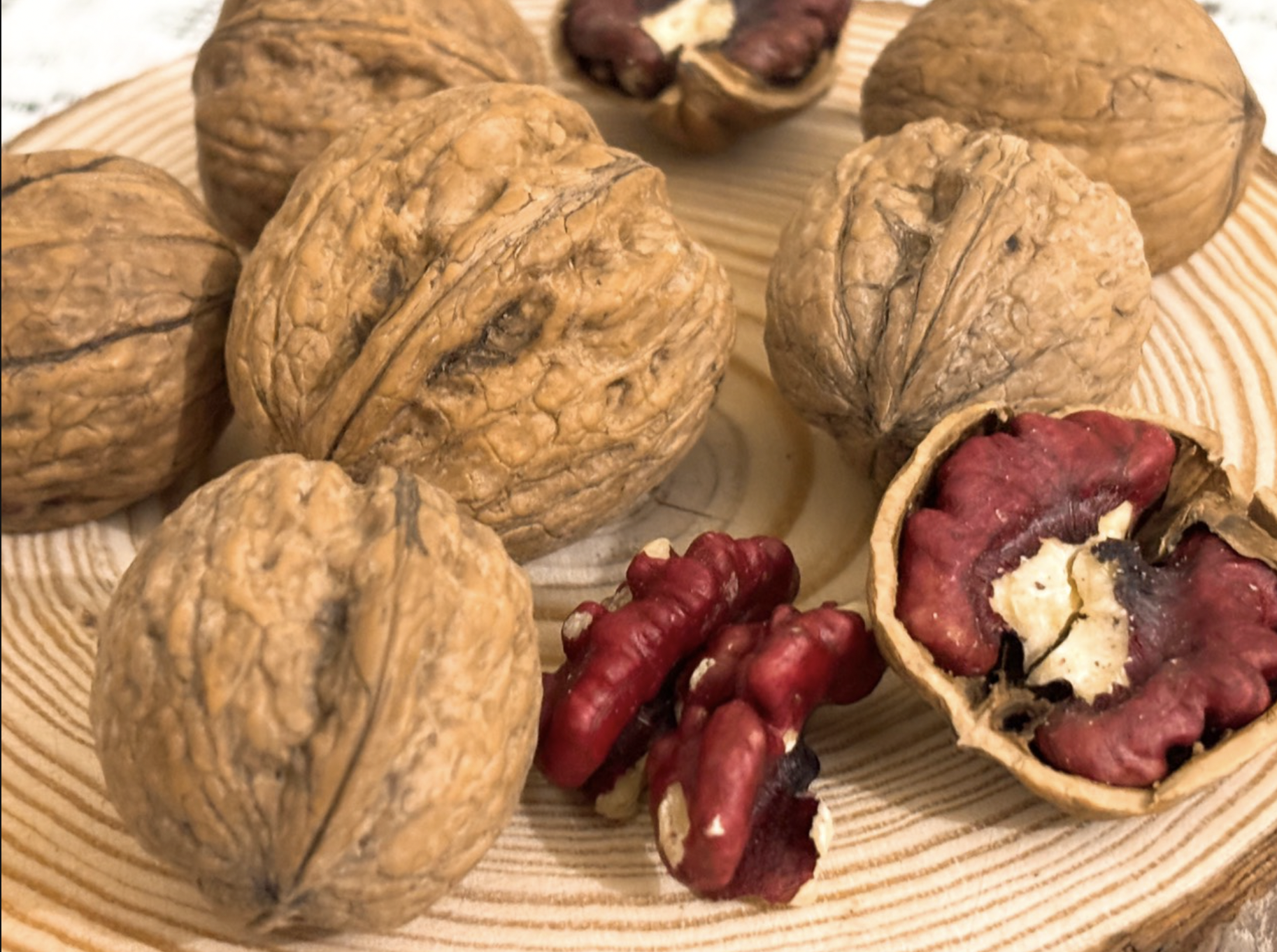 |
Walnuts are rich in good fats. *Bao Bao*.
Walnuts
Walnuts provide ALA and unsaturated fats. Individuals can eat them as a snack or add them to salads, oatmeal, or yogurt. Choose unsalted, unsweetened varieties without other coatings.
Flaxseeds
In addition to being rich in ALA, flaxseeds also contain fiber and lignans, a group of plant compounds with antioxidant activity. Grind or crush flaxseeds and mix them into oatmeal, yogurt, smoothies, or sprinkle them on salads. Ground flaxseeds should be stored in an airtight container, in a cool place, or in the refrigerator to prevent fat oxidation. When increasing flaxseed intake, individuals should drink enough water to help their bodies adapt to the fiber content.
Soybeans
Soy products like tofu provide ALA and are rich in plant protein. Tofu is versatile and can be incorporated into meals through soups, steamed dishes, braises, or stir-fries with vegetables. Replacing some meat in meals with soy helps diversify protein and fat sources, according to *Times of India*.
Canola oil
Canola oil provides ALA, contains monounsaturated fats, and is low in saturated fat. Using this oil for cooking, sauteing vegetables, pan-frying, or in salad dressings is a simple way to add beneficial fats to your diet. Substituting vegetable oil for butter, animal fat, or other sources of saturated fat also helps protect cardiovascular health.
Beyond diet, regular exercise strengthens cardiovascular health and helps manage weight, blood pressure, and blood sugar. Adults should engage in activities like brisk walking, cycling, swimming, or other suitable intensity exercises.
Avoiding smoking is also crucial, as substances in tobacco smoke can damage blood vessels and increase the risk of heart disease. Individuals should get enough sleep, maintain stable mental well-being, limit alcohol, and have regular health check-ups.
*Le Nguyen (Compiled)*
| Readers can submit questions about cardiovascular disease here for a doctor's response. |