In recent days, the "radiation cooling" weather pattern has caused significant daytime temperature fluctuations. Mornings are often freezing cold and foggy, but by noon, the sun quickly rises, bringing warmth. Doctor Nguyen Huy Hoang, from the Vietnam Undersea and Hyperbaric Medicine Association, noted that this situation forces the body to constantly adapt, placing considerable pressure on the cardiovascular system.
According to Doctor Hoang, sudden temperature changes over a short period are as dangerous as extreme hot or cold weather. Blood pressure and heart rate fluctuate sharply, further overloading the vascular system, which is already under pressure during the cold season.
The danger lies in the "constriction-dilation" cycle of blood vessels. Upon waking, blood is often thicker, and heart rate and blood pressure naturally increase, making this a sensitive time prone to adverse events. Stepping immediately into a cold environment causes subcutaneous blood vessels to constrict to retain heat, raising blood pressure and forcing the heart to work harder. Conversely, when the sun rises, temperatures increase, or the body suddenly contacts a warm environment (such as a hot bath), blood vessels dilate rapidly.
In the elderly, individuals with underlying medical conditions (cardiovascular issues, hypertension), those who consume alcohol, or those taking diuretics, vascular wall regulation is less flexible. When vessels dilate rapidly, a sudden drop in blood pressure causes blood to rush to the skin, reducing blood flow to the brain. This can easily lead to dizziness, falls, or even myocardial infarction or stroke.
The phenomenon of "radiation cooling" occurs when skies are clear at night, and the ground radiates heat quickly, making the air layer near the surface colder than the layer above, creating a temperature inversion. This cold air layer traps fine dust and pollutants, making the morning environment both freezing cold and toxic. The respiratory and cardiovascular systems thus endure a dual impact from low temperatures and air pollution.
Everyday situations also pose a risk of thermal shock. Moving from a warm bedroom to a cold hallway, entering the bathroom, and then immediately contacting hot water causes forced blood vessel dilation. A rapid drop in blood pressure in this situation can easily lead to transient cerebral ischemia, causing dizziness, fainting, or arrhythmia.
To prevent these issues, Doctor Hoang advises people to adjust their daily habits. Upon waking, one should not immediately throw off the blanket and get out of bed; instead, move gently to allow the body to adjust. When leaving a warm bedroom, wear an extra layer, put on socks, and close some windows to prevent drafts.
Elderly individuals and those with cardiovascular conditions should postpone exercise until later, waiting for the sun to rise and temperatures to stabilize. Limit outdoor activities in the early morning on foggy days with a high air quality index (AQI). If going outside is necessary, wear a fine dust filter mask to protect the lungs and heart.
The bathing routine also requires careful attention. The ideal bathing water temperature is 37-40 degrees Celsius. Absolutely do not bathe immediately after waking up, after drinking alcohol, or after a full meal. Pour water over limbs gradually up to the body, avoiding direct hot water on the head. People with a history of medical conditions should bathe in the afternoon, prioritize bathing while seated, and not lock the bathroom door so family members can provide timely assistance in case of an incident.
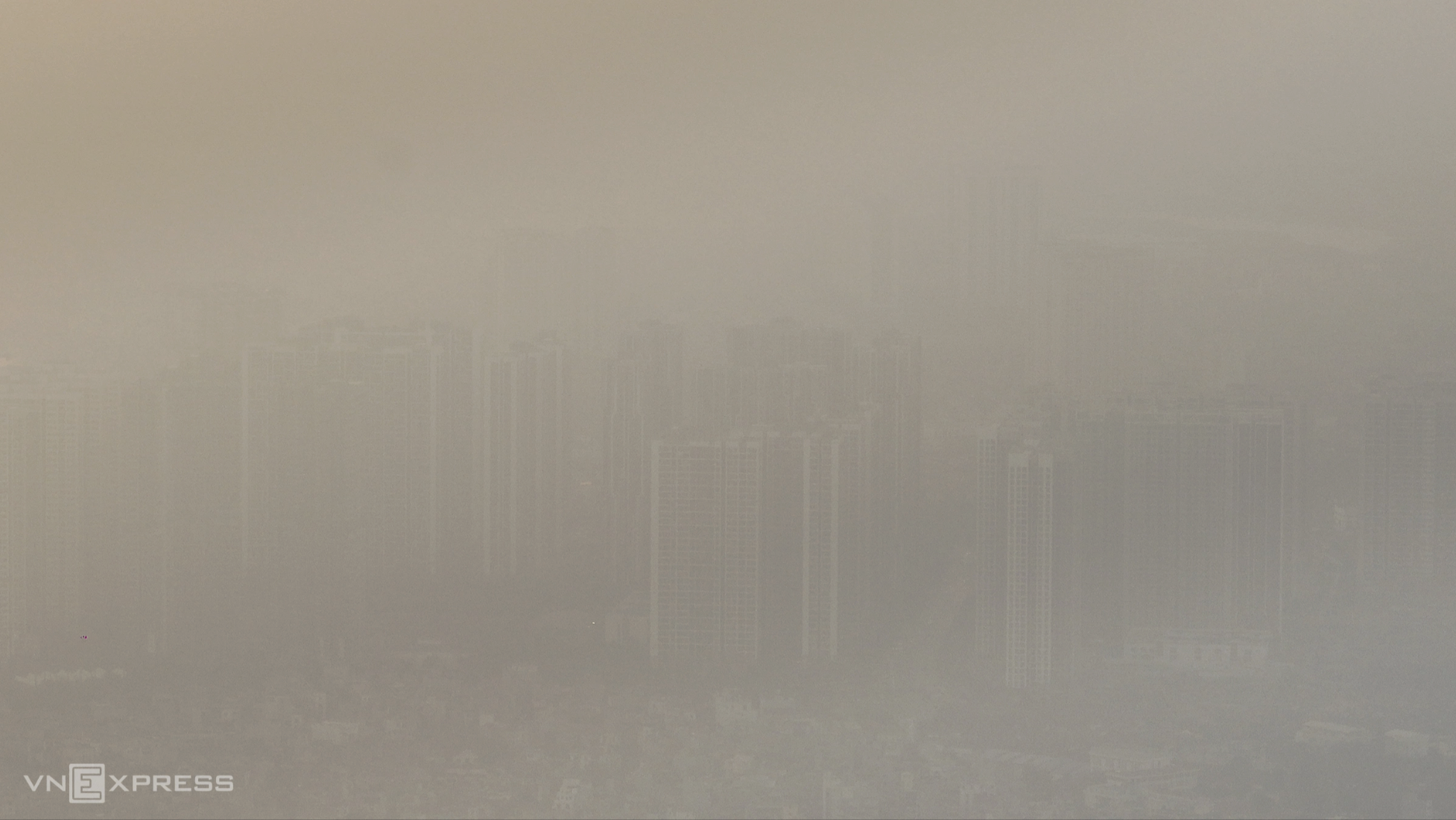 |
Hanoi foggy due to pollution, late 12/2025. Photo: Hoang Giang |
Doctors warn of groups of people who need caution when temperatures fluctuate:
- Elderly individuals: Their blood vessels are hardened and less elastic, and their blood pressure regulation reflex is slow. When temperatures change rapidly, blood vessels struggle to constrict or dilate in time. Even a deep cold spell in the morning followed by rapid warming at noon can cause significant blood pressure fluctuations, increasing the risk of stroke, fainting, and myocardial infarction.
- Individuals with hypertension, coronary artery disease, heart failure, or arrhythmia need caution, especially in the morning when blood pressure naturally tends to rise.
- People who have had a stroke or myocardial infarction often have many atherosclerotic plaques and damaged blood vessel areas. Sudden hot-cold blood pressure "shocks" can increase the risk of recurrence.
- Individuals with chronic diseases such as diabetes, chronic kidney disease, dyslipidemia, or obesity, compounded by the effects of antihypertensive, diuretic, and vasodilator medications, may experience a drop in blood pressure when the environment warms up quickly or when standing up suddenly.
- Young children and people with chronic respiratory diseases like bronchial asthma or chronic obstructive pulmonary disease (COPD) are affected by radiation cooling and morning temperature inversion, especially when combined with fine dust and pollutants trapped near the ground. This can increase asthma exacerbations, bronchitis, and difficulty breathing.
Thuy An