Ms. Mai experienced a severe burn of approximately 7 cm on her lower leg after boiling oil from a pan spilled onto her. After more than one month, the burn had not healed, showing deep ulceration and inflammation.
Dr. Vo Thi Tuong Duy, a specialist in dermatology and skin aesthetics at Tam Anh General Clinic District 7, explained that Ms. Mai's burn caused deep damage to the dermis layer. The injury was located on the lower part of her lower leg, an area prone to dirt contamination, difficult to clean, and with poorer blood circulation compared to other body parts. This was likely the reason the wound was slow to form new skin.
According to Dr. Duy, the recovery time for each burn varies. If the damage is confined to the epidermis, the skin can regenerate quickly with proper care. Conversely, deep burns extending to the dermis or deeper prolong the healing process, increasing the risk of ulcers, infection, and scarring.
For a burn to heal completely, it must progress through several stages: inflammatory response, cleaning of damaged tissue, granulation tissue formation, and regeneration of new skin. In Ms. Mai's case, the deep burn on her lower leg, an area frequently subjected to pressure when standing and walking, made recovery difficult and slowed epithelialization. Extensive tissue damage and persistent inflammation further prolonged the recovery stages.
Dr. Duy developed a treatment regimen combining infection control, local wound healing environment regeneration, and cold plasma ray therapy. This therapy was administered 8-10 times every two to three days to support the healing process.
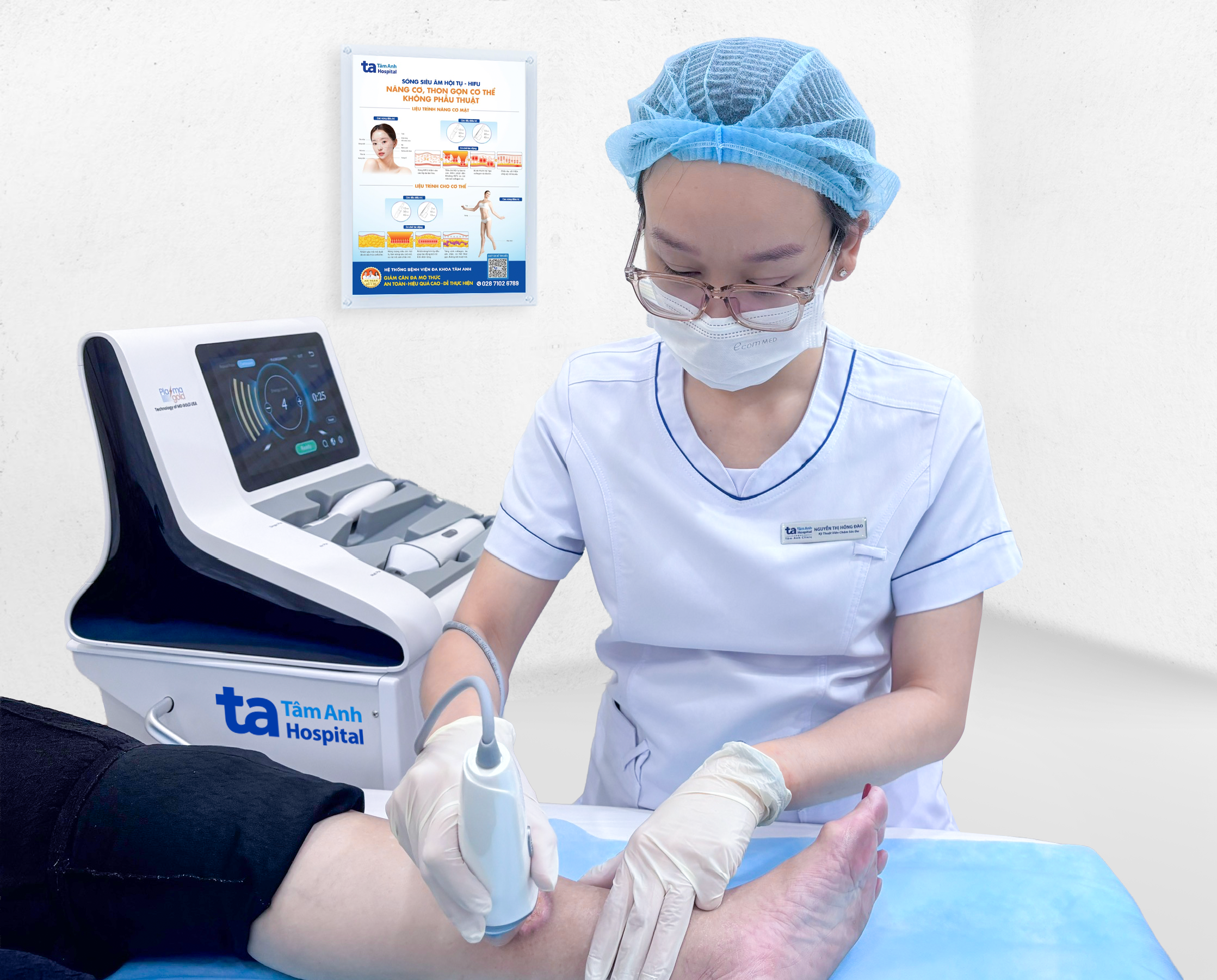 |
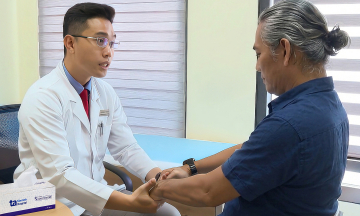
Ms. Mai receiving cold plasma ray therapy to aid wound healing. *Photo: Tam Anh General Hospital* |
Dr. Duy explained that cold plasma is a technology that generates a low-temperature plasma stream. This stream contains active oxygen and nitrogen species capable of acting on the wound surface without causing thermal burns to healthy tissue. This method helps reduce bacterial load, supports inflammation control, stimulates fibroblasts to proliferate collagen, promotes new blood vessel formation, and enhances epithelialization, thereby helping wounds close faster. Unlike merely treating the surface of the injury, this method creates a favorable environment for new tissue growth, especially in wounds that are difficult to heal or have persisted for many weeks.
After 4 treatments, the ulcer gradually narrowed, granulation tissue developed better, new skin formed, and pain and itching significantly reduced. Ms. Mai needs to continue the treatment regimen until the wound fully recovers.
The doctor advised that people with thermal burns should quickly cool the affected area under cool running water for about 20 minutes. Afterward, cover it with clean gauze and seek medical attention if the burn is large, deep, or located in critical areas. Directly applying ice to the burn should be avoided, as excessively low temperatures can cause vasoconstriction, reduce blood flow to tissues, and even lead to frostbite, worsening the injury and affecting the healing process.
Patients should also avoid applying leaves, toothpaste, fish sauce, or other folk remedies to burns, as these can increase the risk of infection. If after two weeks the wound shows no signs of healing, or if there is discharge, increased pain, foul odor, or fever, patients should go to the hospital for prompt evaluation and treatment to prevent complications.
Minh Huong
*Patient name has been changed