A stroke occurs when the blood supply to part of the brain is suddenly interrupted or when a blood vessel in the brain ruptures. This can lead to brain damage, long-term disability, or even death. While most strokes affect older adults, younger individuals are also at risk. Recognizing the common and less common signs of stroke is crucial for prompt emergency care, significantly improving recovery outcomes.
Common signs of stroke
Common signs of stroke include facial weakness, where an affected individual may be unable to smile, and one eye or side of the mouth may droop. Another common symptom is arm weakness, making it impossible to raise both arms. Speech problems are also a key indicator, with individuals struggling to speak clearly or using incorrect words due to language or speech difficulties. If these symptoms appear, call emergency services immediately for prompt intervention. The golden window for emergency care is typically within the first 3 to 4,5 hours after symptoms begin. Timely treatment can minimize brain damage and increase chances of survival.
Less common signs
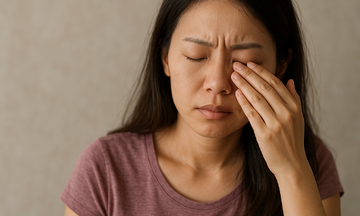
Beyond the common symptoms, several less common stroke signs can occur, including vision changes. A stroke can cause various visual disturbances, such as blurred vision, partial or complete loss of visual field, double vision, and difficulty tracking moving objects. These changes result from the stroke affecting brain regions responsible for processing vision and controlling eye movement.
A sudden, severe headache can be a sign, particularly for individuals experiencing hemorrhagic stroke. This type of stroke occurs when a blood vessel in the brain ruptures, often caused by high blood pressure. Another, more common type is ischemic stroke, which happens when blood flow to the brain is interrupted. Ischemic strokes are typically caused by blockages or blood clots, which often develop from high cholesterol or high blood pressure.
Other less common stroke symptoms include numbness, tingling, or loss of sensation on one side of the body. Individuals may also experience loss of coordination, an unsteady gait accompanied by dizziness. Some may also have sudden nausea and vomiting due to a stroke. Because these signs do not directly indicate stroke as the cause and can be mistaken for other conditions, they should not be ignored; medical consultation is advised for accurate diagnosis.
Various lifestyle changes can help reduce stroke risk, such as quitting smoking, eating a healthy diet, maintaining a healthy weight, exercising regularly, and avoiding or reducing alcohol consumption. Managing conditions like high blood pressure and cholesterol also contributes to reducing the risk of ischemic stroke.
Bao Bao (According to Times of India)