Respiratory syncytial virus (RSV) is not only a concern for young children but also poses a significant threat to older adults and those with underlying health conditions. According to the U.S. Centers for Disease Control and Prevention (CDC), the country sees approximately 60,000-160,000 RSV-related hospitalizations and 6,000-10,000 RSV-related deaths annually among adults aged 65 and older. In Vietnam, over a five-year period, an estimated 4.6 million RSV infections occurred in individuals over 60, resulting in about 200,000 hospitalizations and 18,000 deaths, according to data published in the academic journal Taylor & Francis.
Doctor Phan Nguyen Truong Giang, Medical Manager at VNVC Vaccination System, noted that while many still associate RSV primarily with infants and young children, the virus carries a high risk of severe complications and death for older adults and individuals with the following underlying conditions:
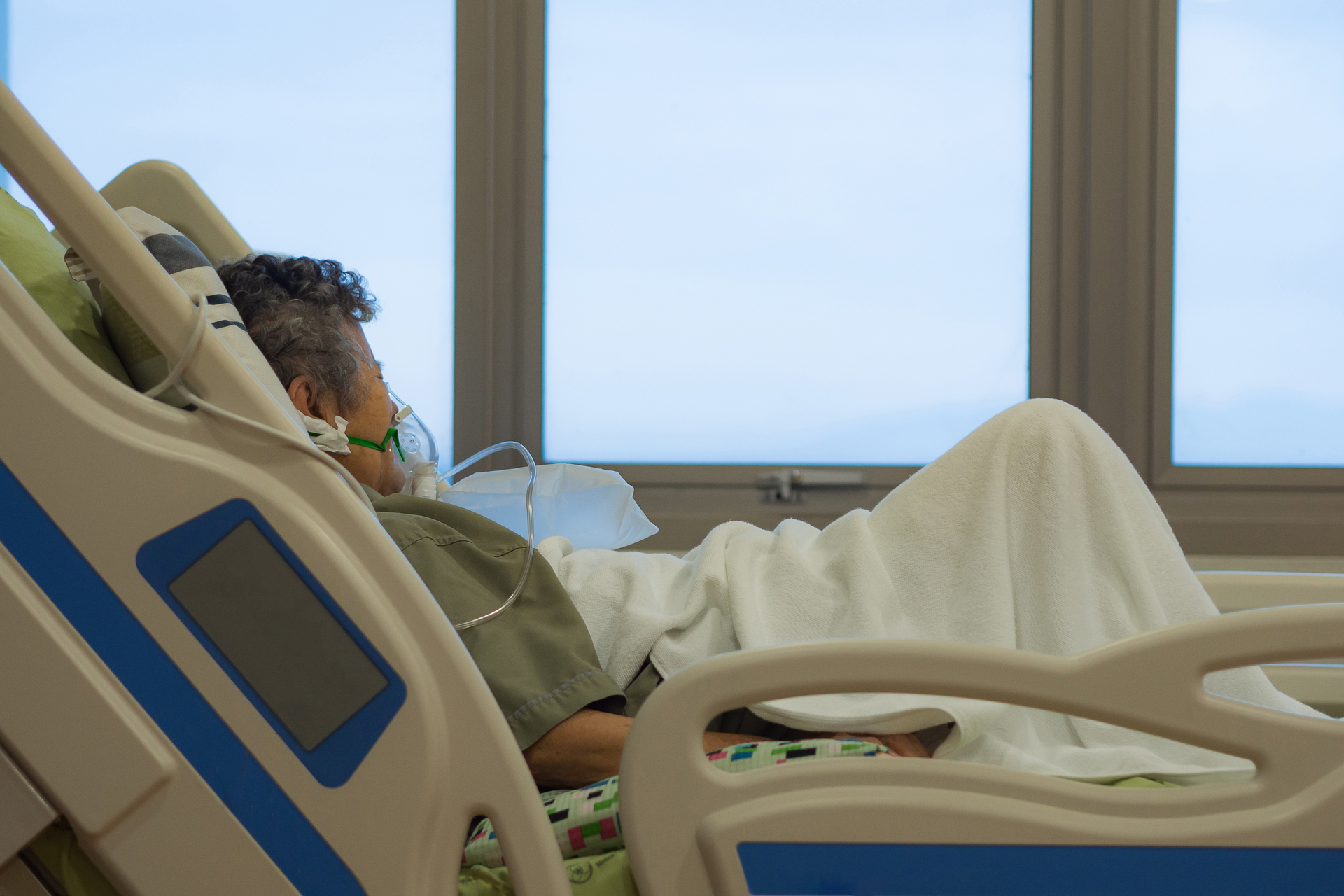 |
Older adults with underlying conditions face many severe complications if they contract RSV. Illustration: Vecteezy |
Older adults with underlying conditions face many severe complications if they contract RSV. Illustration: Vecteezy
Cardiovascular disease
Studies on older adults indicate that 28-55% of patients hospitalized with RSV have chronic heart disease. The virus increases the strain on the heart, often leading to acute heart failure, myocardial ischemia, myocardial infarction, and arrhythmias.
A 10-year surveillance study across 12 U.S. states revealed that one in three individuals over 50 with cardiovascular disease hospitalized due to RSV experienced an acute cardiac event, most commonly acute heart failure and ischemia. A study of 86 RSV-hospitalized patients in Toronto, Canada, showed that 22% experienced cardiac events, with 14% developing acute heart failure and 8% experiencing arrhythmias. RSV also elevates the risk of myocardial infarction and ischemic stroke 4 to 8 times during acute infection, complicating treatment and increasing costs.
Chronic obstructive pulmonary disease (COPD)
According to Doctor Giang, RSV causes widespread airway inflammation, triggering COPD exacerbations, leading to rapid respiratory failure progression and prolonged hospital stays for those with chronic lung disease.
A global study of RSV patients aged 18 and older found that approximately 30% of those hospitalized with RSV also had COPD. Numerous cases in medical literature indicate that older COPD patients often require intensive care unit (ICU) treatment, suffer prolonged lung damage, and are prone to reinfection after discharge. Co-infection with RSV, influenza, or Rhinovirus further increases the risk of severe pneumonia and raises mortality rates.
Diabetes
A weakened immune system makes individuals with diabetes more susceptible to RSV infection and slows recovery. RSV can disrupt blood sugar control, increasing the risk of infection. Diabetic patients with co-existing kidney disease face twice the risk of severe outcomes. Studies reveal that diabetic patients infected with RSV have a 1.7 to 11.4 times higher hospitalization risk compared to non-diabetics, often requiring treatment protocol adjustments and potentially experiencing reduced self-care ability after six months.
Chronic kidney disease
Individuals with chronic kidney disease have a reduced ability to clear cytokines and regulate immunity, leading to an overreactive yet inefficient response to RSV attacks. Kidney patients infected with RSV face a high risk of progressing to respiratory failure, developing secondary bacterial infections, and experiencing prolonged recovery times. Those with co-existing kidney disease and diabetes or cardiovascular conditions have a higher risk of hospitalization and death if they contract RSV.
Immunocompromised individuals
The immunocompromised group includes individuals on immunosuppressants, organ transplant recipients, and cancer patients. Doctor Giang identifies this group as the most severely affected by RSV infection. The virus can rapidly spread to the lungs, causing severe pneumonia, multiple organ dysfunction, and frequent relapses. Natural immunity to RSV is short-lived, increasing the risk of repeated infections, each potentially more severe. Hospitalization and mortality rates in this group are higher than in age-matched individuals without underlying conditions.
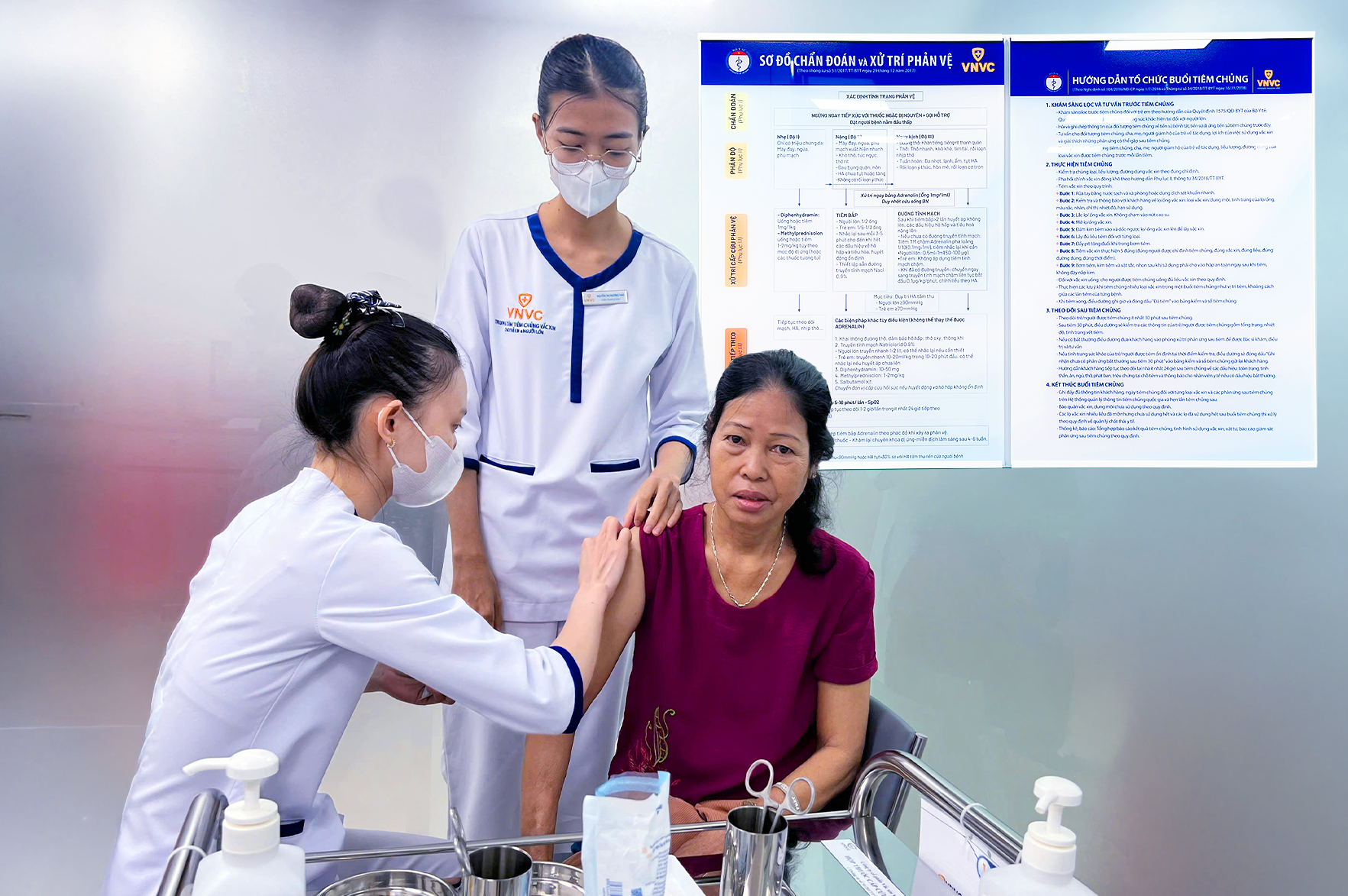 |
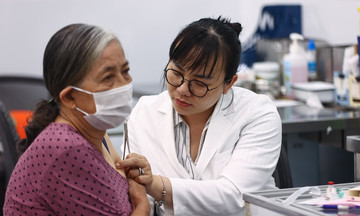
Older adults receive RSV vaccination at VNVC Vaccination System to prevent the disease. Photo: An Nhien |
Older adults receive RSV vaccination at VNVC Vaccination System to prevent the disease. Photo: An Nhien
How to prevent the disease?
To prevent RSV in older adults and those with underlying conditions, it is crucial to limit sources of infection within the household and bolster active immunity. Individuals should wear masks when experiencing respiratory symptoms, wash hands frequently, disinfect surfaces, avoid close contact with people who are coughing or have a fever, and ensure good indoor ventilation. Older adults with chronic diseases should be closely monitored for symptoms, undergo regular check-ups, and maintain stable management of their underlying conditions.
Given that RSV circulates year-round and can cause reinfection, several vaccines have been developed globally for older adults. Among these, Pfizer's RSV vaccine is available in Vietnam, administered to individuals aged 60 and older, and to pregnant women at 24-36 weeks to provide antibodies to their infants during the first six months of life. GSK's RSV vaccine has also been approved and will soon be available in Vietnam, enhancing immune response for individuals aged 60 and older or other indicated groups.
Binh An