Cold weather constricts blood vessels, increasing blood pressure and the risk of heart attack and stroke, especially for older adults or those with heart conditions. Doctor Nguyen Anh Duy Tung, a specialist in Nutrition and Dietetics at Tam Anh General Clinic District 7, states that a diet with antioxidants, healthy fats, and minerals improves blood vessel flexibility and supports stable circulation during the cold season.
Fatty fish
Fatty fish, such as salmon, mackerel, and sardines, are rich in omega-3 fatty acids. These fatty acids reduce inflammation, lower triglyceride levels, and maintain blood vessel elasticity. Omega-3s also help prevent plaque buildup, stabilize heart rhythm, and increase blood flow to organs. Consuming a meal of grilled or pan-seared salmon two to three times each week can significantly improve blood vessel health, particularly when temperatures drop.
Broccoli
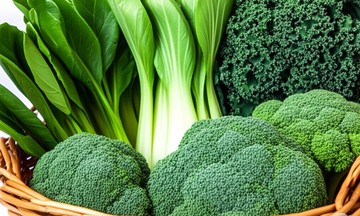
Broccoli contains sulforaphane, an active compound that helps eliminate free radicals that can damage blood vessels. This vegetable is also rich in vitamins C and K, and fiber, which lowers bad cholesterol and improves blood vessel wall strength. When preparing broccoli, steaming or quick-stir-frying helps retain maximum nutrients and supports better circulation.
Lentils
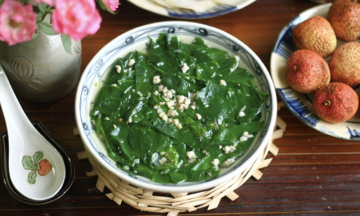
Lentils are rich in potassium, magnesium, and soluble fiber – a powerful trio that helps regulate blood pressure and reduce strain on the heart. Cooked into a warm soup, lentils help the body retain heat and provide sustained energy. Incorporating two to three lentil or other bean meals each week can enhance cardiovascular health.
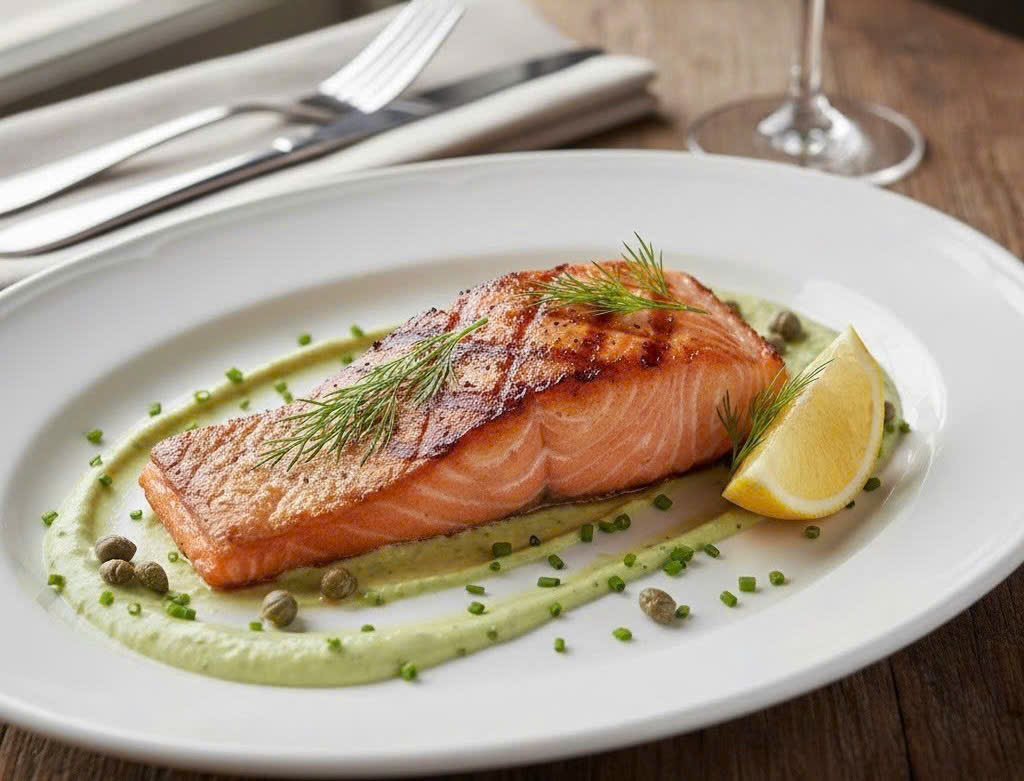 |
Salmon, rich in omega-3, benefits blood vessels and cardiovascular health. Photo created by AI |
Avocados and nuts
Avocados contain monounsaturated fats that help lower low-density lipoprotein (LDL), or bad cholesterol, and protect the vascular endothelium. Nuts like walnuts, almonds, and cashews are rich in vitamin E and polyphenols, providing strong antioxidant effects that keep blood vessels pliable and reduce spasms in cold weather. Combining avocado and nuts in a salad or consuming a handful of nuts daily can effectively support blood circulation.
Oats
Oats contain beta-glucan fiber, which helps reduce cholesterol and stabilize blood sugar – two crucial factors in protecting blood vessels. Eating a bowl of oatmeal for breakfast, combined with bananas, apples, or cinnamon, can warm the body, provide energy, and support cardiovascular health when temperatures are low.
According to Doctor Duy Tung, maintaining healthy blood vessels during the cold season depends not only on diet but also on regular exercise, adequate sleep, and consistent blood pressure monitoring. Individuals with high blood pressure, dyslipidemia, obesity, or a history of cardiovascular issues should avoid excessive salt, limit alcohol, and minimize oily, fried foods. Regular check-ups, blood pressure measurements, and lipid panel tests are advisable for early detection of risks like atherosclerosis, heart attack, and stroke, especially in cold weather. Supplementing with natural extracts such as GDL-5 from South American sugarcane wax, containing natural policosanol, can help regulate blood lipids and support blood pressure control.
Trong Nghia
| Readers can ask nutrition questions here for a doctor's response. |