Ms. My experienced hair loss after giving birth to her second child. The top of her head, forehead, and back of her neck gradually became bald, revealing her scalp. Despite using oral and topical medications, her condition did not improve. Two years ago, she spent nearly 200 million VND on an autologous hair transplant—a procedure that involves taking hair follicles from a healthy area and transplanting them into bald regions—at an aesthetic clinic. Initially, hair grew back, but after only a few months, the transplanted hair gradually fell out, and the surrounding hair also shed uncontrollably.
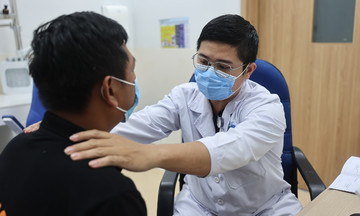
Seeking help, Ms. My visited Tam Anh General Hospital Ho Chi Minh City. Master, Doctor Vu Thi Thuy Trang, a specialist in Dermatology - Aesthetic Dermatology, diagnosed her with alopecia areata, a common autoimmune disease that can recur multiple times. The bald patches had clear boundaries, smooth skin, and displayed "exclamation mark" hairs. These are characteristic signs that the immune system is mistakenly attacking hair follicles, causing hair to fall out in round patches, which can spread if not treated early.
According to Doctor Trang, many patients seek treatment after failed hair transplants, largely due to misunderstanding the underlying cause of their hair loss. For autoimmune conditions, hair transplantation does not address the root cause, as the newly transplanted hair follicles can still be attacked by the immune system and continue to fall out. "That is why many people spend hundreds of millions of dong on hair transplants, but their hair still falls out as before after a few months", Doctor Trang stated.
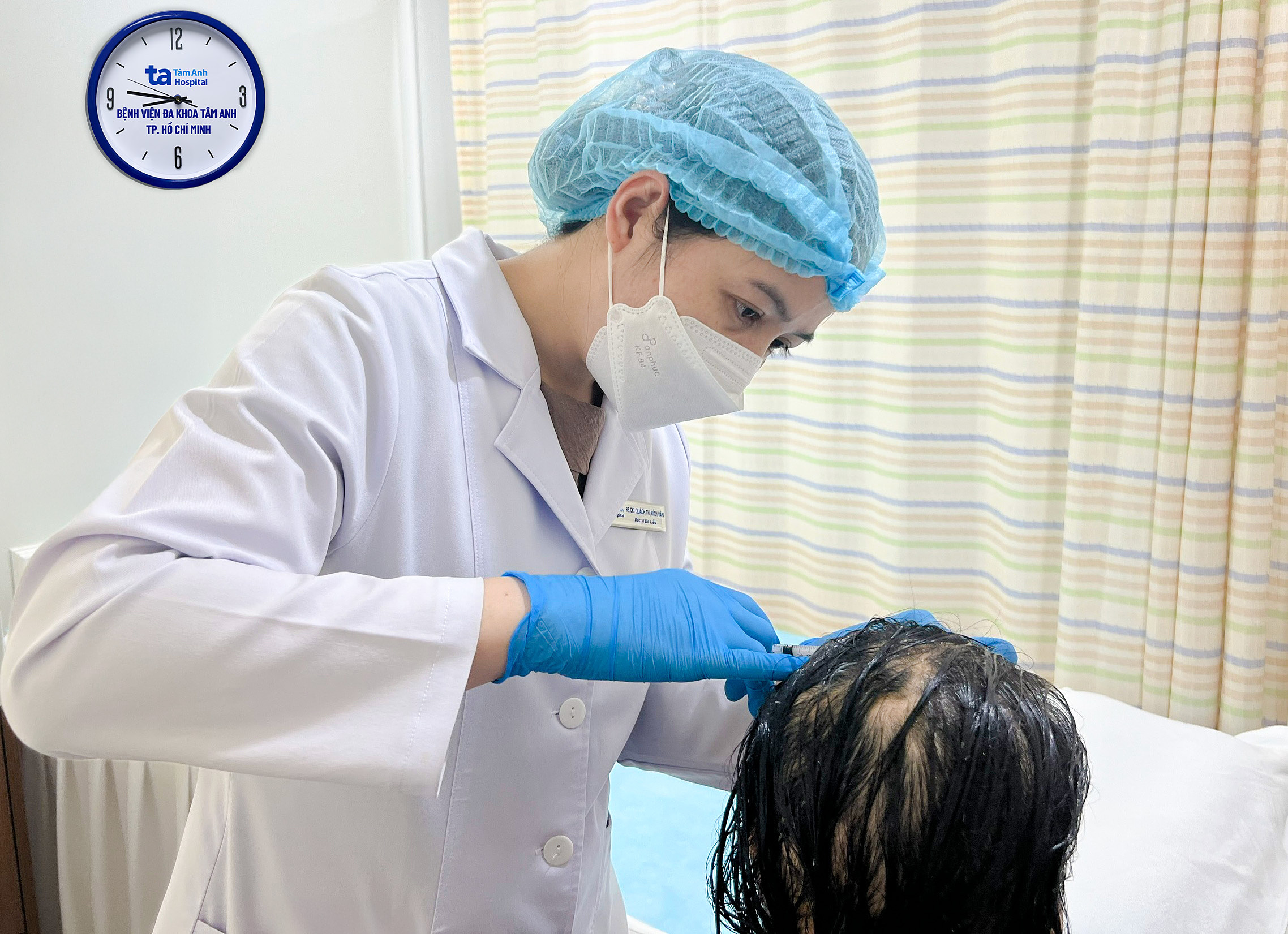 |
The doctor injects triamcinolone to stimulate hair growth for Ms. My. Photo: Tam Anh General Hospital |
Given her moderate to severe alopecia areata, Ms. My was prescribed injections of triamcinolone into her scalp, administered 4-10 times, with one month between each session. This method helps reduce inflammation, suppresses local immunity, and stimulates hair follicle recovery.
After 7 injections, Ms. My's new hair grew back thick, and the bald patches became less noticeable. The entire hair growth stimulation injection regimen cost approximately 15-20 million VND.
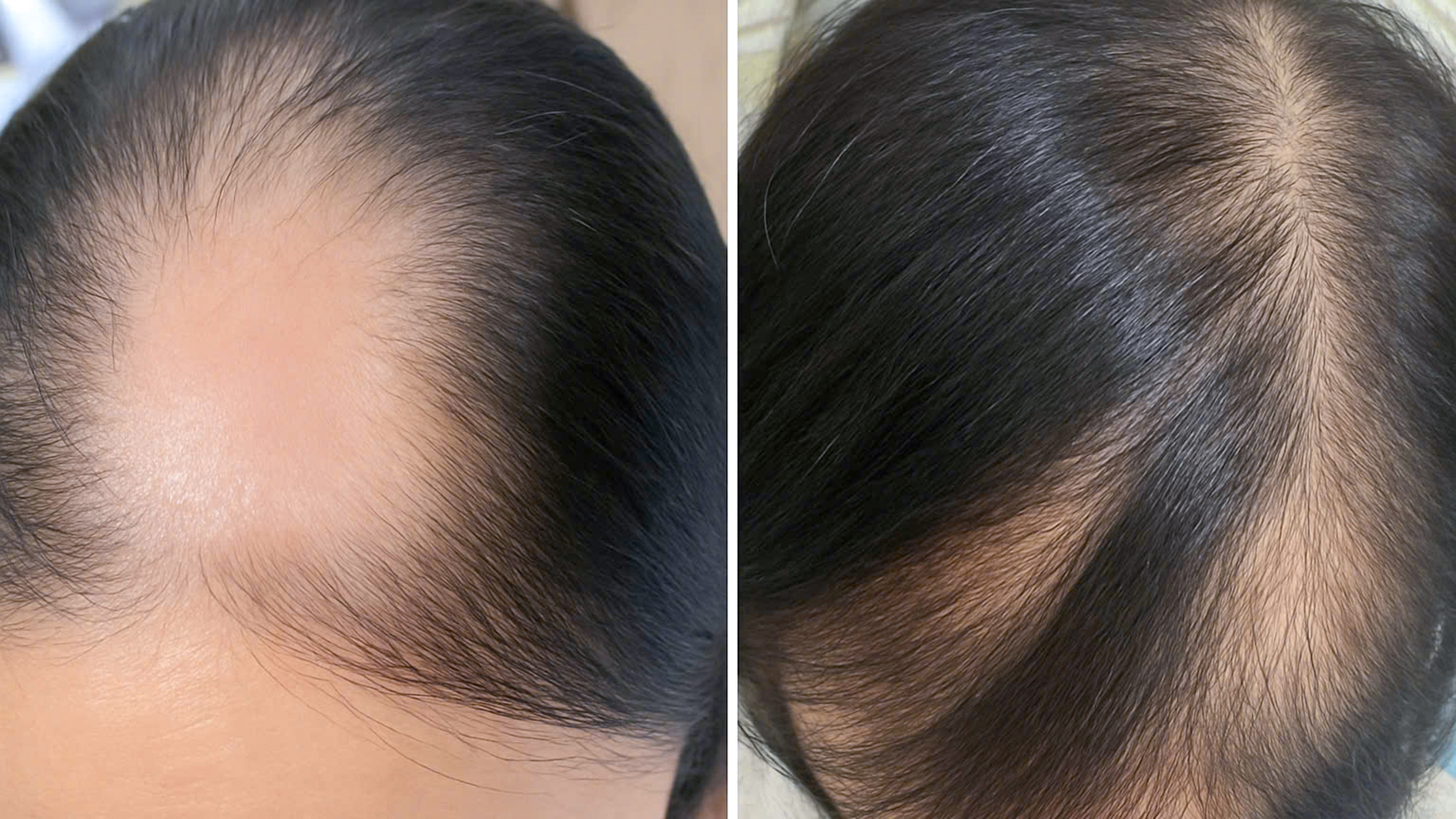 |
The top of Ms. My's head and forehead have regrown hair after 6 triamcinolone injections (right). Photo: Tam Anh General Hospital |
Alopecia areata can begin postpartum, during prolonged stress, after surgery, or when the body is weakened. Additionally, hormonal changes, immune disorders, and deficiencies in iron, vitamin D, or zinc are factors that contribute to weakened hair follicles and massive shedding.
While the condition is treatable, patients require patience and adherence to the treatment regimen. Hair typically grows back sparsely at first, then thickens over several months. Depending on the severity, doctors may combine injections, topical applications, oral medications, or other therapies to help hair follicles recover and stimulate growth. Treatment must be individualized for each person. Hair transplantation should only be considered when alopecia areata is under control and the scalp has been stable for a long period, or in cases of permanent hair loss due to scars, burns, or trauma.
Doctor Trang emphasized that not all cases of hair loss are caused by autoimmune disease. Other reasons include genetics, hormones, stress, nutritional deficiencies, scalp fungus, or chemical exposure. Therefore, anyone experiencing unusual hair loss should visit a hospital with a Dermatology - Aesthetic Dermatology department for a proper diagnosis and timely, correct treatment.
Minh Huong
*Character name has been changed