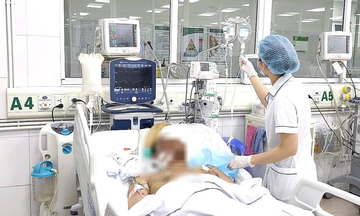
A healthcare report released on November 28 noted a localized surge in multiple infectious diseases across localities, particularly severe cases requiring specialized hospitalization. For November alone, the surveillance system recorded 46,098 dengue fever cases, resulting in 8 deaths. Hand, foot, and mouth disease also escalated, with 19,922 cases and one death.
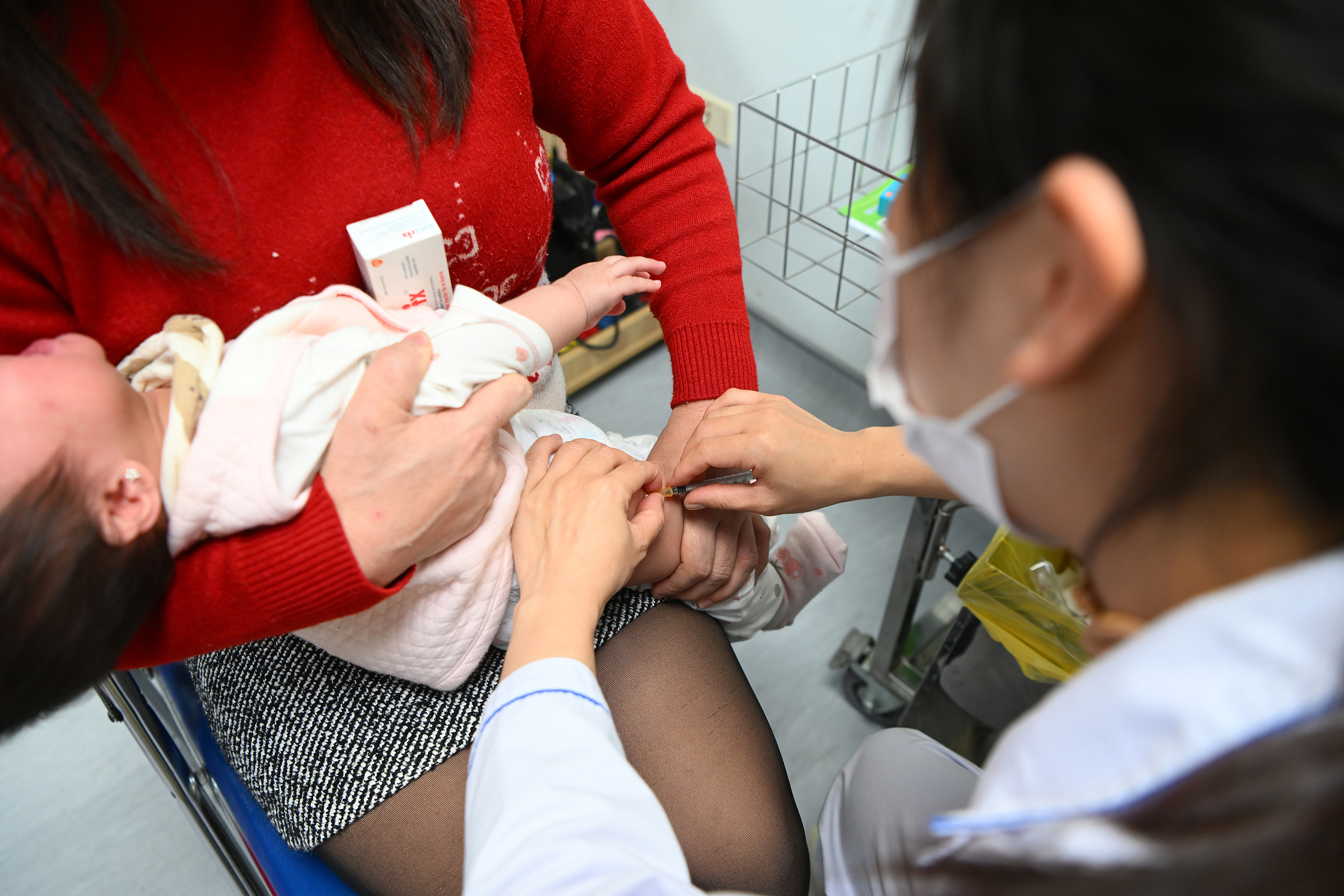 |
Children receiving vaccines at the National Children's Hospital. *Photo: Giang Huy*
Beyond these two diseases, medical facilities also admitted 11 meningococcal meningitis cases last month. This brings the cumulative total since the reporting period began to 95 cases, a 74-case increase from the same period last year.
From December 2024 to present, the epidemiological landscape reveals a complex trend. The country has recorded 156,601 dengue fever cases, a 36,3% increase year-on-year, claiming 31 lives (an increase of 5). Hand, foot, and mouth disease also saw 78,460 cases, a 15,6% increase. Health experts note that this year's dengue fever epidemic has not only risen in number but also shifted in nature, with many cases involving severe complications like shock, liver damage, and hypotension. The epidemic shows signs of breaking its typical 4-5 year cyclical pattern.
Specialized agencies attribute the outbreaks to transitional autumn-winter weather, where unpredictable temperature and humidity changes create an ideal environment for viruses and bacteria to thrive. The El Nino phenomenon, maintaining high temperatures, is also a key factor in dengue fever's unusual progression. Additionally, increased trade, travel, and crowded year-end events boost contact density, accelerating pathogen spread.
Facing the risk of concurrent outbreaks, the Ministry of Health requires localities to activate surveillance systems, detect outbreaks early, and address them thoroughly using the "four on-site principles" to prevent widespread transmission. Hospitals must implement scientific patient screening, closely monitor for signs of severe progression, and minimize deaths. The Ministry specifically emphasizes protecting high-risk groups: children, the elderly, pregnant women, and individuals with underlying conditions.
The managing agency also emphasized infection control, ensuring no cross-infection occurs in hospitals. Regarding vaccine supply, the National Institute of Hygiene and Epidemiology confirmed receiving over 22,3 million doses by November. This ensures sufficient vaccination for the public in Q4/2025 and extends into mid-2026. The public should proactively vaccinate children on schedule and practice personal hygiene to prevent disease.
Le Nga