After a total thyroidectomy, the body no longer produces hormones that regulate metabolism. To maintain normal bodily functions, daily hormone replacement therapy is essential. At this stage, nutrition plays a crucial role in supporting recovery and ensuring optimal drug absorption to maintain stable hormone levels. Key considerations include:
Take medication 3-4 hours apart from meals.
Synthetic thyroid hormones are often sensitive to the stomach environment. For optimal absorption into the bloodstream, it is best to take the medication in the morning immediately upon waking, on an empty stomach, at least 30-60 minutes before breakfast. If a busy schedule prevents morning dosage, you can take it before bedtime, ensuring at least 3-4 hours have passed since your last meal to allow for complete digestion.
 |
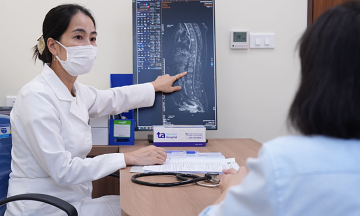
Doctor Nghia advises patients on thyroid hormone supplementation. Illustration: Tam Anh General Hospital |
Mind the medication interval.
Certain food groups can reduce the bioavailability of hormone replacement medication, notably soy and soy products. Compounds in soy may hinder hormone absorption through the intestinal lining. While you do not need to eliminate soy entirely, it is advisable to consume it at least 4 hours after taking your medication.
Calcium and iron are two minerals that interact most strongly with the medication. Milk, yogurt, or supplements containing these micronutrients can reduce drug concentration in the blood. Therefore, avoid taking thyroid hormones with milk or simultaneously with bone and joint supplements or iron supplements. Instead, maintain a safe interval of 2-4 hours.
Prioritize foods rich in zinc, magnesium, and B vitamins.
Foods high in zinc and magnesium, found in nuts (almonds, cashews, whole grains), support energy metabolism. B vitamins reduce fatigue, promote faster recovery, and support the endocrine system. Patients who have undergone thyroidectomy should cook cruciferous vegetables (cabbage, cauliflower) thoroughly to reduce goitrogens, substances that inhibit thyroid function.
If, after surgery, you are prescribed adjuvant radioactive iodine (I131) treatment, your doctor will require a strict low-iodine diet (avoiding iodized salt, seafood, egg yolks) for about two weeks before taking the radioactive medication. However, after completing this treatment, you can return to a normal iodized salt diet to support other bodily functions.
Exercise caution when using functional foods or herbal remedies from unverified sources. Some ingredients can skew thyroid stimulating hormone (TSH) test results, leading doctors to adjust medication dosages incorrectly, which can result in prolonged hormone excess or deficiency.
Dr. Nguyen Duc Nghia, M.Sc., CKI
Department of Thoracic and Vascular Surgery
Tam Anh General Hospital, Ho Chi Minh City