According to Master, Doctor Nguyen Quang Huy, from the Department of Nephrology - Dialysis at Tam Anh General Hospital in Hanoi, individuals with kidney failure have a reduced ability to eliminate waste and excess fluid. Hemodialysis only partially supports this function. Therefore, patients need to adjust their diet to control the substances entering their body, limit accumulation between dialysis sessions, and reduce the risk of complications.
Ensure adequate protein intake
Kidney dialysis patients require more protein than average because some protein is lost during the dialysis process. Sufficient protein intake helps maintain muscle mass, supports tissue repair, and boosts immunity. Protein-rich foods like lean meat, fish, eggs, and milk are suitable choices for daily meals. However, patients should balance their protein intake according to their doctor's instructions to ensure effectiveness without overburdening the body.
Limit salt intake
Sodium plays a role in the body, but excessive accumulation can lead to fluid retention, increasing the burden on the heart and kidneys. For kidney failure patients, the ability to excrete sodium is impaired, making a high-salt diet prone to swelling, high blood pressure, and worsening disease progression. Patients should limit processed foods, canned goods, fast food, and adjust seasonings in meals to control the amount of salt consumed.
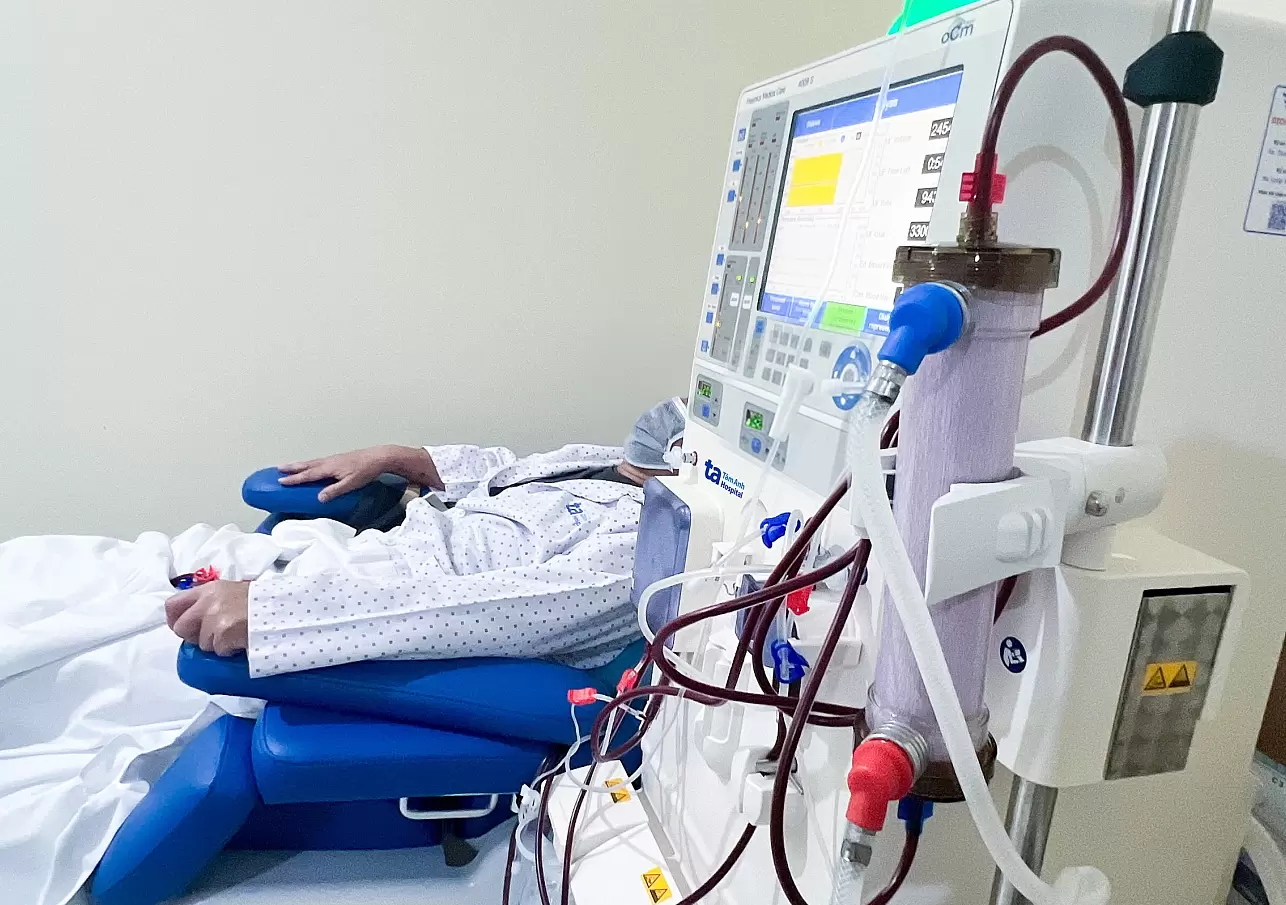 |
A patient undergoing dialysis. Photo: Tam Anh General Clinic District 7 |
Control fluid intake
Patients undergoing dialysis must monitor their daily intake of water and fluids from food. When the kidneys can no longer excrete effectively, excess fluid easily accumulates between dialysis sessions. This condition can cause swelling, high blood pressure, shortness of breath, or affect the heart. Fluid control must be based on specific doctor's orders, depending on the patient's condition and their urine output capacity.
Maintain appropriate potassium levels
Potassium is essential for muscle and cardiovascular function, but high levels in the blood can cause dangerous heart rhythm disorders. Dialysis patients should limit foods high in potassium and undergo regular monitoring to ensure stable potassium levels.
Limit phosphorus intake
Phosphorus is involved in bone formation and many metabolic activities in the body. However, when kidney function declines, phosphorus easily accumulates in the blood, affecting bones and blood vessels. Patients should limit foods high in phosphorus, especially processed foods, and adhere to nutritional guidelines to reduce the risk of long-term complications.
The diet for kidney dialysis patients needs to be individualized based on their health status and test results. Patients should follow their doctor's guidance, attend regular check-ups, and adjust their meal plan to effectively manage the disease and limit complications.
Thu Giang