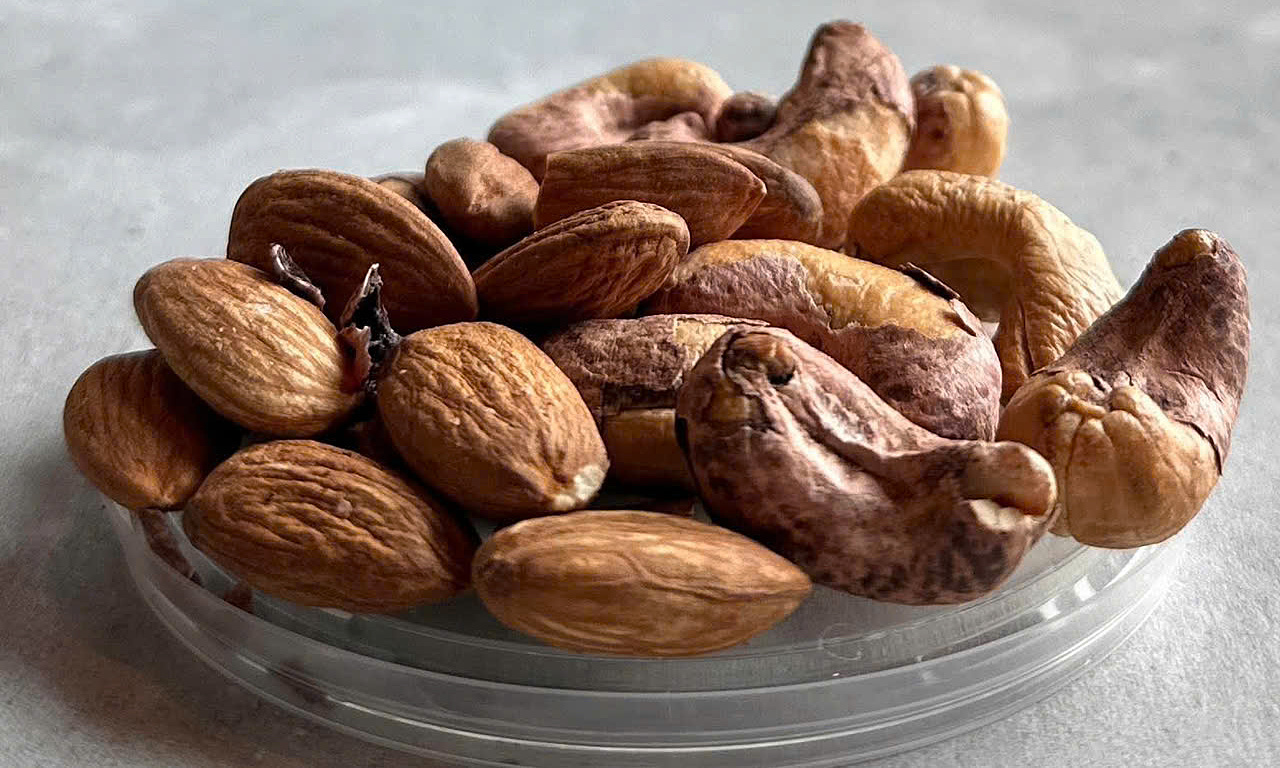
The DASH diet, which emphasizes vegetables, fruits, whole grains, beans, nuts, fish, and low-fat dairy products while limiting salt, saturated fats, and added sugars, can help manage blood pressure. However, some common eating habits can reduce its effectiveness.
Only reducing salt at meals
Many believe that simply reducing salt during cooking or avoiding additional fish sauce is sufficient. In reality, sodium also comes from many processed foods, restaurant meals, processed meats, fast food, sauces, instant noodles, and packaged items.
The American Heart Association (AHA) recommends that adults consume no more than 2,300 mg of sodium daily; the ideal level is no more than 1,500 mg, especially for individuals with high blood pressure. One teaspoon of salt contains approximately 2,300 mg of sodium. It is important not to solely reduce the amount of salt added to dishes but also to read nutrition labels, prioritize low-sodium foods, and limit processed foods.
Overlooking potassium-rich foods
Sodium is not the only mineral linked to blood pressure. Potassium helps the body excrete sodium while also promoting blood vessel relaxation. Therefore, a diet rich in vegetables, fruits, beans, whole grains, low-fat dairy, and other potassium-rich foods can help manage blood pressure.
However, not everyone should increase their potassium intake independently. Individuals with kidney disease or those taking certain medications may experience hyperkalemia if they supplement too much.
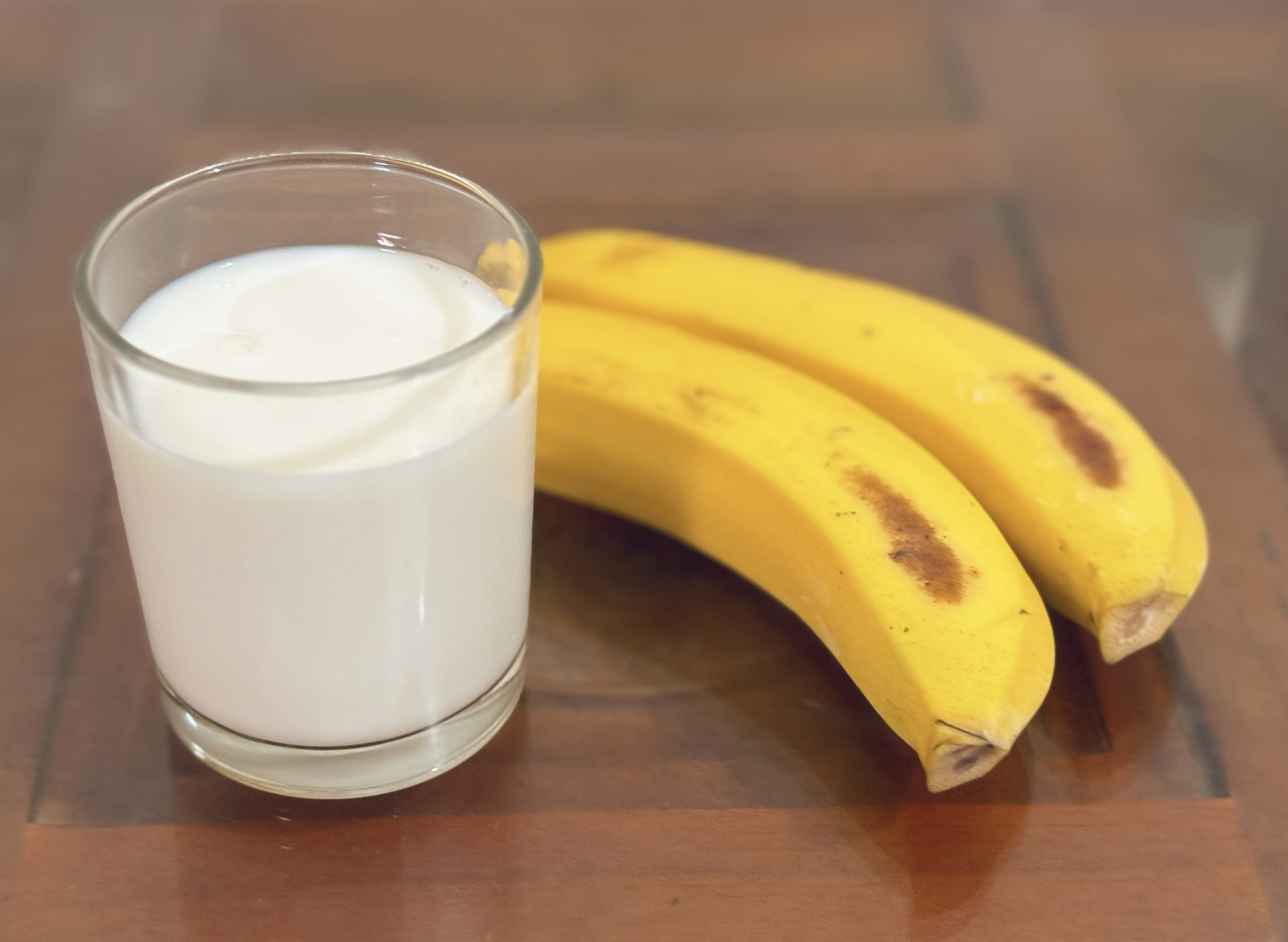 |
Bananas are rich in potassium, beneficial for individuals with high blood pressure. Illustration: Bao Bao |
Eating healthy but still consuming too much sugar
Vegetables, fruits, and whole grains are often good choices for a blood pressure-controlling diet. However, a diet can still be high in sugar if one frequently drinks soft drinks, milk tea, energy drinks, heavily sweetened coffee, or eats pastries, candies, and desserts.
According to Verywell Health, higher intake of added sugars is linked to an increased risk of high blood pressure. The AHA also recommends limiting beverages and foods with added sugars in a heart-healthy diet. This does not mean eliminating natural sugars found in fruits. The more critical issue is the amount of added sugar from beverages and processed foods.
Overlooking fat types in the diet
Not all fats have the same impact on cardiovascular health. Saturated and trans fats, commonly found in processed meats, fatty meats, fried foods, and ultra-processed foods, should be limited.
Conversely, sources of unsaturated fats, such as vegetable oils, avocados, nuts, and fatty fish, can be included in a healthy diet. The AHA recommends replacing saturated fats with unsaturated fats rather than completely eliminating fats from the diet.
Insufficient fiber intake
Fiber is abundant in vegetables, fruits, beans, nuts, and whole grains. Some studies indicate that a high-fiber diet can help manage blood pressure, while also aiding in weight and blood sugar control.
Instead of focusing solely on a few foods that lower blood pressure, individuals with high blood pressure can increase vegetables in their meals, choose whole fruits, use whole grains, and add beans and nuts to their diet.
By Bao Bao (Compiled)