Post-surgical pain is common, as the body needs time to recover and adapt to changes in the spine. Typically, during the first three months after surgery, patients may still experience sharp, electric-shock-like pain along the nerve path, dull lower back pain, skin sensitivity, burning in the surgical area, or a foreign body sensation.
Specialist Doctor Level I Le Anh Khanh, from the Department of Spine Surgery, Tam Anh General Hospital Ho Chi Minh City, states that causes can relate to the natural healing process or signal complications or disease recurrence.
 |
Doctor Khanh explains examination results to the patient. Photo: Tam Anh General Hospital |
Unrecovered nerve damage is a frequent cause of persistent pain after herniated disc surgery.
Before surgery, the nerve may have been compressed for a long time by the herniation, causing inflammation, damage, or increased nerve sensitivity. Even after surgery removes the compression, the nerve still needs time to recover its normal function. This process can take several weeks to several months, or even longer. Patients may experience numbness, tingling, burning pain along the nerve path, or muscle weakness.
Scar tissue formation in the surgical area (epidural fibrosis) is a normal physiological response during post-surgical healing. However, in some cases, scar tissue can grow excessively and surround nerve roots within the spinal canal.
When scar tissue irritates the nerve, patients may develop symptoms similar to those before surgery, such as lower back pain that may radiate down the leg, numbness, tingling, or discomfort with movement. This condition can appear months after surgery. Therefore, persistent pain after 6 months or one year requires specialized examination to assess the potential for fibrous scar tissue formation.
Spinal structural changes can also contribute to pain. After herniated disc surgery, the spine may lose necessary stability, and joints and ligaments might bear greater pressure during daily activities. This increases the risk of inflammation, pain, and muscle spasms. Muscles around the spine often weaken after prolonged inactivity or incomplete rehabilitation, prolonging pain. Patients typically notice increased pain when bending, twisting, standing for long periods, or lifting heavy objects.
Herniated disc recurrence can occur in some individuals, often at the previously treated site. Causes may include non-compliance with rehabilitation programs, lifting heavy objects too early, poor posture in daily life, or high-intensity labor.
Failed or unsatisfactory surgery is another potential reason. Despite advances in surgical technology, a certain percentage of treatments may not achieve the desired effectiveness. Causes can include incomplete removal of the herniated disc, insufficient nerve decompression, or nerve damage during surgery. Besides technical factors, issues such as advanced age, obesity, smoking, underlying conditions, or prolonged stress can also affect treatment outcomes and increase the risk of chronic pain, according to Doctor Khanh.
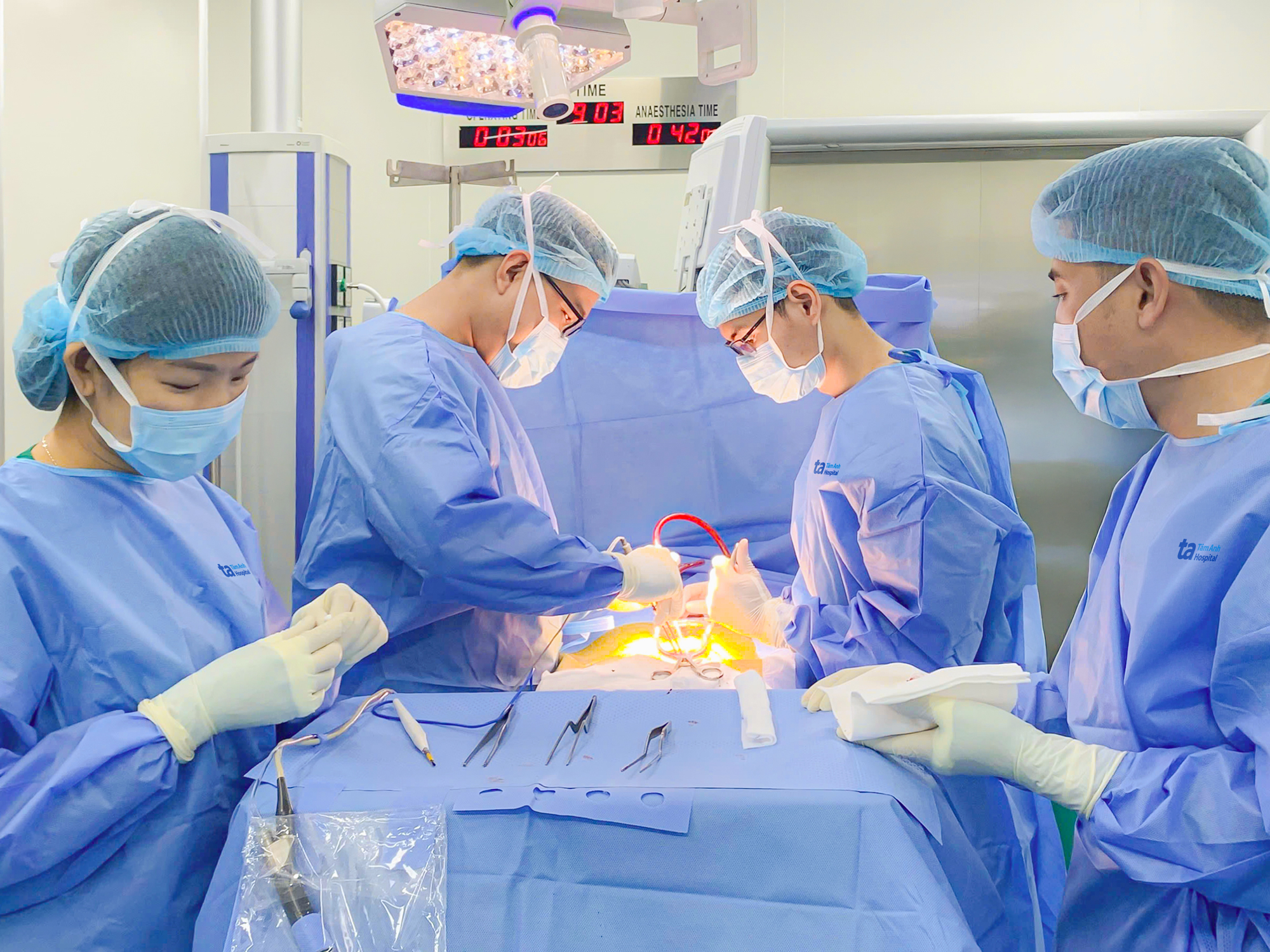 |
Doctor Khanh (second from right) performs spinal surgery on a patient. Photo: Tam Anh General Hospital |
According to Doctor Khanh, in most cases, abnormal symptoms after herniated disc surgery will gradually decrease as damaged tissue heals. If pain worsens, affecting sleep, daily life, or mobility, patients should seek medical evaluation for an accurate diagnosis and appropriate treatment.
Phi Hong
| Readers can ask questions about musculoskeletal diseases here for doctors to answer. |