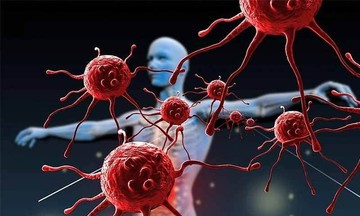
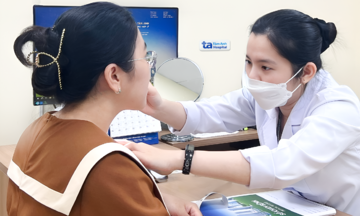
Individuals undergoing cancer treatment, particularly chemotherapy and radiation therapy for head and neck cancers, often experience side effects such as oral mucositis and mouth ulcers. This occurs because chemotherapy or radiation damages cells, releasing unstable atoms known as free radicals. This release activates inflammatory chemicals, called cytokines and metalloproteinases, which break down collagen, thinning tissues and forming sores.
These mouth sores can be painful, impacting a patient's ability to eat and speak. If bacteria enter the sores, it can lead to infections and esophagitis. To help soothe the sores and ensure adequate nutrient intake, patients with mouth ulcers during cancer treatment should prioritize soft, non-acidic, mild, and not-too-hot foods that are easy to chew.
Recommended dishes include:
Poached, boiled, or lightly fried eggs, served cool. Eggs are rich in protein and essential nutrients, helping patients feel full longer. This dish is soft, easy to swallow, and non-irritating to the mouth.
Soft stewed meat or fish, lightly seasoned, requires minimal chewing. Rice and vegetables should be well-cooked or mashed. Patients can also opt for soups made from potato, sweet potato, peas, and carrots to boost vitamin C and enhance immunity. Steamed or boiled dishes made from beans and tofu can also be regularly incorporated into the diet.
To vary the daily menu, consider milk, bird's nest stew, yogurt, soft bread, cooked cereals, or diluted oatmeal, along with smoothies made from apples, bananas, or cantaloupe. Honey can offer benefits for individuals with cancer-related mouth ulcers. Warm honey water helps reduce inflammation, provides antibacterial properties, and alleviates pain from the sores.
Foods to limit:
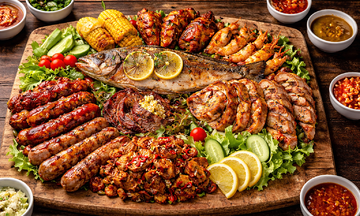
Restrict consumption of orange and tangerine juices, as their acidity and high sugar content can irritate existing sores, worsening pain. Chewy foods such as tough meat, raw or undercooked vegetables, crispy bread, salty crackers, and potato chips should be avoided during this time, as should spicy and salty dishes.
Eating nuts, hard, or fibrous fruits like raw apples, mangoes, or plums can further damage and irritate mouth sores. During this period, patients should avoid caffeinated beverages, including coffee, black tea, and carbonated soft drinks. It is also important to completely abstain from beer, wine, and spirits.
Cancer patients should eat more small meals throughout the day instead of three large ones to reduce pressure on the mouth. Cut food into small pieces before eating. If chewing causes pain, a blender can be used to puree food. Use sauces, broths, or a little olive or canola oil to soften food and add nutrients. Drinking with a straw can help patients avoid food contact with the sores.
Anh Chi (According to Very Well Health)
| Readers can send questions about cancer here for doctors to answer |