A transient ischemic attack (TIA) occurs when a brain region experiences temporary blood flow disruption, often due to an obstruction or reduced flow in the cerebral arterial system. Neurological symptoms appear suddenly and can fully resolve quickly.
Doctor Nguyen Thi Phuong Thao, Specialist Level II from the Department of Neurology - Stroke at Tam Anh Cau Giay General Clinic, notes that because TIA symptoms often disappear rapidly, many patients may become complacent or mistake them for hypoglycemia. This delay in seeking medical attention can lead to an incorrect diagnosis.
Doctor Thao highlights key characteristics to distinguish a transient ischemic attack from other conditions:
A transient ischemic attack typically manifests suddenly with focal neurological symptoms. These include one-sided weakness or numbness in the face, arm, or leg; facial drooping; difficulty speaking, inability to speak, or trouble understanding speech. Patients might also experience sudden vision loss in one eye, double vision, dizziness, loss of balance, or difficulty walking. Symptoms can last a few minutes or longer, then gradually improve and fully resolve.
 |
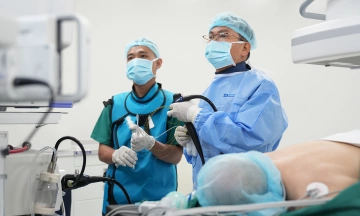
Emergency care for stroke patients. Illustration: Tam Anh Cau Giay General Clinic |
Hypoglycemia often affects diabetic patients using insulin or certain blood sugar-lowering medications. Typical signs include sweating, hand tremors, intense hunger, anxiety, rapid heartbeat, generalized weakness, dizziness, blurred vision, behavioral changes, or confusion. Severe cases may result in seizures or loss of consciousness.
According to Doctor Thao, hypoglycemia symptoms are generally more systemic, contrasting with the distinct focal weakness, numbness, or loss of function on one side of the body characteristic of a transient ischemic attack.
Doctor Thao advises patients not to ignore unusual neurological symptoms, even if they resolve spontaneously. If one experiences sudden weakness or numbness on one side of the body, facial drooping, speech difficulties, vision loss, or balance disorders, immediate evaluation at a medical facility specializing in Neurology - Stroke is crucial, even if symptoms subside. Early assessment helps identify the cause, determine risk factors, and initiate preventive treatment, thereby reducing the risk of a full-blown stroke.
Thanh Long
| Readers can ask questions about neurological conditions here for doctors to answer. |