Rabies remains a serious public health concern, and understanding its transmission is vital for prevention. A common misconception is that only bites causing deep wounds or visible bleeding carry a risk of rabies. However, medical professionals emphasize that this is not the case.
According to doctors, the rabies virus, present in the saliva of an infected animal, can enter the human body even through a seemingly superficial bite. This includes instances where the bite does not break the skin sufficiently to cause an open wound or bleeding. The presence of saliva on broken skin, even minor abrasions, or mucous membranes is enough for the virus to transmit. Therefore, immediate action is advised regardless of the severity of the bite.
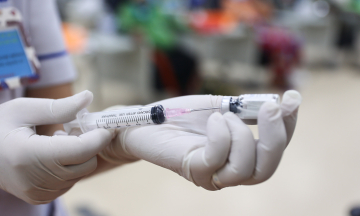
Following any bite from a dog or cat, even if it appears minor and does not draw blood, seeking medical evaluation and considering rabies vaccination is essential. This proactive approach helps mitigate the potential for infection and ensures peace of mind. As explained by a doctor, "Rabies vaccination is needed even if a dog or cat bite wound does not cause bleeding."
Binh An