Doctor Nguyen Huy Hoang, from the Vietnam Undersea and Hyperbaric Medical Association, states that while stroke can occur at any time, mornings carry the highest risk. The core reason lies in the significant physiological changes as the body starts a new day. After six to eight hours of sleep, the body loses a substantial amount of water through respiration and sweat. This dehydration increases blood viscosity, promoting clot formation and movement, which can block cerebral arteries.
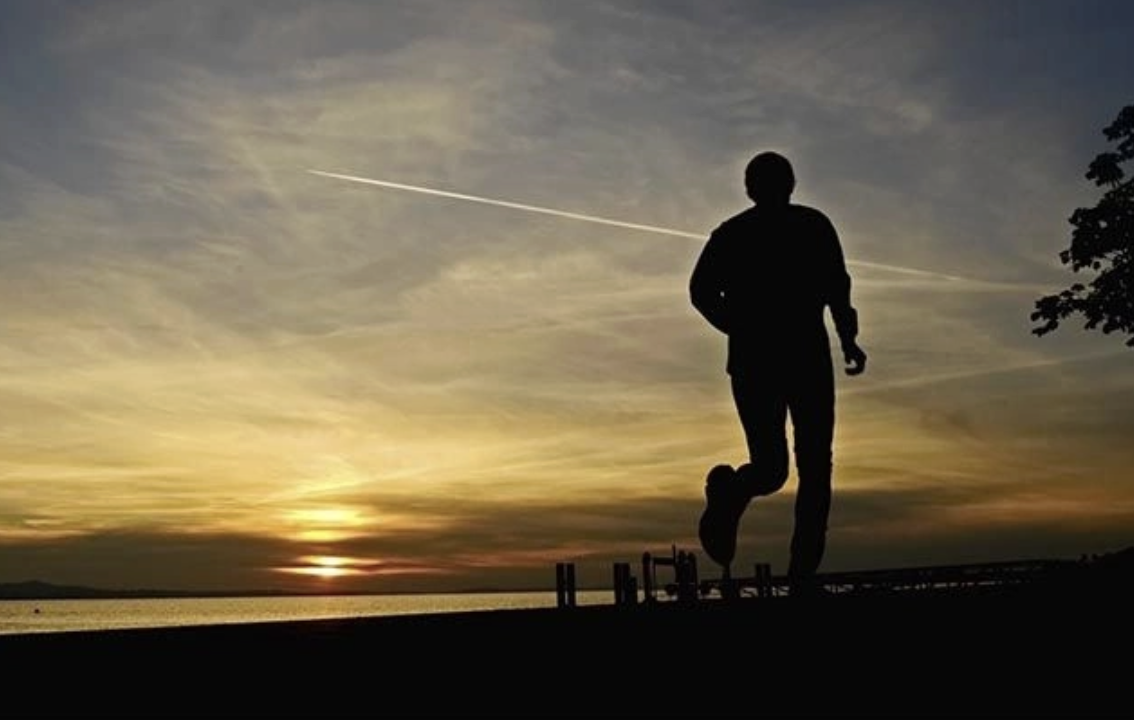 |
Morning exercise can be dangerous and requires caution. *Illustration: Men's Health.* |
Additionally, between 7 and 8 AM, cortisol levels, the hormone that promotes alertness and stress response, peak. Elevated cortisol makes blood vessels more sensitive to vasoconstrictors, increasing blood pressure and potentially causing unstable atherosclerotic plaques to rupture.
Against this sensitive physiological backdrop, seemingly harmless habits such as suddenly jumping out of bed, rushing to the bathroom at night, or showering with inappropriate water temperatures become "triggers" for a stroke. Doctor Hoang emphasizes this risk is severe for middle-aged and elderly individuals with conditions like hypertension, cardiac arrhythmia, or atherosclerosis.
To mitigate risks during this "red hour", experts recommend the "slow and warm" principle. The first action upon waking is to drink 200-300 ml of warm water. This simple act provides immediate rehydration, thins the blood, and improves circulation, which is important for those taking diuretics.
Instead of immediately getting up, individuals should spend about one minute lying in bed, taking deep breaths and stretching their limbs. Then, sit on the edge of the bed for a few minutes to allow the body to stabilize before standing. If needing to use the restroom at night, people should turn on a sufficiently bright night light, drink a little water, and move slowly, using support to prevent falls caused by orthostatic hypotension.
For showering, the ideal water temperature should be maintained at 37-40 degrees Celsius. The showering process should start from the feet and hands, moving up to the torso, and finally to the head. This allows blood vessels to adapt, preventing thermal shock. Bathrooms should be draft-free and equipped with non-slip mats and grab bars.
The doctor also advises against high-intensity exercise immediately within the first 5-10 minutes after waking. The ideal time for physical activity is 30-60 minutes after waking, once blood pressure has stabilized. On severely cold days, individuals should dress warmly and avoid going outside too early. If outdoor exposure is unavoidable, a thorough indoor warm-up is necessary to allow blood vessels to gradually adapt to lower temperatures. Furthermore, effective control of blood lipid and blood sugar levels, along with maintaining a healthy lifestyle, reducing salt intake, and quitting smoking, are the most crucial long-term defenses.
Thuy An