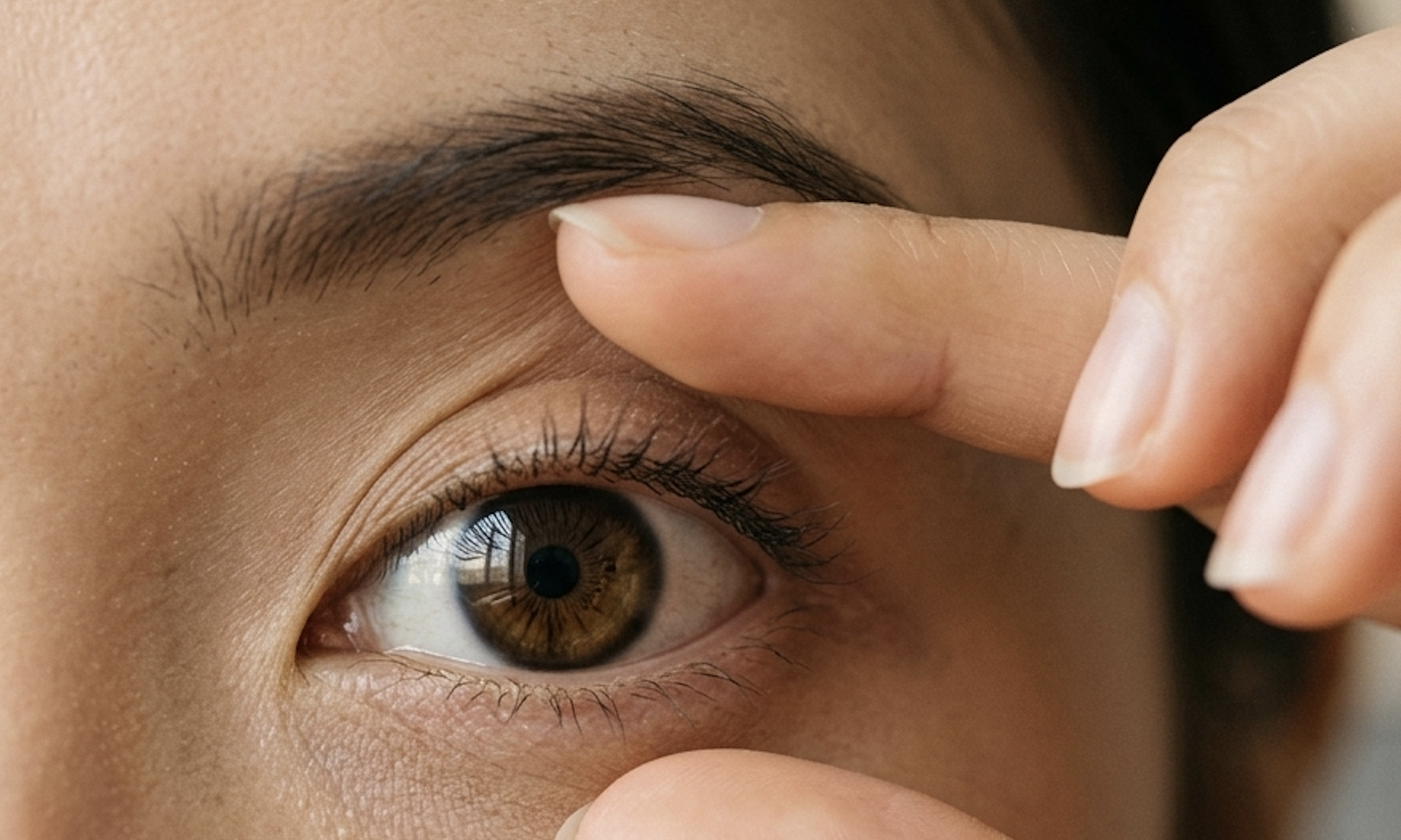
Color blindness is a condition where the eyes see objects clearly but cannot or have difficulty distinguishing certain colors; in some cases, individuals cannot correctly identify any colors.
According to Master of Science, Doctor Duong Minh Phuc, from the High-Tech Eye Center at Tam Anh General Hospital TP HCM, colors are perceived by cone cells in the retina. These cells help detect the three basic colors: red, green, and blue. When one or more types of these cells are deficient, function abnormally, or are inactive, the ability to differentiate colors is affected.
Color blindness primarily manifests in three forms: red-green, blue-yellow, and monochromatic. Individuals with red-green color blindness often perceive red as yellowish-brown and green as dark yellow. Blue-yellow color blindness causes patients to see blue as green and struggle to differentiate red and yellow. Monochromatic color blindness results in seeing only white, black, and gray, or difficulty distinguishing any colors.
 |
Doctor Phuc examines the fundus of an elderly woman. *Illustration: Tam Anh General Hospital*
Doctors commonly use the Ishihara color test, which assesses red-green color perception, for screening color vision deficiencies. Patients observe a chart of colored dots and identify the numbers or shapes they see. Patients may also undergo an advanced test with 100 different color hues, known as the Farnsworth-Munsell 100, to determine the specific type and severity of their color vision impairment.
Color blindness is mostly congenital and hereditary. Other cases are linked to aging, eye diseases, optic nerve conditions, or complications from diabetes, glaucoma, macular degeneration, or medication side effects.
According to Doctor Phuc, treatment methods are determined by the cause and severity. Color vision disorders resulting from complications of diabetes, glaucoma, or optic nerve issues may improve with early detection and appropriate treatment to address the underlying cause of the disease.
However, there is currently no complete cure for congenital, hereditary color blindness. Patients are advised to wear color-filtering glasses, customized to their specific condition and severity, to aid in distinguishing colors.
While color blindness typically does not affect visual acuity, it can impact quality of life and career choices. Doctor Phuc advises that children who show signs of coloring incorrectly or confusing colors should undergo a specialized eye examination for comprehensive screening and evaluation.
Adults who suddenly notice unusual symptoms such as difficulty distinguishing colors or colors fading, especially when accompanied by blurred vision, decreased vision, or if they have diabetes, glaucoma, retinal disease, or optic nerve conditions, should seek an eye specialist at a hospital. Doctors can detect and treat patients promptly, preventing dangerous complications.
Ngoc Kim Tham
| Readers can submit questions about ophthalmological conditions here for doctors to answer. |