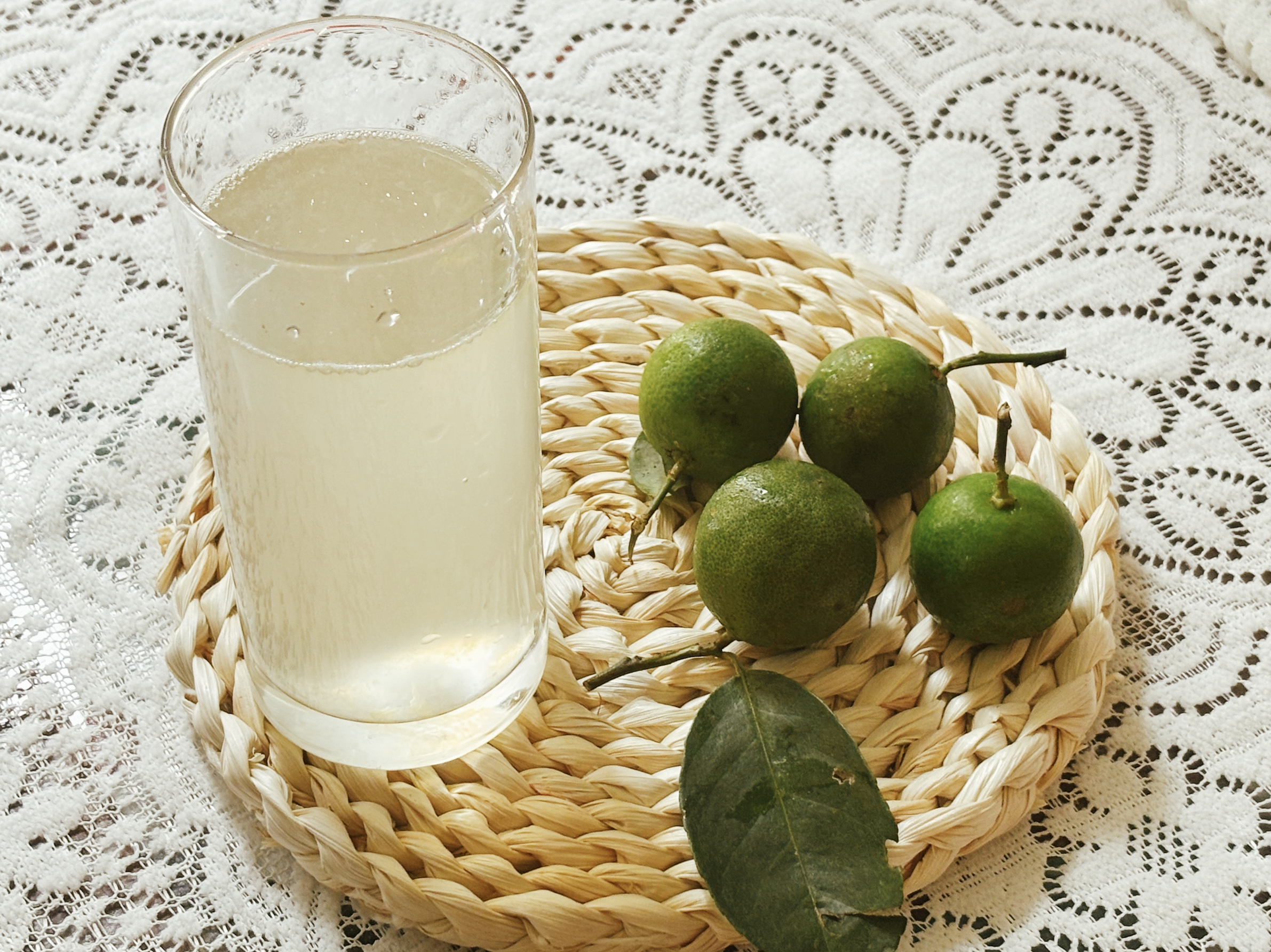
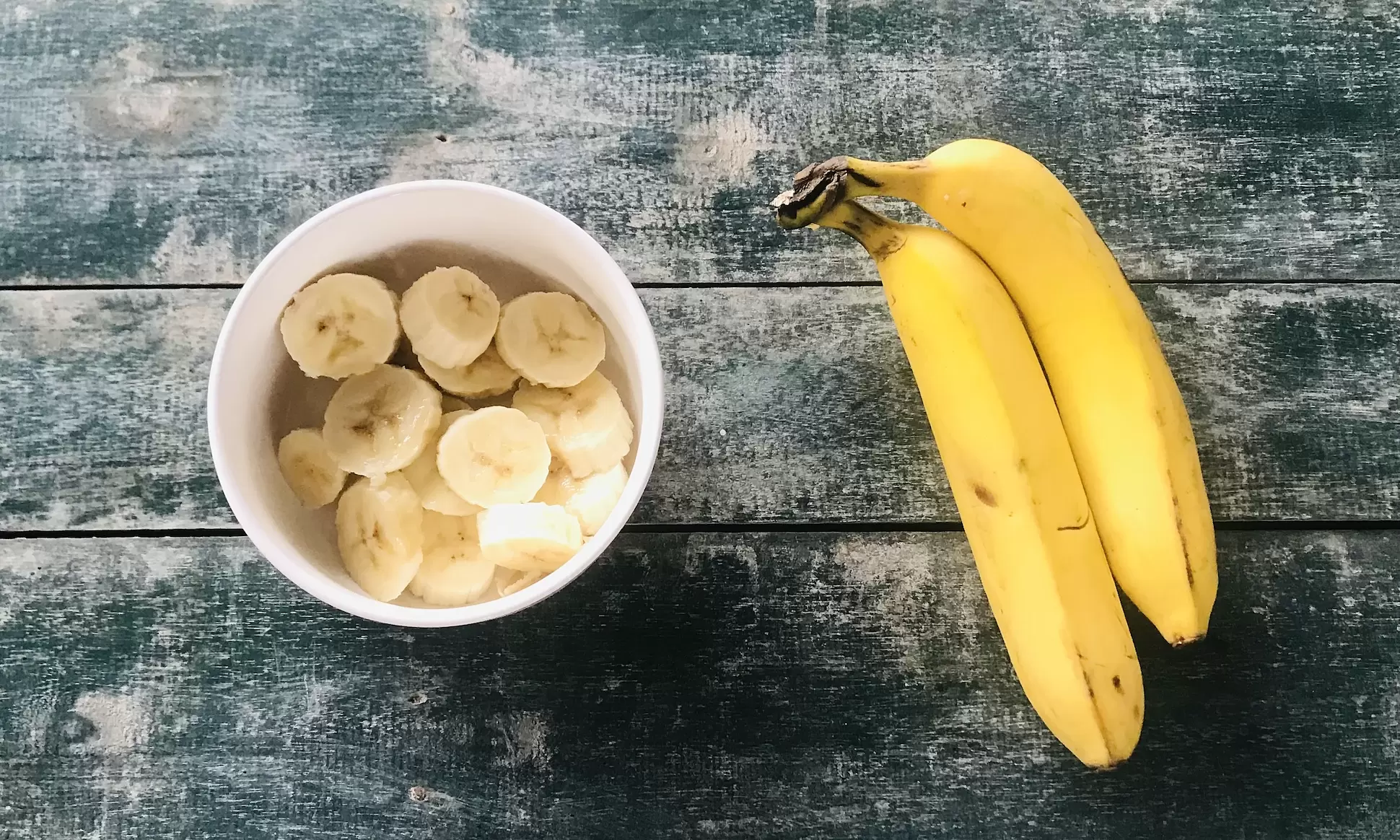
Replacing fresh fruit with fruit juice
According to Health Shots, the juicing process can remove some fiber, making it easy for children to consume large amounts of juice quickly. Regular consumption of juice instead of whole fruit can lead to lower fiber intake. Parents should prioritize giving children age-appropriate fruits, cut into small pieces suitable for chewing and swallowing to minimize choking hazards.
Using sweets to encourage vegetable consumption
Using chocolate or sweets to entice children to eat vegetables might work initially. However, children can develop a habit of eating vegetables only when promised sweets, and they may prefer unhealthy treats over nutritious foods.
Instead of using sweets, parents should lead by example, eating vegetables with their children. They should also vary cooking methods and involve children in food selection. Parents must ensure children's diets are diverse, age-appropriate, and regularly monitor their weight and height.
 |
Eggs are rich in nutrients, good for children's health. *Photo: Bui Thuy*
Neglecting dietary fats
Some parents prioritize lean meats, shrimp, and fish while limiting oils and fats. Fats are a crucial energy source for young children and help the body absorb vitamins A, D, E, and K. If a child's diet lacks fats, they may not receive enough energy and struggle to absorb these vitamins. Parents should use vegetable oils in cooking, following nutritional guidelines.
Children drinking milk close to mealtimes
Milk provides protein, calcium, and energy but does not fully replace solid foods in main meals. Children who drink a lot of milk, especially close to mealtimes, can feel full and eat less meat, fish, eggs, vegetables, or other dishes. If this continues, their diet can become unbalanced. Parents should schedule milk consumption appropriately, considering the child's age and needs, while maintaining diverse meals, according to the Times of India.
Overemphasizing meat, lacking vegetables and fruits
Meat provides protein and minerals but cannot meet all of a child's nutritional requirements. If meals primarily consist of meat and rice but lack vegetables and fruits, the diet may be deficient in fiber, vitamin C, folate, and other micronutrients. Parents should offer children diverse food groups throughout the day, varying the types of vegetables, fruits, and protein sources to ensure they receive a wider range of nutrients.
By Le Nguyen (Compiled)
| Readers can submit questions about children's health issues here for expert medical advice |