The eyeball reaches its adult size around age 20.
At birth, the eyeball is approximately 16,5 mm long, significantly smaller than an adult's. According to Healthline, eyes develop quickly during the first two years of life, then continue to grow through childhood and puberty. In adults, the average eyeball length is about 24 mm, but the timing of complete development varies for each person.
In the first few months after birth, a child's vision is not yet fully developed. Children gradually develop the ability to focus, track moving objects, recognize colors, and coordinate both eyes. These skills continue to refine in early life, even as the growth rate of the eyeball slows.
 |
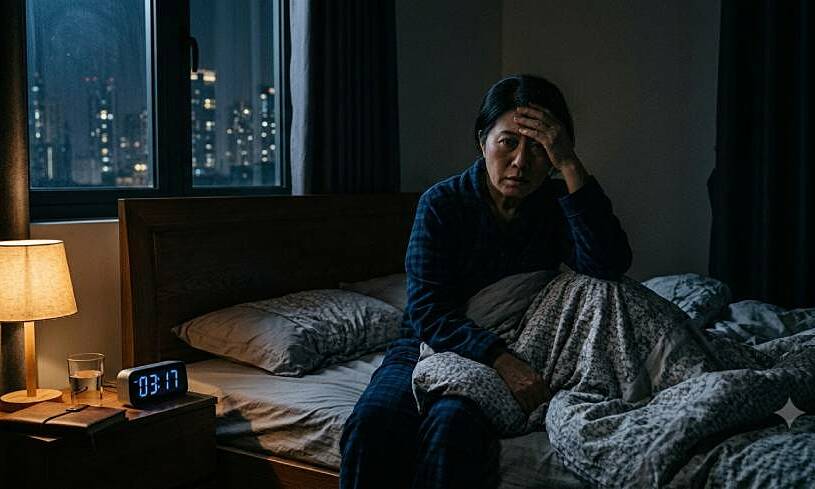
Eyes develop quickly in early life, reaching adult size in late adolescence or early 20s. Image created by AI |
Why do eyes stop growing but nearsightedness still increases?
An eyeball that grows too long relative to the focusing power of the eye's optical system can cause myopia (nearsightedness). In this condition, images focus in front of the retina instead of directly on it, causing blurred distance vision.
According to the U.S. National Eye Institute (NEI), myopia often appears between ages 6-14 and can gradually worsen until the early 20s. Therefore, eyes nearing adult size does not mean the degree of myopia is entirely stable. For some individuals, especially those with myopia, eyeball length can still change during this period.
Myopia not only causes inconvenience with distance vision but also increases the risk of certain eye diseases, including retinal detachment and glaucoma. Children with rapidly increasing myopia should have regular eye exams to monitor their condition and consider appropriate methods for controlling myopia progression.
After age 40, eyes continue to change in different ways.
Once the eyeball reaches its maximum adult size, the eyes still undergo many age-related changes. One common change is presbyopia, typically noticed around age 40, when the ability to focus on near objects gradually declines. Individuals affected may need to hold books or phones further away to see text clearly.
Eyes may become drier, prone to watering, or take longer to adapt when moving from bright to dark environments. With increasing age, the risk of developing conditions such as cataracts, macular degeneration, and glaucoma also rises.
These changes do not mean the eyes continue to grow as they did in childhood. They relate to alterations in the lens, accommodative ability, ocular surface, and other structures within the eye.
Vision changes that should not be ignored.
Vision changes with age are common, but not all symptoms can be attributed to the aging process. Adults should seek eye examinations for prolonged blurred vision, frequent squinting, headaches when reading, or noticeable changes in their glasses prescription.
Specifically, the sudden appearance of numerous floaters, flashes of light, or a dark curtain obstructing vision can signal retinal detachment. This condition requires immediate examination and should not be left to improve on its own.
Bao Bao (General)
| Readers can send questions about ophthalmology here for doctors to answer. |