Dr. Nguyen Cong Uan, a Doctor of First Degree Specialist at the Liver Tumor Unit, Oncology Center, Tam Anh General Hospital Ho Chi Minh City, states that in its early stages, liver cancer often presents no symptoms or very vague ones, making it easily mistaken for common ailments. This is because the liver has a unique structure that allows it to maintain bodily functions even with significant damage. Liver tissues lack pain receptors, so tumors typically do not cause pain when they first appear. Clear symptoms only emerge when the tumor grows large, compressing bile ducts or invading major blood vessels.
The doctor highlights several early signs of liver cancer that warrant attention.
**Mild pain in the right upper abdomen**
Patients often experience a dull, heavy ache in the area below the right rib cage. This condition may arise from a tumor located near the liver's surface or from slight liver swelling, which puts pressure on Glisson's capsule (the membrane surrounding the liver that contains pain receptors). This symptom is often misdiagnosed as muscle pain, digestive disorders, or benign gallbladder disease.
 |
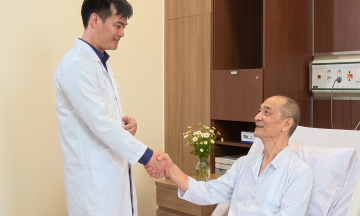
Dr. Uan consults with a patient. *Illustration: Tam Anh General Hospital* |
**Prolonged digestive issues**
The liver produces bile to digest fats and metabolizes carbohydrates and proteins. Damaged liver cells impair these functions, leading to symptoms like loss of appetite, feeling full quickly, bloating after meals, and changes in bowel habits without an apparent cause.
**Unexplained weight loss**
Malignant cells consume significant nutrients, competing with healthy cells for growth, which causes rapid weight loss and body depletion in patients as the tumor increases in size. Concurrently, the immune system releases cytokines in response to malignant cells, reducing appetite and altering basal metabolism.
**Unexplained fatigue**
Fatigue caused by cancer, including liver cancer, differs from physical exhaustion. This is a profound fatigue that does not improve with rest.
If not detected and treated promptly, patients will experience worsening of the above symptoms, along with additional signs such as ascites, itchy skin, jaundice, dark urine, and pale stools.
Dr. Uan advises everyone to undergo regular health check-ups for early detection of abnormalities. Individuals experiencing these signs should visit a hospital for diagnosis and appropriate treatment by an oncologist or gastroenterologist.
Individuals with hepatitis B, C, D, and chronic liver diseases such as cirrhosis, hepatitis, or fatty liver should adhere to their treatment plans, attend regular follow-up appointments as prescribed by their doctor, and monitor their condition closely to manage the disease effectively. This approach helps liver cells remain healthy longer, reducing the risk of severe cirrhosis complications and liver cancer.
Nguyen Tram
| Readers can submit questions about cancer here for the doctor to answer. |