Systemic lupus erythematosus (SLE) is a chronic autoimmune disease that can affect multiple organs, including the skin, joints, blood vessels, kidneys, and nervous system. While colder weather does not cause lupus, it is an environmental factor that can make symptoms more pronounced, especially joint pain and fatigue.
In healthy individuals, a drop in temperature automatically constricts peripheral blood vessels to limit heat loss. For those with lupus, this response is more intense due to sensitive blood vessels and an overactive immune system. The temporary reduction in blood flow to the skin, muscles, and joints can lead to increased joint stiffness, aches, and difficulty moving, particularly in the morning or after prolonged inactivity.
Beyond temperature, changes in atmospheric pressure during seasonal transitions can make tissues around the joints more sensitive. This increases pain perception even when inflammation levels remain relatively stable. Additionally, low temperatures heighten the sensitivity of pain receptors, causing many patients to experience more noticeable pain on cold days.
In addition to joint pain, lupus patients are susceptible to blood vessel issues in cold weather. Approximately 25-60% of patients experience Raynaud's phenomenon. This condition involves the constriction of blood vessels in the fingertips and toes when exposed to cold temperatures or stress. The affected digits turn from white to purple, then become reddish-pink as blood flow returns. Patients often report numbness, throbbing, or pain in these extremities.
Some individuals may also develop chilblain lupus, characterized by reddish-purple papules or plaques on the fingertips, toes, nose, or earlobes after exposure to cold and damp environments. These lesions can persist for several weeks, causing pain, itching, or a burning sensation if not properly treated.
 |
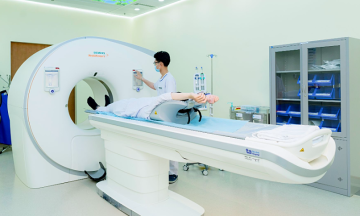
Doctor Tan advises a patient. Illustration: Tam Anh General Hospital |
Approximately 25% of lupus patients have cryoglobulins – temperature-sensitive proteins. When exposed to cold, these proteins can precipitate within blood vessels, increasing the risk of small vessel vasculitis, purpura, or skin ulcers in certain cases.
Fatigue in cold weather is also a common issue for lupus patients. This is not only due to joint pain that discourages physical activity but also relates to chronic inflammation caused by an abnormally active immune system. When temperatures drop, the body expends more energy to maintain core body temperature. Meanwhile, patients often experience poor sleep due to aches, inactivity, and sometimes anemia or medication side effects. The combination of these factors makes feelings of lethargy and exhaustion more pronounced.
If symptoms only mildly increase with weather changes and improve after warming up or resting, there is no need for excessive worry. However, if you experience severe joint pain, widespread joint swelling, persistent fever, new rashes, shortness of breath, leg swelling, or other unusual signs, you should visit a hospital. A doctor can then assess disease activity and adjust treatment as necessary.
To mitigate these symptoms, individuals with lupus should keep their bodies warm, especially their hands and feet, by using gloves, socks, or multiple layers of thin clothing. Maintaining gentle physical activity, such as walking, stretching, or daily joint exercises, also helps improve circulation, reduce joint stiffness, and limit muscle weakness caused by inactivity.
Consider warm compresses or soaking hands and feet in warm water to alleviate pain and improve blood circulation. Furthermore, continue to take prescribed medications as directed, attend regular check-ups, and do not arbitrarily reduce or stop medication if symptoms change with the weather.
Doctor Nguyen Phuc Tan
Department of Clinical Immunology
Tam Anh General Hospital, TP HCM